Last updated November 21, 2026
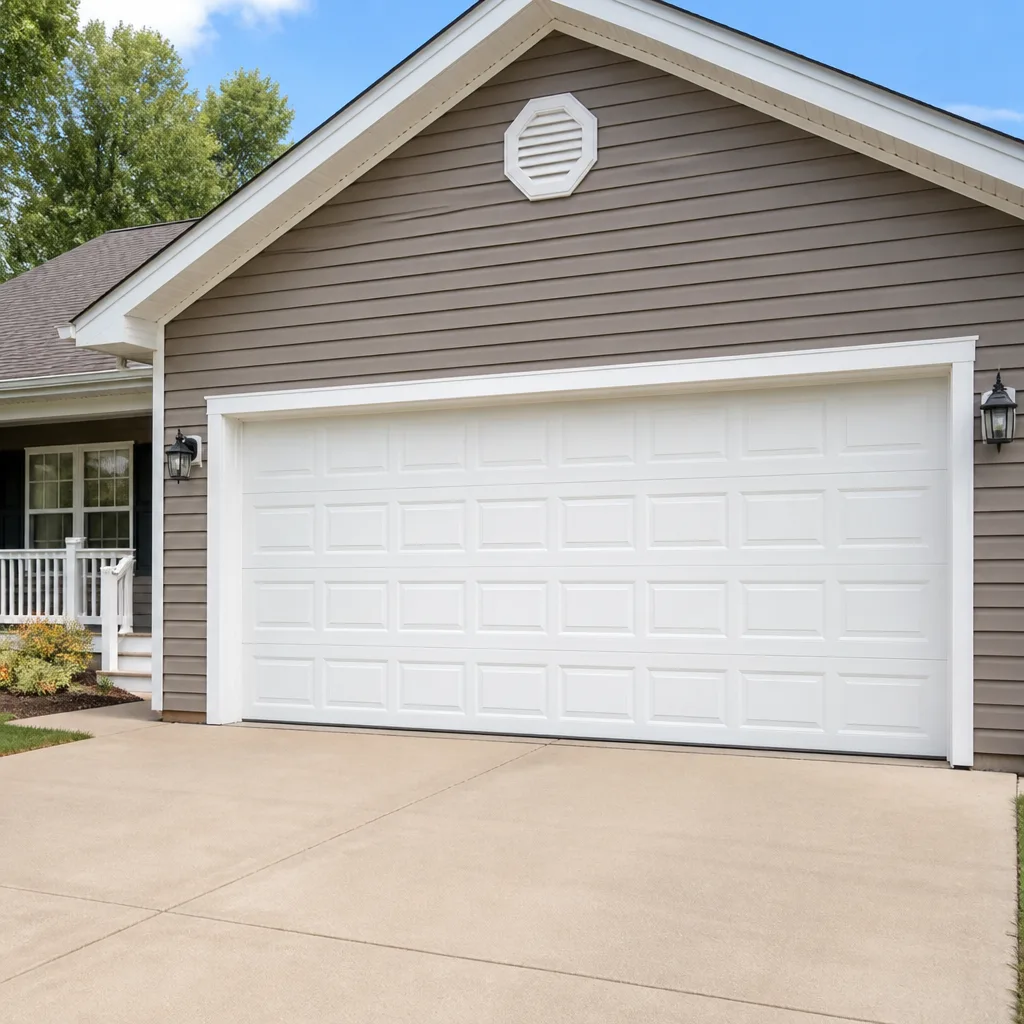 Raised-panel steel
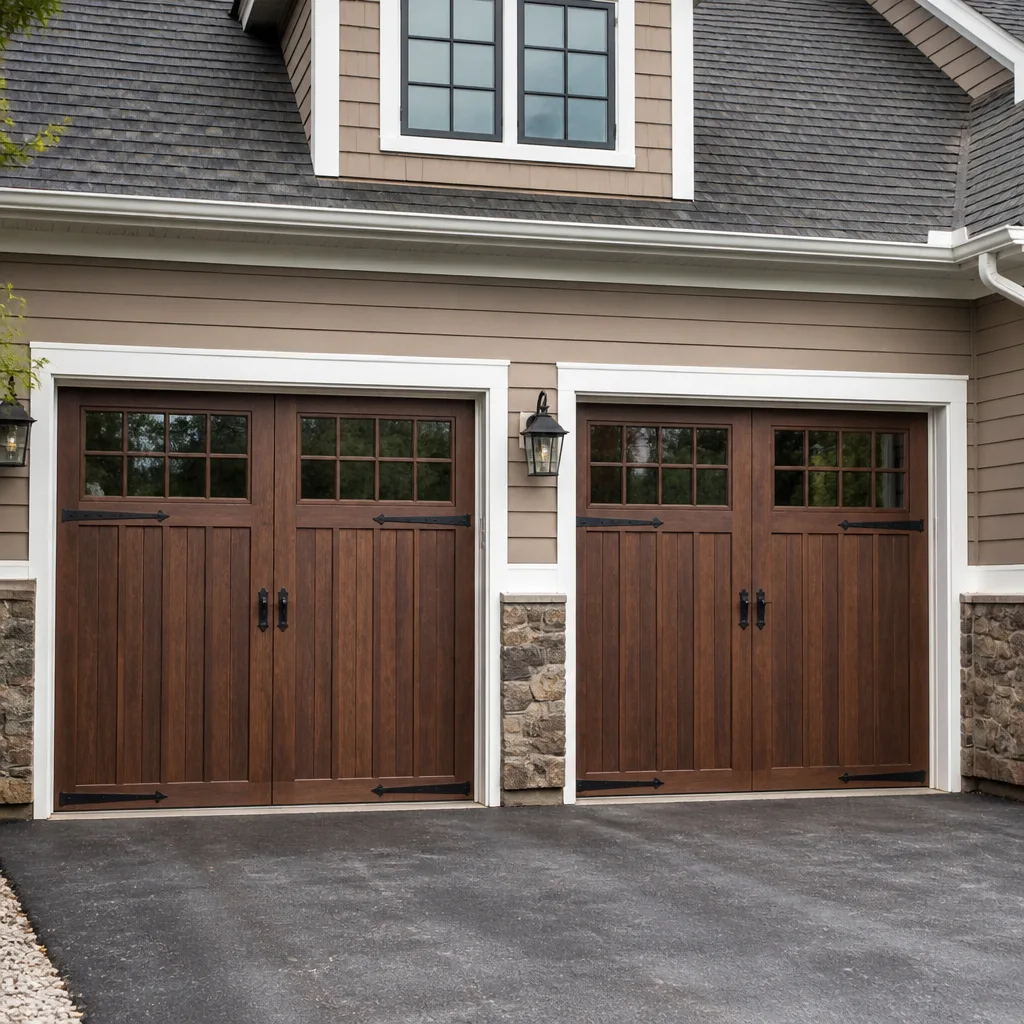 Carriage house
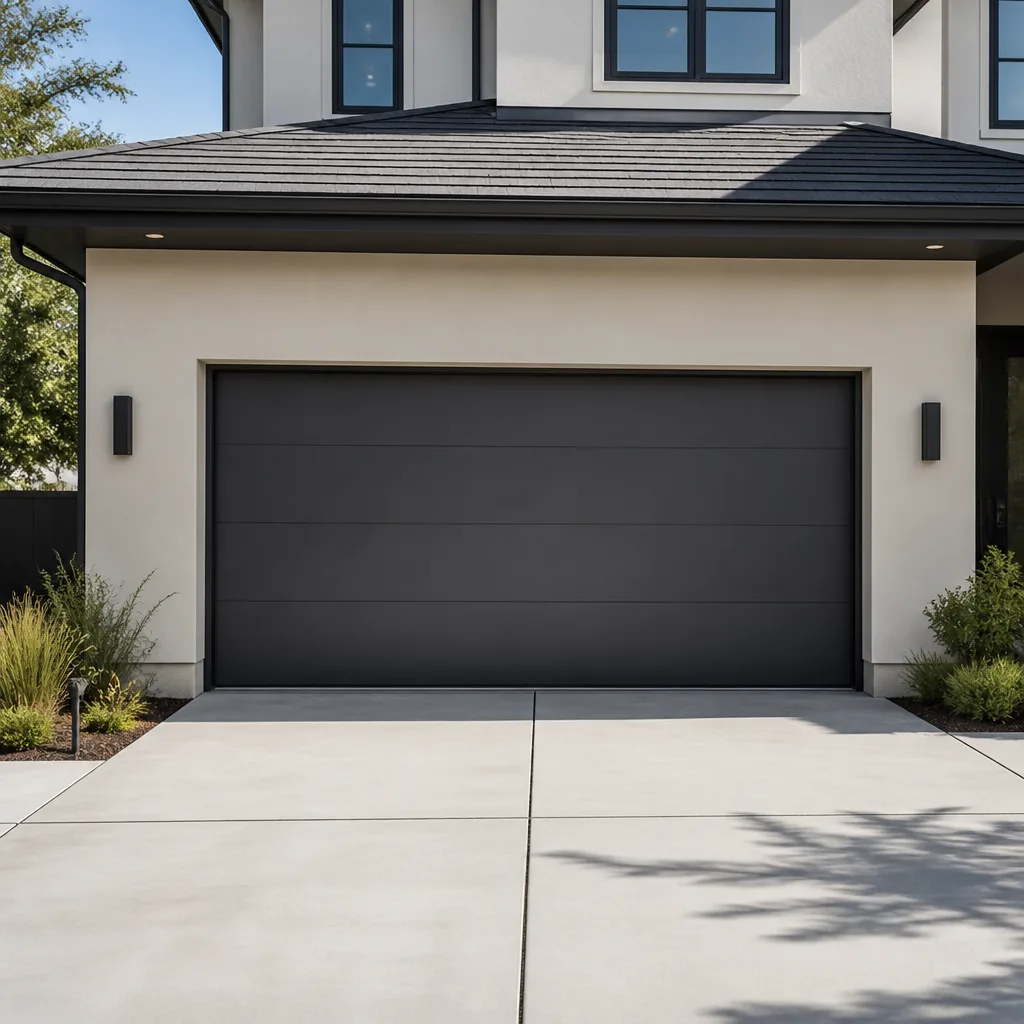 Modern flush
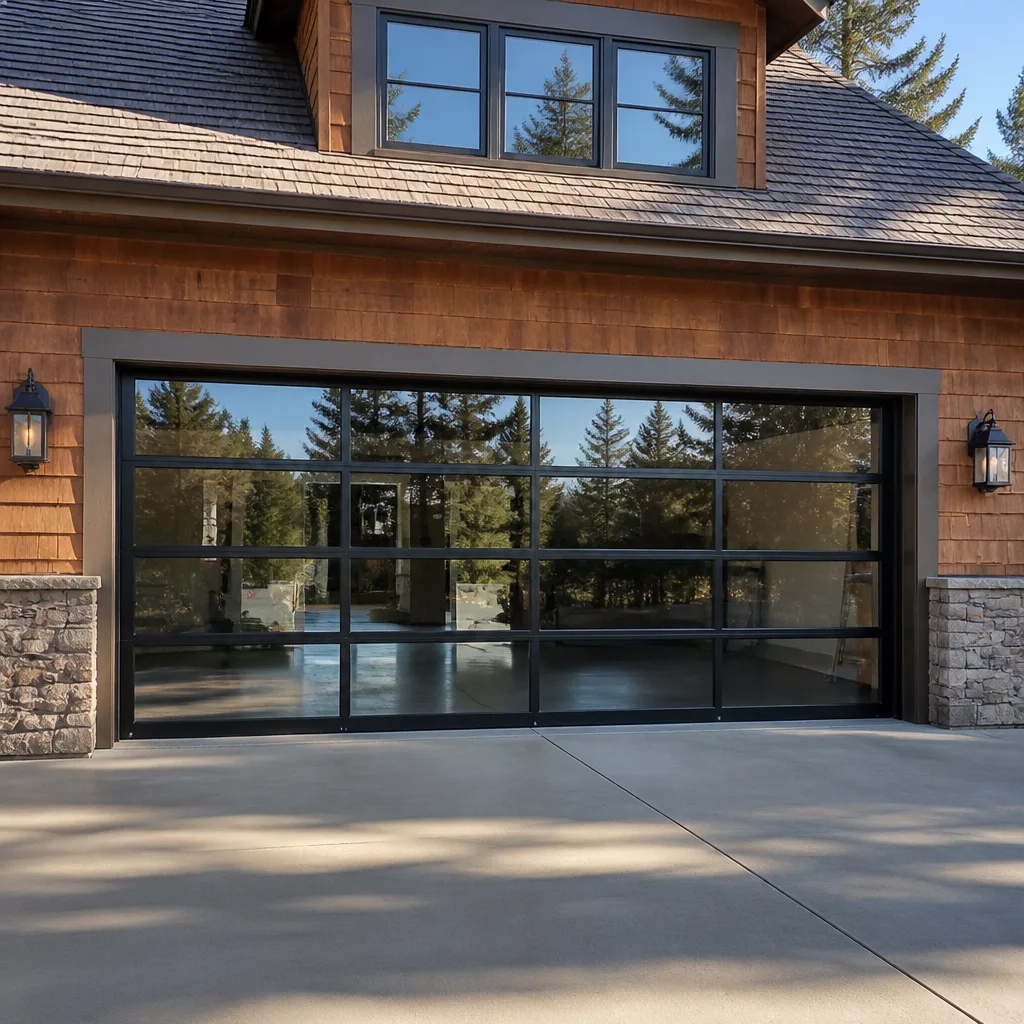 Full-view glass
 LiftMaster openers
 Chamberlain openers
Full 25-point door and opener safety check with every visit - springs, cables, rollers, tracks, and your LiftMaster or Chamberlain opener included
You get a price before we start. It does not change when the pro arrives.
Get your free estimateHow to Hire a Garage Door Contractor in Capitol Hill: A Step-by-Step Guide
Search “garage door repair near me” in Capitol Hill and you’ll get a page of results that looks reassuringly local. Look closer. Several of the outfits ranking highest have no DC presence at all. They’re lead aggregators: a call center answers, takes your address and card details, then auctions the job to whichever subcontractor will accept the lowest payout. That model produces low opening quotes and unpredictable workmanship, and it’s why the single most useful skill for a Capitol Hill homeowner is knowing how to vet a contractor. This guide gives you the questions, the license checks, and the red flags that separate a real technician from a relay.
Quick Answer
To hire a garage door contractor in Capitol Hill, verify DC contractor registration before booking, ask five specific technical questions about your door type and its springs, refuse all verbal-only quotes, and get a written estimate that itemizes parts and labor. A legitimate contractor will describe alley access, headroom clearance, and historic district review for a visible door replacement without being prompted. If a contractor can’t answer those three local logistics questions, don’t book the job.
Styles & brands we work with
- Raised-panel steel
- Carriage house
- Modern flush
- Full-view glass
- LiftMaster openers
- Chamberlain openers
Table of Contents
- Why the Capitol Hill Garage Door Market Is Hard to Read
- How Do You Verify a Contractor’s License in DC?
- The Five Technical Questions That Expose a Call Center
- How Parts Markup Works, and How to Spot It
- What a Legitimate Written Estimate Includes
- Capitol Hill Logistics: Alleys, Headroom, and Historic Doors
- Red Flags Specific to Capitol Hill
- Why Spring Work Deserves Extra Scrutiny
Why the Capitol Hill Garage Door Market Is Hard to Read
Capitol Hill’s housing stock makes garage door work more varied than in most of DC. You have narrow carriage houses off brick alleys, rowhouses with converted rear garages, and newer infill construction where the garage door is a tight fit into a low clearance opening. Each of those situations needs a different approach to access, anchoring, and door selection. A contractor who works mostly in suburban subdivisions with wide driveways is going to be improvising when they pull into a Capitol Hill alley.
That variance is exactly what the dispatch-and-subcontract tier exploits. A call center doesn’t need to understand your door. It needs to get a price agreed on the phone and hand the job to whoever is available. The sub arrives with generic parts, and the quote you agreed to starts drifting.
What actually differentiates a real local operation comes down to a handful of things you can verify before anyone shows up:
- They can name the brand of your door or opener and describe how that brand’s components fail. Familiarity with LiftMaster logic boards or Chamberlain belt drives isn’t a sales pitch; it’s how diagnosis works.
- They ask about your door before quoting. Spring type, door weight, headroom, and track condition all change the job and the price.
- They give you a written estimate with parts and labor itemized separately.
- They know what alley access means in practice on Capitol Hill, and they raise historic district review without being asked when the door is visible from the street.
None of these are exotic requirements. They’re just things a relay can’t fake, which is why they work as a filter.
How Do You Verify a Contractor’s License in DC?
Contractors working in the District need to be registered as a home improvement contractor, and a legitimate business should be able to tell you their registration and license status without hesitation. The practical check is straightforward. Ask for the business name, ask for the registration, and look it up yourself. Don’t rely on a license number printed on a flyer that a subcontracted crew hands you at the door, because those don’t always match the business that took your payment.
Here’s what that registration actually means for garage door work, which is where homeowners get confused. It doesn’t certify a contractor as a garage door specialist. There is no separate garage door license class in the way there is for electricians. What the registration tells you is that the business is on record with the District, has identified who is responsible for the work, and has the basic business standing to be held accountable if something goes wrong. That’s the accountability layer. The specialty layer is on you to verify, and you do it by asking technical questions.
- Ask the person on the phone for the registered business name, not just the brand name on the truck.
- Check that the registration is current and matches the entity that will appear on your invoice.
- Confirm the business carries insurance, and ask for a certificate to be sent before work begins.
- Make sure the estimate and the invoice both carry that exact business name.
If the name on the estimate differs from the name on your card statement, or if the contractor deflects when you ask about insurance, stop. A business that can’t produce that paperwork before a job is one you’ll have trouble finding after one.
Our technicians have up to 8 years of experience, and every local pro we connect you with is licensed and insured as their state requires. Ask, and it’s confirmed in writing.
The Five Technical Questions That Expose a Call Center
This is the heart of the guide. Ask these five questions before you book, and listen to how the answer is phrased. A technician answers from experience. A call center reads from a script, and scripts go vague fast.
- “What kind of spring system does my door use, and how would you confirm it?” A technician will ask you about the door’s weight, describe how to look at the springs safely without touching them (you can look; you should never adjust), and tell you whether torsion or extension applies. A vague answer like “we’ll see when we get there” is fine for the final quote but should come after they’ve asked you anything at all about the door.
- “What’s the headroom above my door?” This is the giveaway. Headroom clearance determines what kind of door and track assembly will actually fit. A contractor who quotes a replacement without asking about headroom is quoting a number, not a job.
- “How do you handle alley access?” In Capitol Hill, this question matters more than in most places. A real local contractor will talk about vehicle access, where the truck and ladder will sit, and whether the job is workable in a narrow lane. A call center won’t know what you’re asking.
- “Which brands do you work on, and how do you diagnose opener problems?” If they claim everything, push for specifics. Familiarity with LiftMaster, Chamberlain, Genie, and Craftsman covers most of what’s on Capitol Hill doors, but the answer should include how they troubleshoot a logic board or a travel limit, not a list of names.
- “Will the price on the invoice match the estimate, and what could change it?” A straight answer names the specific conditions that could alter the number: a bent track, a stripped gear, rusted hardware. A vague promise usually means the number will move once the door is open.
The fifth question is the one that surfaces the bait-and-switch pattern. Ask it twice if the answer feels slippery, once for the base job and once for the worst case. If they can’t tell you what the worst case looks like, they haven’t thought about your door.
For more on the specific work involved, our garage door repair page covers the common failure points in detail.
How Parts Markup Works, and How to Spot It
Every service business marks up parts. That’s normal and it’s how a contractor stays in business. A reasonable markup on a standard torsion spring or opener part goes toward the cost of carrying inventory, driving to you, and the labor of diagnosing the problem correctly. What you’re watching for is the extreme version: an invoice that buries a markup many times over the part’s real cost, made possible because you don’t know what that part costs.
The tell is almost always in how the invoice is structured. When springs, cables, rollers, and labor are bundled into one opaque number, the markup is invisible. When a technician presents a line for “torsion spring assembly” at a price that would buy five springs, you’ve found it.
A realistic Capitol Hill estimate breaks down roughly like this:
- Torsion spring (one spring): a typical range, and matched pairs are usually replaced together, so a pair costs about twice that.
- Extension spring: similar ballpark to a single torsion spring, though the labor differs.
- Cables and drums: itemized separately when they’re replaced with the springs.
- Labor: shown as its own line, not quietly folded into parts.
- Opener logic board or gear: priced per unit, with the brand named.
We don’t publish flat prices because the job varies, but we do quote one: the price is agreed before any work starts, and the written estimate sets the final price. Ask for the parts lines separately on any estimate you receive. A contractor who won’t separate parts from labor is protecting a margin, not your budget.
If the opener is the failing component rather than the door, our garage door opener repair page explains how diagnosis works across brands.
What a Legitimate Written Estimate Includes
A written estimate is your insurance against bait-and-switch pricing. A verbal quote is not the same thing, even when it’s specific and even when you repeat it back. To enforce a number, it has to be written down, and it has to contain enough detail that both parties are agreeing to the same job.
Look for these elements on any estimate you get in Capitol Hill:
- The registered business name and a way to reach it, on the document itself.
- A description of the work that names the parts and their type.
- Parts and labor split into separate lines, so you can see what you’re paying for each.
- Brand names where they apply: a Raynor panel replacement or a Craftsman logic board, not “opener part.”
- Any conditions that could change the price, stated up front.
- The total, clear enough that you can approve it before work begins.
The reason this matters is that the most common complaint isn’t a bad repair. It’s a price that jumped between the phone call and the invoice. Bait-and-switch works because the customer never had a document to point at. Get one, keep it, and if the work scope changes once the door is open, get the change approved in writing before the technician continues.
None of this is adversarial. A genuine contractor wants the same thing you do: a clear scope so the job finishes without an argument. When we connect you with a local pro, we make sure that written estimate is in place before anyone touches the door.
Capitol Hill Logistics: Alleys, Headroom, and Historic Doors
Three local factors separate a competent Capitol Hill job from a messy one, and you can use all three as interview questions.
Alley access. A lot of Capitol Hill garages open onto narrow service alleys, and vehicle access to those lanes is limited. A contractor who doesn’t ask how the truck will approach, where it can park, and how far the equipment has to be carried from the street is going to be improvising once they’re on site. Ask them about it directly. The answer tells you how often they’ve actually worked here.
Headroom clearance. Standard door assemblies need a specific amount of clearance above the opening. In converted garages and older carriage houses, that clearance is often less than it looks. A contractor who quotes a new door or opener without measuring the headroom is quoting in the dark, and the number will change once they see it. If they ask before quoting, they’ve done this before.
Historic district review. If the door is visible from a public street and the property is within a historic district, replacement involves design review before a permit is issued. Not every Capitol Hill property falls into that category, and the rules depend on where the building sits. What matters for hiring is that the contractor raises the question at all. A contractor who never mentions it may be planning to install the door and let you figure out the consequences later. Instead, ask them plainly: “Would this door need historic review, and how do you check?” Then confirm with DC’s historic preservation office before you order a door.
These three questions carry more weight than any marketing claim. They’re also the questions a dispatch operation can’t answer, because they’re specific to the property.
Red Flags Specific to Capitol Hill
Some warning signs show up everywhere. These are the ones we’ve seen most often in the Capitol Hill market specifically, and each one points to a contractor who won’t handle a local job cleanly.
- They can’t describe alley access logistics. A contractor who’s never worked a Capitol Hill alley will ask you what you mean. A real one starts asking about access before quoting.
- They quote without asking about headroom. If the number comes before the question about clearance, the number is fiction.
- They say nothing about historic district review. A visible door replacement in a historic district has a process. Silence is a red flag, not a shortcut.
- The address on the estimate doesn’t match the business name on the phone. Mismatched names between the upfront call and the paperwork is the clearest sign you’ve moved from a contractor to a subcontractor.
- They push to book before you’ve asked any questions. Urgency is a sales tactic, not a service. A real contractor is willing to answer the technical questions before you commit.
- They claim all brands without naming any. If they can’t name what they work on, they probably don’t know. Our own technicians are familiar with LiftMaster, Chamberlain, Genie, Craftsman, Clopay, Amarr, Wayne Dalton, and Raynor, and we name them because the diagnosis actually depends on the brand.
- They’ll only quote on the phone. Anything short of a written estimate leaves you exposed. A legitimate contractor will put the scope and the number on paper.
One red flag is a reason to ask more questions. Two or more, in the first phone call, is a reason to call someone else.
Why Spring Work Deserves Extra Scrutiny
Springs are the highest-tension component in the whole door system, and they’re the failure point that matters most for safety. A torsion or extension spring stores enough force to cause serious injury, which is why a contractor’s approach to spring work tells you more about their real training than any other part of the conversation. Any question about springs should be answered with care, not confidence.
When you’re interviewing a contractor about a spring problem, the answers to watch for are the ones that confirm they understand the risks:
- They ask whether you’ve heard or seen anything unusual near the door, and they tell you not to touch, adjust, or attempt to operate a door with a broken spring. A door under tension that’s been cut loose is dangerous to open.
- They explain that a matched pair of springs is usually replaced together, not one at a time. Replacing a single spring on a paired system leaves the two at different tension and tends to fail early.
- They describe how the springs will be sized to your door’s weight, not just swapped for whatever’s in the truck.
- They identify the spring type, torsion or extension, before quoting.
We don’t recommend DIY on springs, and any contractor who suggests a homeowner could handle it doesn’t understand the force involved. Leave it to a trained technician. A broken spring is one of the most common emergencies we connect homeowners with, and getting it handled safely means the same thing: a real pro, on site, with the right tools and an agreed price before the work begins.
For installation and replacement work, our garage door installation page shows how a measured job should go. When a door needs full replacement rather than repair, we can connect you with a local pro who measures, orders, and schedules the installation, with a free measure and a written price before anything is ordered.
Common Mistakes to Avoid
- Booking from a “near me” search without checking for a DC address. Several top results in Capitol Hill are lead aggregators with no local presence. Verify registration before you book.
- Accepting a verbal quote. Even a specific number on the phone isn’t enforceable. Get it in writing with parts and labor separated, or you’ve agreed to nothing.
- Not asking about headroom before approving a replacement. A number quoted before they’ve seen or asked about clearance is a placeholder, and it will move.
- Assuming every contractor knows historic district rules. Visible door replacements in a historic district typically need design review. Ask, then confirm with the city’s historic preservation office yourself.
- Forgetting to ask about alley access in a Capitol Hill rowhouse. A contractor who hasn’t planned the access will be improvising on arrival.
- Treating springs like a standard part swap. Torsion and extension spring work is high-tension and requires specific tools. Any contractor who shrugs it off is telling you something about their training.
- Paying a deposit without a written scope. A deposit without an itemized estimate leaves you with no way to prove what you bought.
See the difference
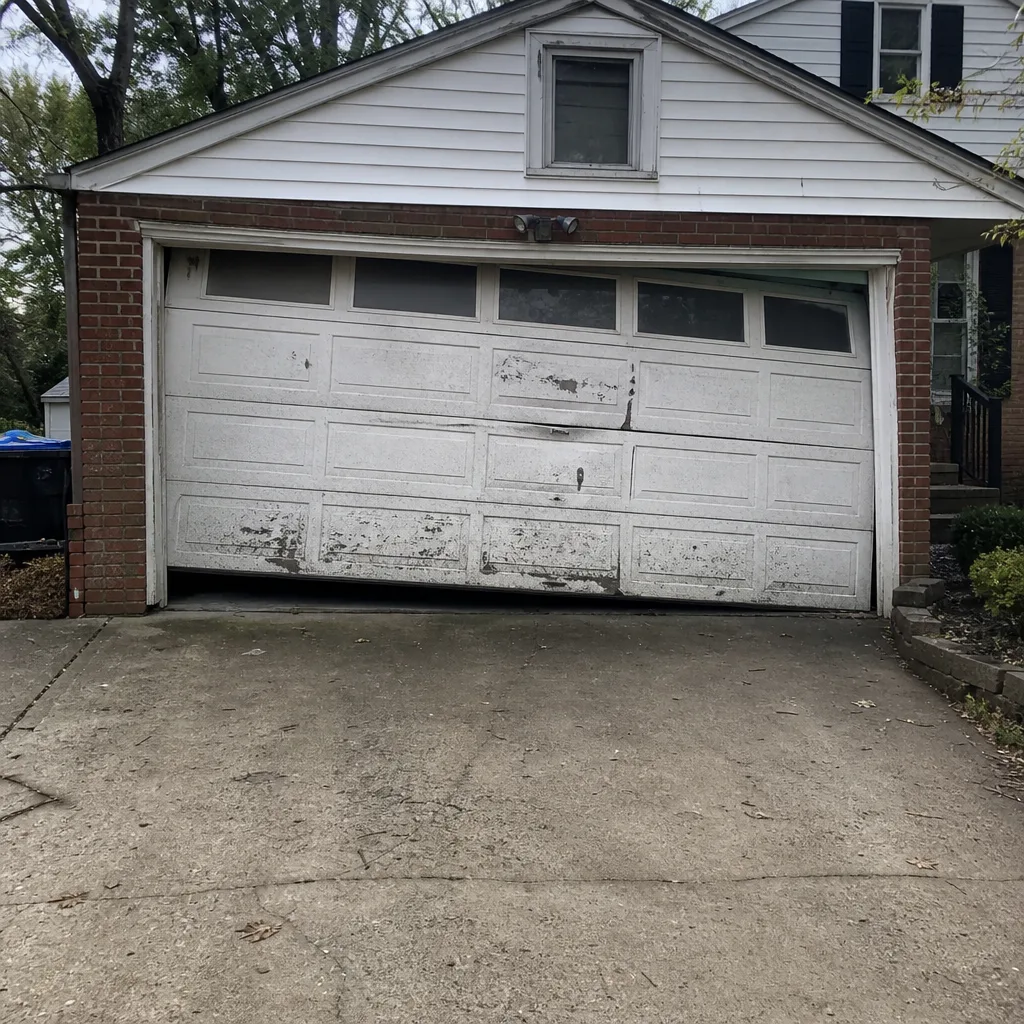 Before
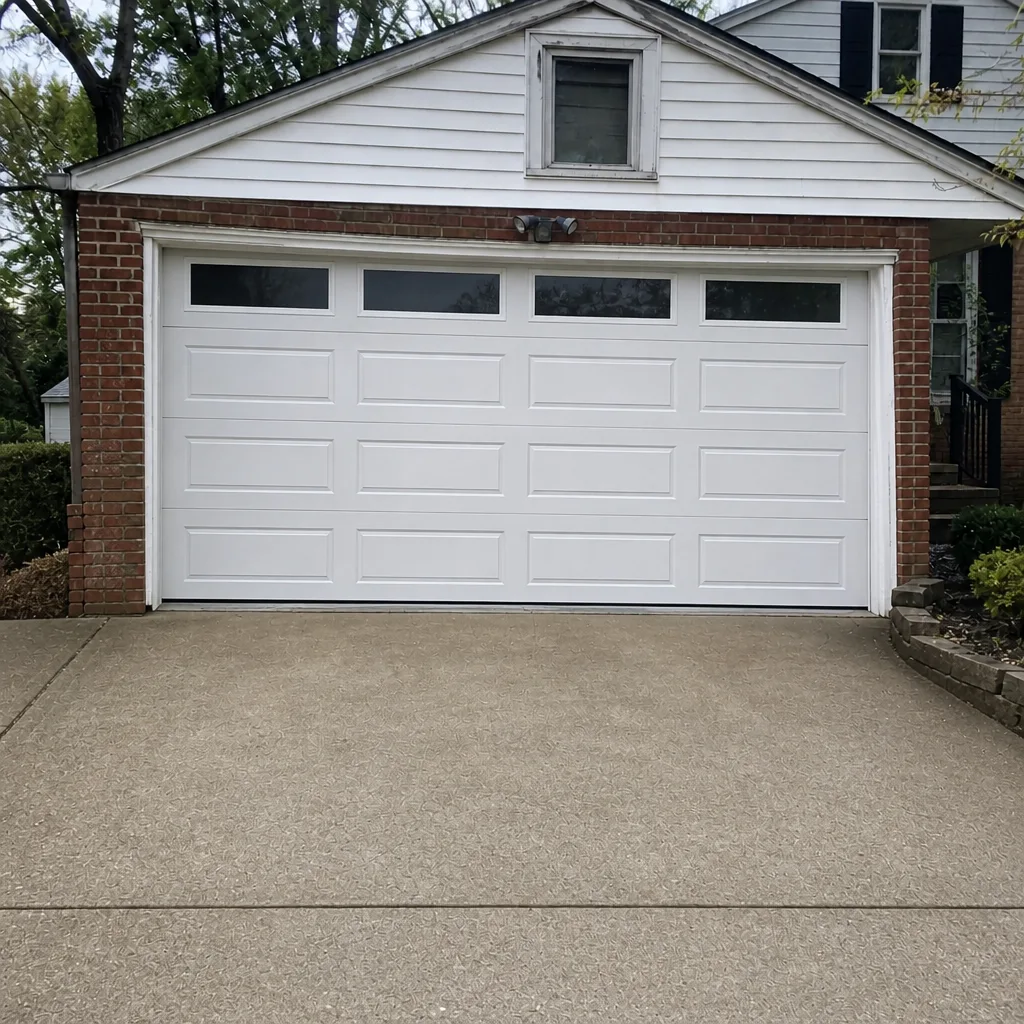 After
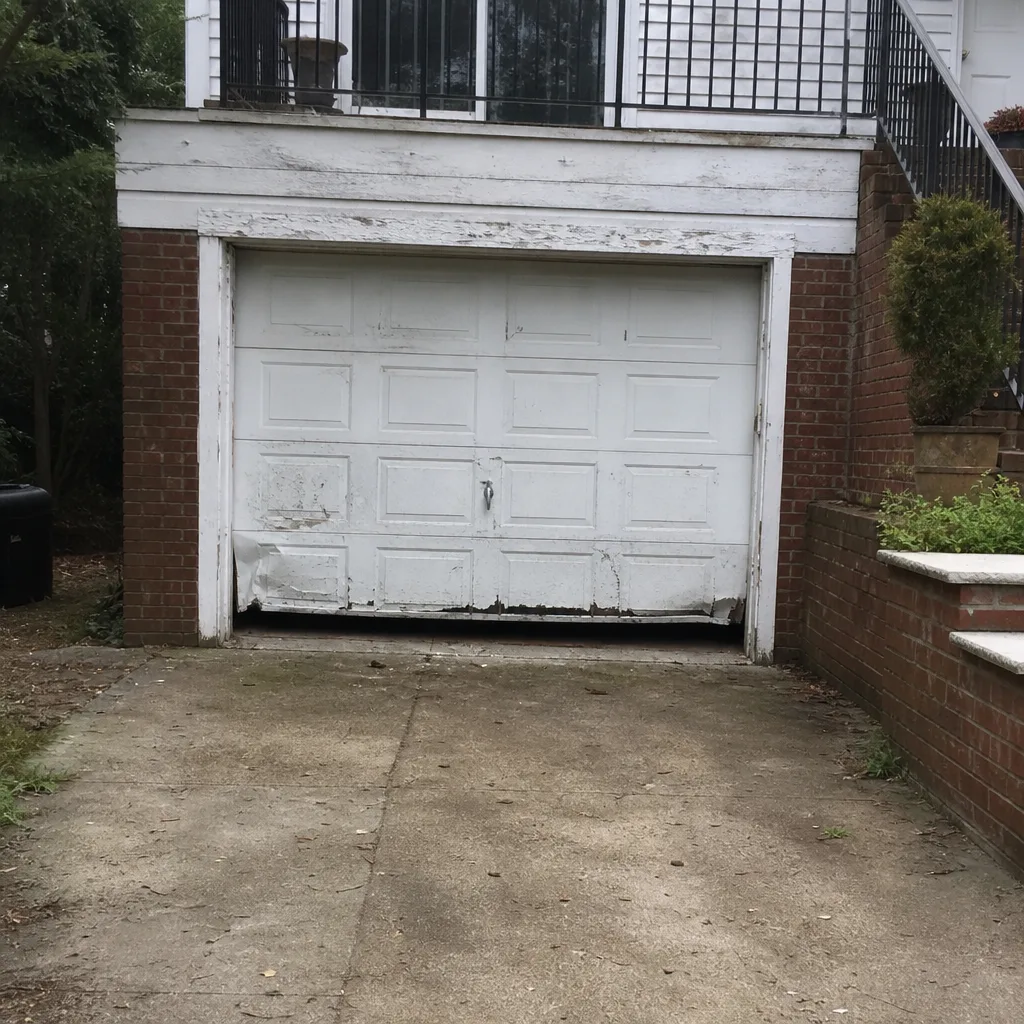 Before
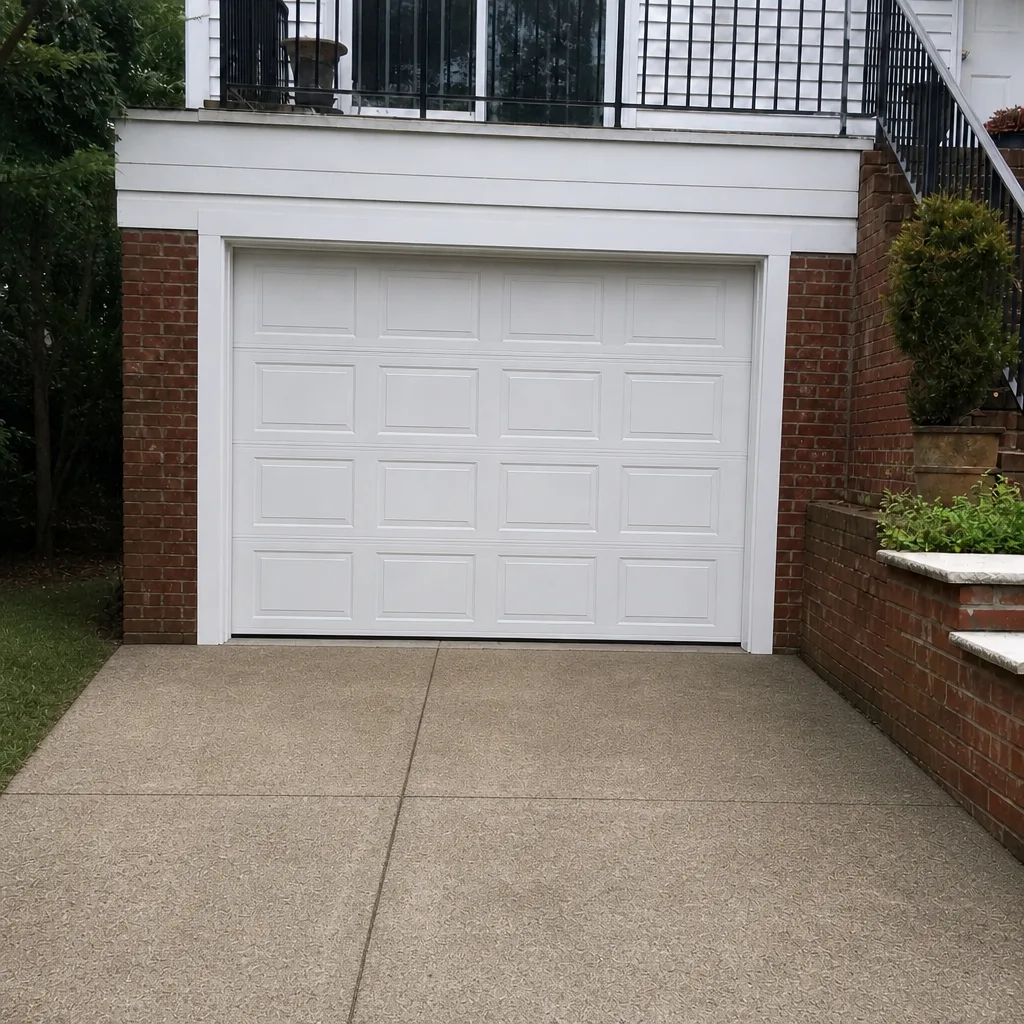 After
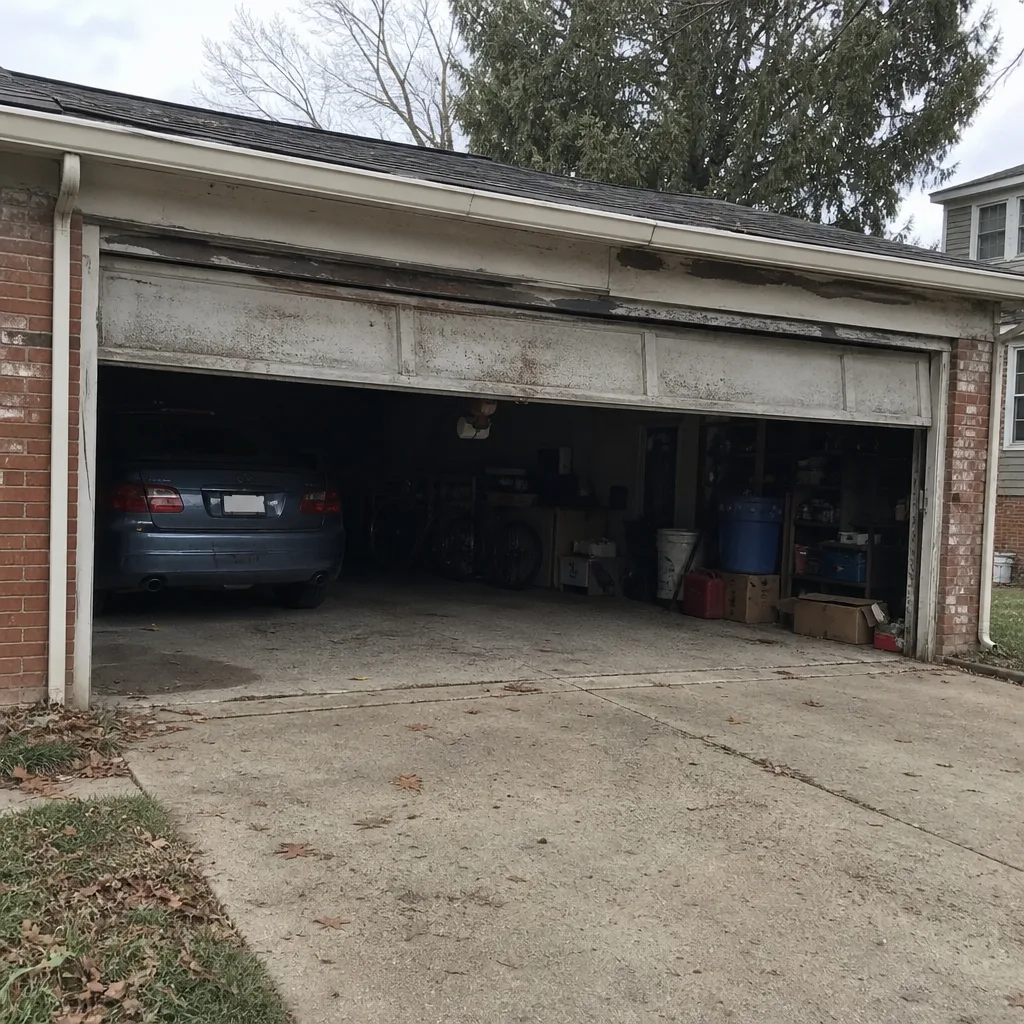 Before
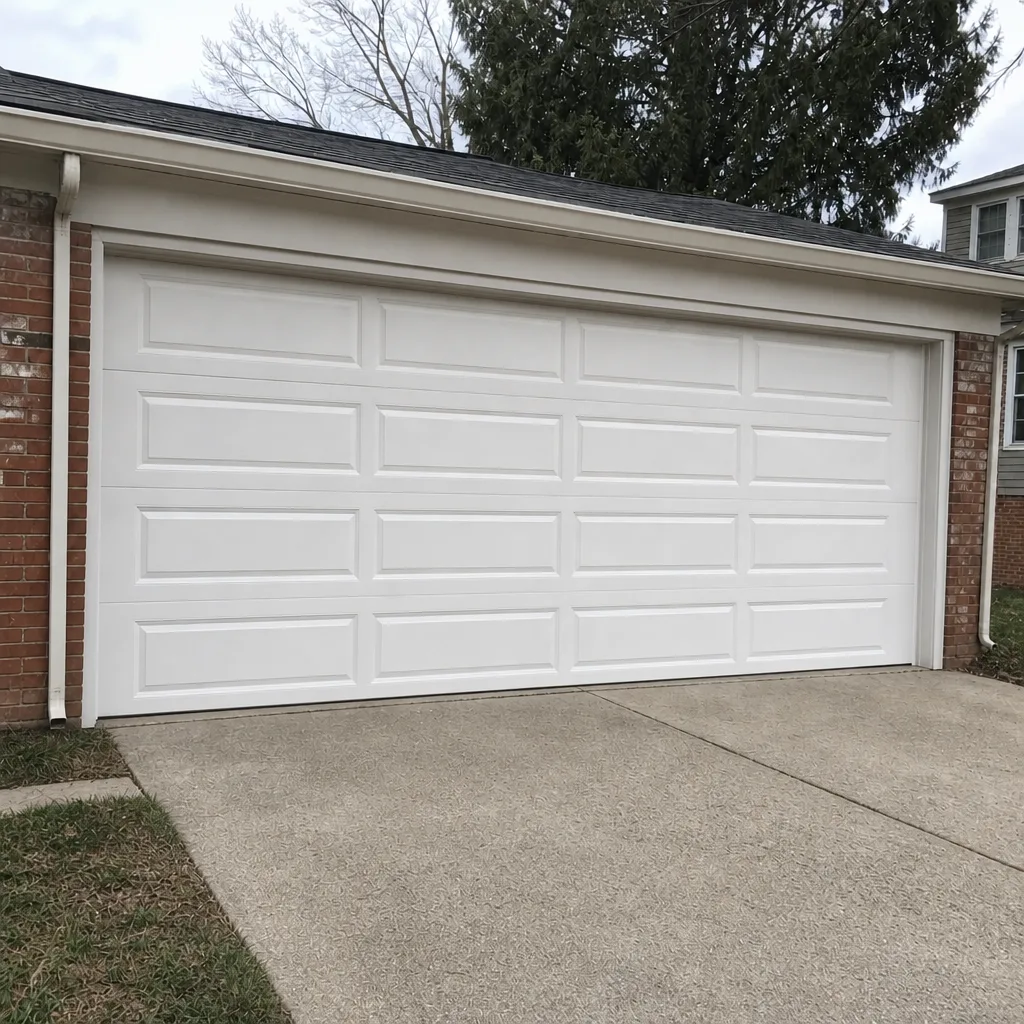 After
When to Call a Professional
A few situations in Capitol Hill call for a real contractor rather than a phone consult. A door that won’t close, or that has dropped on one side, is a security problem and usually means a cable or spring has failed. Any broken spring is a call today, because the door is under uncontrolled tension and shouldn’t be operated. An opener that runs but won’t lift the door, or one that reverses on contact, is a safety issue rather than an inconvenience. And any door that has come off its track, or that’s leaning, needs a technician on site before it’s moved again.
Garage Door Repair Capitol Hill offers free estimates in Capitol Hill. Emergency garage door repair is available when a stuck door isn’t a tomorrow problem. Call (855) 604-5978 and we’ll connect you with a local pro who knows your brand.
Frequently Asked Questions
Ask three questions: what’s the headroom above the door, how will the truck access the alley, and whether the door would need historic district review. A contractor with genuine Capitol Hill experience answers all three without hesitation. A dispatch operation will go vague or transfer you.
A written estimate should include the registered business name, an itemized scope of work with parts and labor on separate lines, the brand names of the parts involved, any conditions that could change the price, and a clear total. Approve it in writing before work begins. If a contractor will only quote verbally, that’s not an estimate and you have nothing to hold them to.
Expect a spring replacement to be quoted per spring, and be aware that matched pairs are usually replaced together, which roughly doubles the number. The written estimate sets the final price and should be agreed before the work starts. Call (855) 604-5978 and we’ll connect you with a local pro who can give you a free written estimate for your specific door.
They can give you a ballpark, but any honest one will want to confirm the spring type and door weight before committing to a number. A quote given without asking about the door is a placeholder. The written estimate, after they’ve seen it or asked the right questions, is the one that holds.
If the door is visible from a public street and your property sits within a historic district, replacement typically involves design review before a permit is issued. Not every Capitol Hill property falls into this category. Ask the contractor, and confirm with DC’s historic preservation office before a door is ordered.
The local pro we connect you with is licensed and insured as their state requires, and will confirm both in writing before work begins. Our technicians have up to 8 years of experience. Call (855) 604-5978 for an exact quote on your door, springs, or opener; estimates are free.
The Bottom Line
The Capitol Hill garage door market rewards the questions you ask before you book, not the number you’re quoted on the phone. Verify DC contractor registration and insurance. Ask the five technical questions and listen for specifics. Demand a written estimate with parts and labor separated. Ask about alley access, headroom, and historic review before you approve any replacement. Springs are the highest-tension part of the system, so treat spring work with the caution it deserves. A contractor who answers all of that clearly is a technician. One who can’t is a relay, and the difference shows up on the invoice.
Capitol Hill homeowners and residential property managers can reach us at (855) 604-5978 for a free estimate. One call covers the full system: door, springs, opener, and hardware. Whether it’s an emergency or a scheduled installation, we connect you with a local pro who already knows your brand.
Written by the team at Garage Door Repair Capitol Hill.