Last updated November 21, 2026
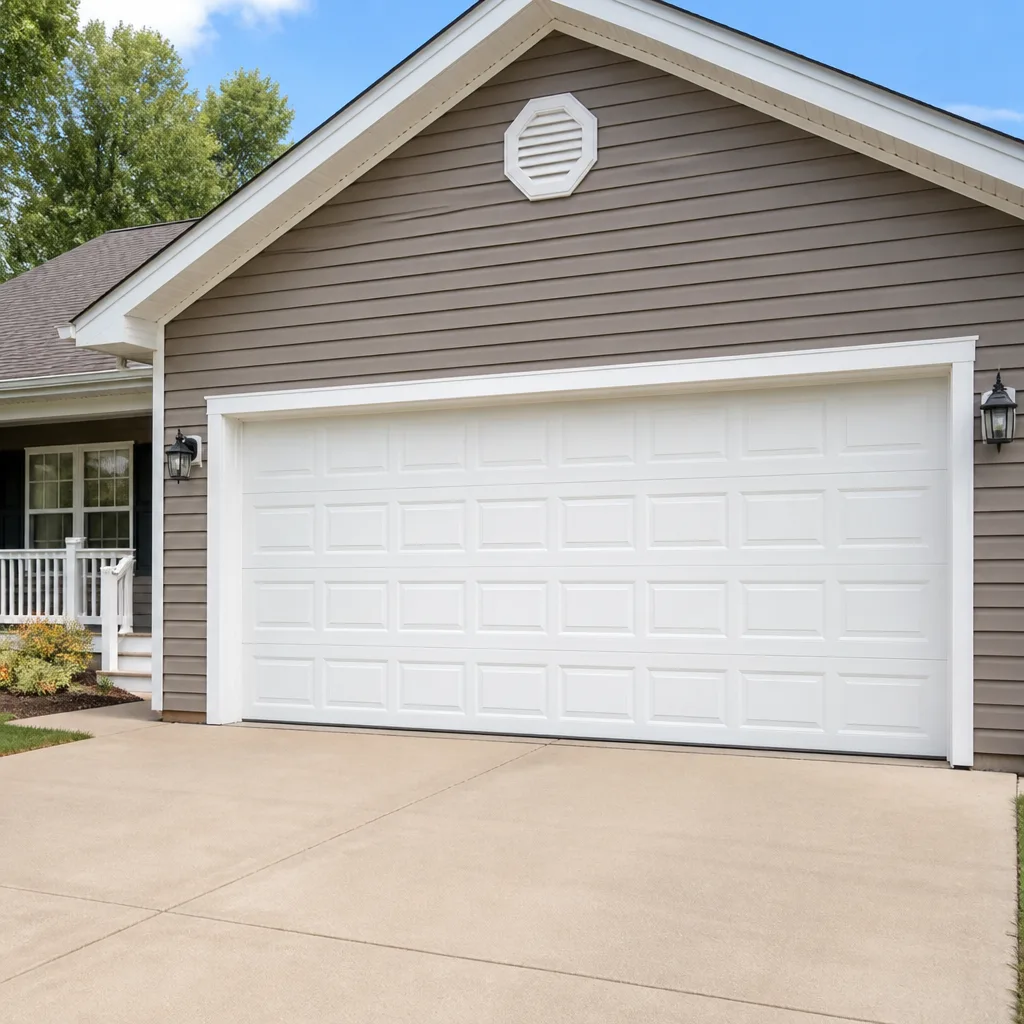 Raised-panel steel
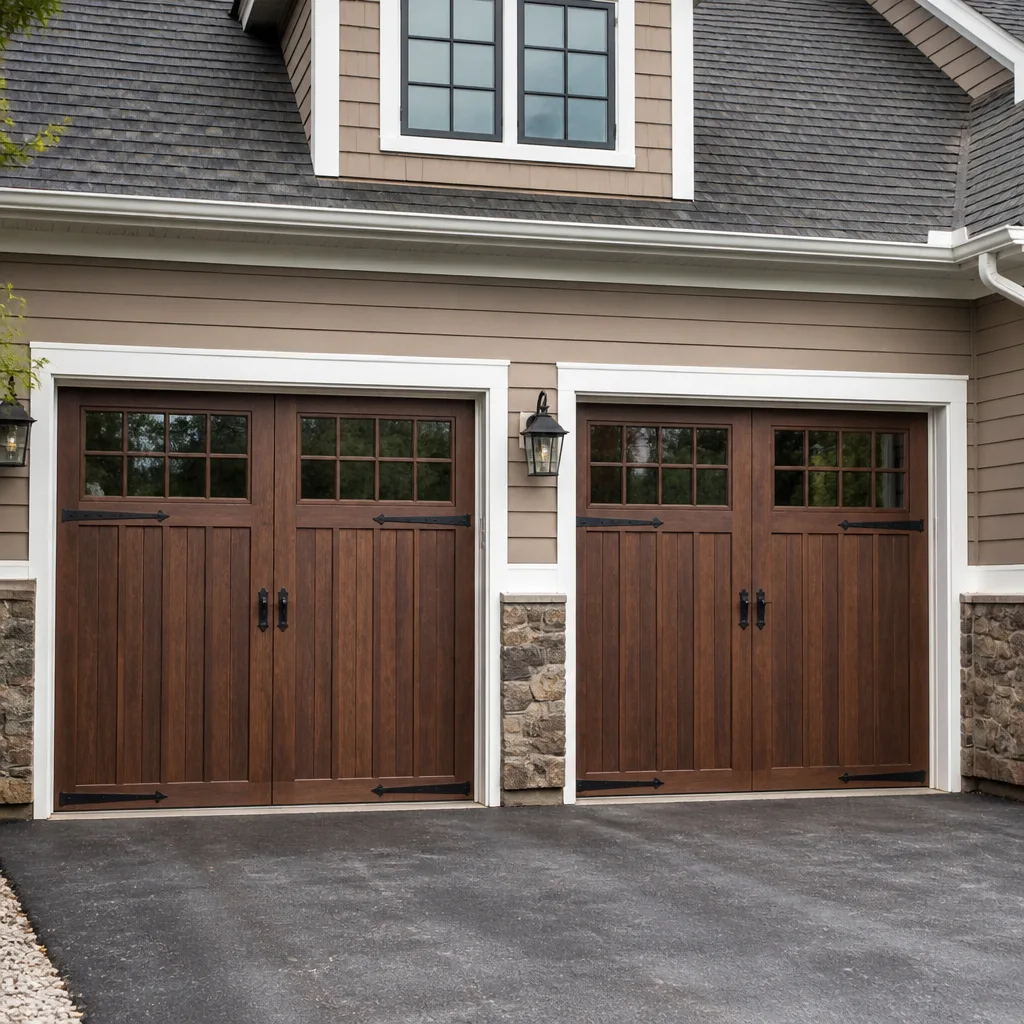 Carriage house
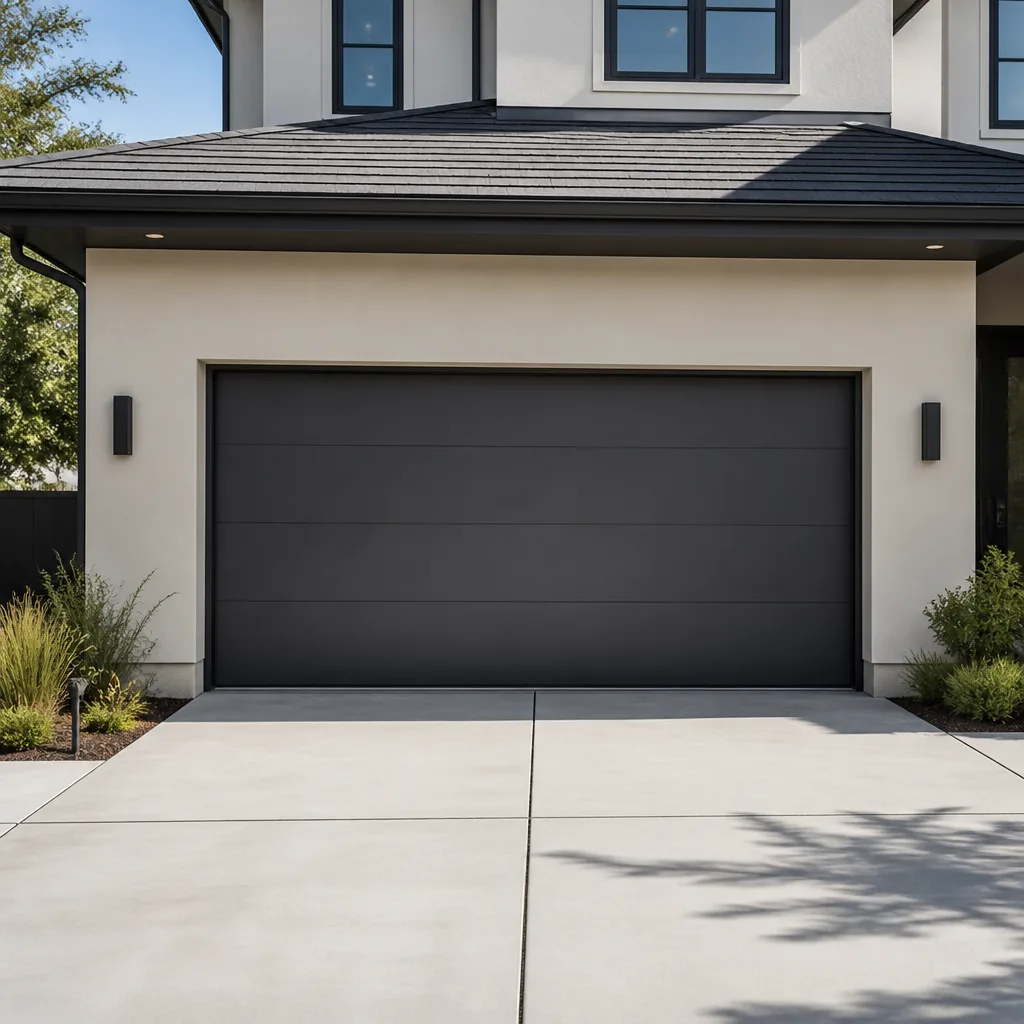 Modern flush
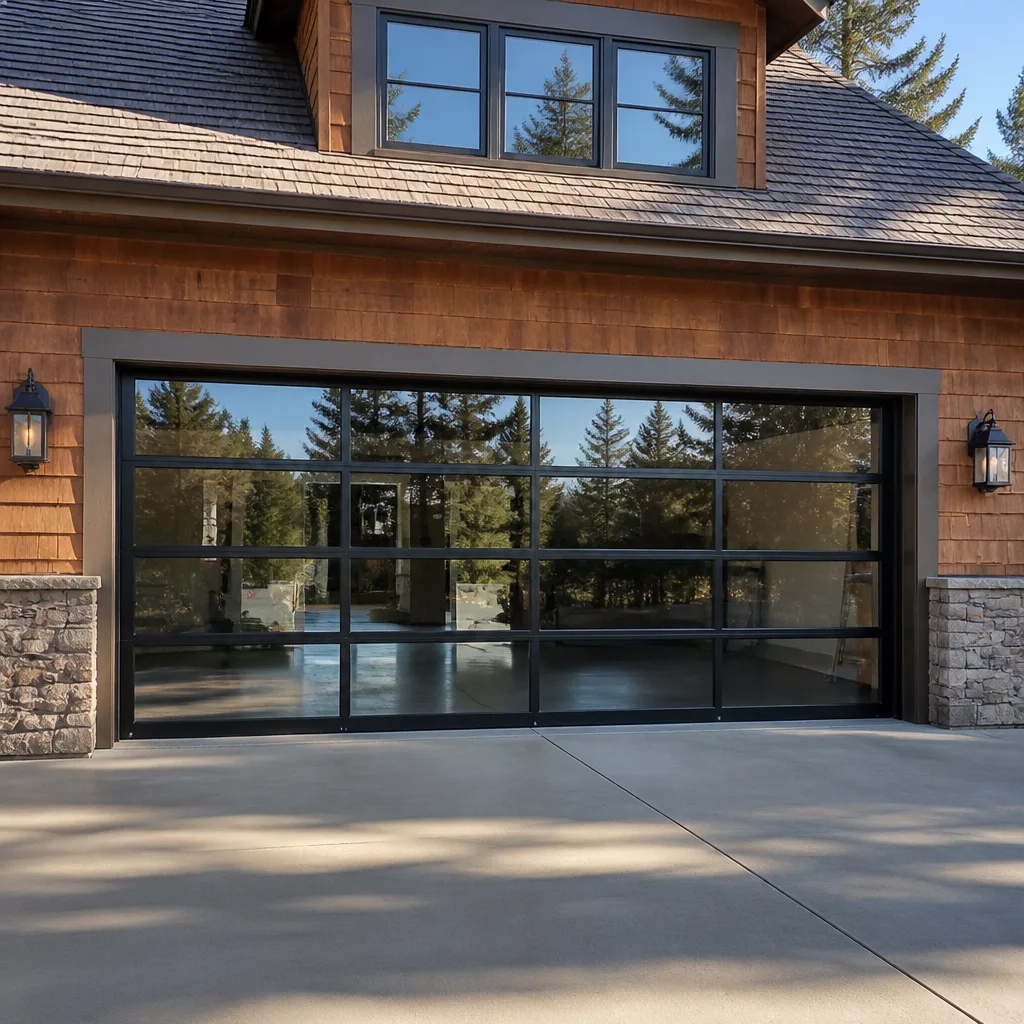 Full-view glass
 LiftMaster openers
 Chamberlain openers
Full 25-point door and opener safety check with every visit - springs, cables, rollers, tracks, and your LiftMaster or Chamberlain opener included
You get a price before we start. It does not change when the pro arrives.
Get your free estimateGarage Door Warning Signs: A Capitol Hill Homeowner’s Reference Guide
Here’s a mistake we see constantly: a homeowner hears a grinding noise, assumes the opener is dying, and calls about a motor. Meanwhile the actual problem is a torsion spring that’s about to snap. The symptoms point in two different directions, and guessing wrong costs you money. We’ve also seen the reverse happen – someone dismisses a door that closes but won’t reverse on contact, thinking it’s “just a quirk.” That one is a genuine safety-system failure, and it matters far more than a door that reverses before it fully shuts. This guide sorts garage door warning signs into three buckets: call today, schedule this week, and watch it. It’s written for Capitol Hill homes specifically, where brick settling, alley drainage, and old rowhouse electrical panels leave their own fingerprints on a door’s health.
Quick Answer
Same-day action is warranted for a broken spring, a frayed cable visible at the drum, or a door that has jumped its track. Schedule a repair within a week for grinding at the opener head, an opener that reverses before closing, or a door that only responds to one remote. Monitor and maintain for minor rattles, cosmetic rust, and weatherstripping wear. The single most dangerous sign is a door that closes but cannot reverse when it hits an obstruction – that means the opener’s safety system has failed.
Styles & brands we work with
- Raised-panel steel
- Carriage house
- Modern flush
- Full-view glass
- LiftMaster openers
- Chamberlain openers
Table of Contents
- The Three-Tier Triage: What’s an Emergency, What Can Wait
- Failed Spring or Failed Opener? How to Tell the Difference
- What Capitol Hill Conditions Do to Your Door
- The Noise Diagnostic: Opener Head vs. Track
- How to Document Warning Signs Safely Before We Arrive
- Brand-Specific Signals: LiftMaster, Craftsman, Wayne Dalton, Raynor
- What an Off-Track or Binding Door Is Telling You
- Common Mistakes to Avoid
- When to Call a Professional
- Frequently Asked Questions
The Three-Tier Triage: What’s an Emergency, What Can Wait
Most warning-sign guides hand you a flat list and leave you to sort it. That’s not much help at 9 p.m. when the door won’t move. Here’s how we actually triage a garage door problem, and how you can too.
Tier 1: Call today
These are the signs that either mean the door can’t be operated safely or that a component is at the point of catastrophic failure.
- A broken torsion spring. You’ll usually hear a loud bang and then find the door dead. Do not try to lift it manually without understanding what’s under tension.
- A frayed or snapped cable at the drum. If you can see wire strands separating near the top of the door, stop operating it. A cable under load is not a homeowner repair.
- A door that’s off its track. A crooked or partially derailed door can fall or twist with one more cycle. Stop the motor and call.
- A door that cannot reverse on obstruction. This is a safety-system failure, not a quirk. Test it with a block of wood, and if it doesn’t reverse, take it out of regular use until it’s fixed.
Tier 2: Schedule within a week
- Grinding or groaning at the opener head during the cycle.
- A door that reverses before fully closing – the sensor or travel-limit issue.
- An opener that responds to only one remote or requires multiple presses.
- Rust streaks appearing along a panel seam after wet weather.
- A door that binds in the middle of travel but still completes the cycle.
Tier 3: Monitor and maintain
- Minor rattles that don’t worsen over time.
- Weatherstripping that’s flattened or starting to peel.
- Cosmetic rust or faded paint on a panel that’s structurally sound.
- A slightly noisy door that’s always been slightly noisy.
The tiers aren’t fixed forever. A Tier 2 grinding noise left alone for a month can become a Tier 1 failure. That’s why knowing which bucket you’re in this week matters as much as what the symptom is.
Failed Spring or Failed Opener? How to Tell the Difference
If the door won’t lift or won’t stay up, spring failure and opener failure can look alike from the driveway. They’re very different repairs, and swapping the wrong component just moves the problem. Here’s how we separate them on a Capitol Hill service call.
Check the spring first
Look up at the torsion bar above the door (for a door with a horizontal bar) or at the extension springs alongside the tracks. A visible gap in the coil means the spring is broken. If the door feels extremely heavy when you try to lift it by hand with the opener disconnected, that’s another spring signal. Springs carry the door’s weight; the opener just moves it. When the spring goes, the opener suddenly has to lift a door that’s far heavier than it was designed for.
Check the opener second
If the spring looks intact and the door still balances reasonably by hand (with the opener disengaged), the symptoms point toward the opener. A hum with no movement, a motor that runs but doesn’t engage, or logic-board oddities like flashing error codes are opener signs. In our experience servicing LiftMaster and Craftsman units, opener errors often trace back to a single failing logic board or a capacitor, not to the motor itself.
When the two overlap
Occasionally a failing spring forces the opener to work harder than it should, which then burns out a gear or strips the drive. When both are failing, the order matters: fix the spring first, then test the opener under normal load. Replacing the opener with a broken spring will just burn out the new one.
If you aren’t sure which side of the line you’re on, don’t guess. Call (855) 604-5978 and describe what you see; a short conversation usually sorts the diagnosis before we even arrive.
What Capitol Hill Conditions Do to Your Door
A Washington, D.C. door ages differently from a door in Phoenix or Seattle. Three conditions in Capitol Hill specifically leave their own marks on your garage door – and three corresponding warning signs you should recognize.
Alley drainage and rust patterns
Capitol Hill’s alleys carry runoff from the alley surface into the garage apron, and after heavy rain that water sits against the bottom panel. Rust that starts at the bottom corners of the door and creeps up the panel seam is a Capitol Hill signature. It’s not always a structural problem yet, but check the bottom panel for softness every spring. Rust on the bottom seam, not the middle of a panel, is the pattern to watch for.
Brick settling and binding doors
Older block-and-brick rowhouses settle. When the wall on one side of the track shifts, the door begins to rub. You’ll notice a door that binds at the same point on every cycle – usually 12 to 18 inches off the ground – and a slight lean in the track. That’s a “schedule within a week” repair. The track needs re-plumbing before it gouges the rollers or warps the panel.
Power fluctuations and opener errors
Older Capitol Hill rowhouses have older electrical panels. Brownouts from shared feeds, brief outages, and voltage dips can cause an opener to lose its travel limits or its remote pairing. When an opener suddenly beeps, won’t respond to a remote that worked yesterday, or reverses without contact, suspect power first – especially if there was a storm within the last 24 hours. If you need help after a glitch, our garage door opener repair service covers re-programming, logic board replacement, and safety-sensor alignment.
Rust, settling, and electrical inconsistency – those three are the distinct warning-sign fingerprints of a Capitol Hill garage door. A generic guide won’t tell you to look for them. Ask around long enough and any long-tenured technician in the area will tell you the same.
The Noise Diagnostic: Opener Head vs. Track
A grinding noise means different things depending on where it comes from. “The door is grinding” isn’t a diagnosis – it’s a symptom that splits along location. Next time you hear it, put your ear near each of the two sources below.
Grinding at the opener head
If the noise comes from the motor housing near the ceiling, the likely culprits, in order, are:
- A worn drive gear. On most chain-drive and belt-drive units, a nylon gear wears out before the motor does.
- A failing capacitor, which makes the motor labor at start and can create a rattle that sounds like grinding.
- A loose logic board screw or housing screw vibrating against the rail.
All three are openers-only repairs. This is where brand-specific diagnosis saves money. A Genie or LiftMaster opener behaves differently when its gear is going vs. when it’s lost a limit setting, and knowing which is which keeps your technician from replacing a motor that’s fine.
Grinding at the track
If the noise comes from the track or where the door meets it, the likely culprits are:
- Worn nylon rollers. Rollers going dry or flat sound like a grinding buzz at each pass.
- A misaligned track rubbing the door edge, usually from settling (see Capitol Hill conditions above).
- Debris in the track from leaves or alley grit.
Track noise usually doesn’t stop the door from operating – but it accelerates roller wear and can lead to a Tier 1 off-track failure if it goes long enough.
Other noises and their meaning
- Snapping or popping: almost always a cable or spring – treat as Tier 1.
- Squealing: usually dry rollers or hinge pins.
- Banging at end-of-travel: a wrong travel limit or a loose rail mount.
- Rattling that appears only in wind: door hardware, not the opener.
How to Document Warning Signs Safely Before We Arrive
Good photos turn a 40-minute diagnostic into a 10-minute one, and they make a written estimate more accurate. But photographing a broken garage door has its own hazards. Here’s how we recommend documenting signs without putting yourself at risk.
Step-by-step safe documentation
- Stop the door first. Push the wall button to keep it in place, then pull the opener’s emergency release only if the door is fully down and you’re not going to move it. Don’t force anything.
- Never stand under a door that’s off-track or has a broken spring. Photograph it from the side, with a clear distance between you and the panel.
- Photograph the whole door first. A wide shot showing the entire opening tells us more than a close-up.
- Then photograph the spring area – from the side, at a distance. Don’t climb a ladder under a torsion bar. If you can’t reach it comfortably, skip this photo. We’ll see it in person.
- Photograph any rust along the bottom panel. Get one wide shot and one close-up so we can gauge how far it spreads.
- Note the time and what the door was doing when the problem started. “Grinding began after a power outage yesterday” tells us more than “it’s making a noise.”
- Photograph the opener head and any error-code lights. If yours shows a flashing pattern, take a short video of one cycle – that pattern is diagnostic gold.
What not to do
Don’t use your hand to test whether a spring is under tension. Don’t pry a panel to see the back. Don’t open the opener housing to photograph a gear. Every one of those puts you near a loaded component, and none of them are necessary for us to make an initial diagnosis.
Brand-Specific Signals: LiftMaster, Craftsman, Wayne Dalton, Raynor
Garage doors and openers don’t all fail the same way. Knowing what your specific brand is prone to shortens the diagnosis and helps you spot a warning sign earlier. We work on eight of the most common brands (LiftMaster, Chamberlain, Genie, Clopay, Amarr, Wayne Dalton, Craftsman, and Raynor), and each has a recognizable failure pattern.
LiftMaster
LiftMaster openers with MyQ connectivity will sometimes refuse to operate remotely but work fine from the wall button. That’s usually a Wi-Fi or hub issue, not a motor problem. On older units, a worn drive gear is the sound to listen for – a grinding at the opener head that gets worse over weeks.
Craftsman
Craftsman openers, especially the belt-drive models common on Capitol Hill rowhouses, tend to lose their travel limits after a power fluctuation. The symptom is a door that stops short of closing or reverses before fully opening. That’s a re-programming fix, not a new opener.
Wayne Dalton
Wayne Dalton doors with the TorqueMaster spring system carry their torsion springs in a tube above the door – the sign of failure is the door going dead with no visible broken spring. If your Wayne Dalton door will not lift and you can’t see a broken coil, that’s why. It’s still a spring repair; it’s just housed differently.
Raynor
Raynor doors and openers often hold up well, but their torsion springs are under the same loads as anyone else’s. A Raynor door that opens in jerky increments rather than a smooth rise usually has a spring losing tension or a roller that’s seized.
Knowing the brand saves you time on the phone and helps us arrive with the right parts. If you want to book an appointment after reading this guide, our garage door repair team can sort a brand-specific diagnosis on the first visit.
What an Off-Track or Binding Door Is Telling You
A door that’s off its track is one of the clearest “call today” signs on a garage door. But not every door that binds is fully off-track, and knowing which state you’re in matters for how urgently to treat it.
The three stages of a failing track
- Binding at one point. The door runs smoothly except for a bind at a certain height – often 12 to 18 inches off the ground. The track has loosened or shifted slightly. Schedule a repair within a week.
- Visible lean in the track. Noticeable by eye. Rollers may be starting to jump. This is a Tier 1 to Tier 2 borderline – stop regular operation until you’ve had it looked at.
- Off-track or derailed. One or more rollers is out of the channel or the door is visibly crooked. Stop using the opener. This is a Tier 1 emergency.
What causes track problems in Capitol Hill
Brick settling in older rowhouses is the leading cause we see in Capitol Hill – the wall shifts subtly over the years, and the track bolted to it goes with it. Alley impacts are the second – a car bumper or a trash bin against the track. Third is simple loosening of the bracket fasteners over time.
What a warning sign looks like versus what a fine door looks like
A fine door runs evenly, holds a straight line at the edges when viewed from the side, and produces no abnormal noise. A warning-sign door has a slight kink at one point in its travel, a lean you can see against a level, or a roller box that looks worn where the roller sits in the channel. If you can see daylight between the door edge and the track on one side and not the other, the track has shifted.
Track work needs a trained hand – trying to force a bound door back onto its track can drop it or damage the panel. If it needs repair, we can schedule a visit; our Garage Door Repair Capitol Hill service covers binding, off-track, and panel damage from either.
Common Mistakes to Avoid
- Trying to lift a door manually after the spring snaps. A torsion spring under tension is one of the most dangerous parts of a home. If the door is heavy, the spring is broken – call and keep hands off.
- Replacing the opener when the spring is the problem. If the door feels heavy and the opener hums, the spring – not the motor – is the culprit. A new opener with a broken spring will fail too.
- Ignoring a door that closes but cannot reverse. This is the most dangerous warning sign on the list. Test it monthly with a piece of wood and get it fixed before a child or pet is under the door.
- Assuming noise is “normal for this old door.” A door that’s always been noisy is one thing; a door that’s gotten noisier is telling you something. Track the change over a couple of weeks.
- Using lubricant on the track itself. Grease attracts grit from Capitol Hill alleys and turns the track into sandpaper. Lubricate rollers and hinges; leave the track itself clean and dry.
- Skipping the monthly safety test. The reverse test takes 30 seconds and catches the single most dangerous failure mode before an accident happens.
- Hiring a general handyman for spring or cable work. Torsion spring and cable repair requires specific tools and training. This isn’t a comfortable trade-adjacent task for a generalist.
When to Call a Professional
Call a professional the moment you see any Tier 1 sign: a broken spring, a frayed or snapped cable at the drum, a door off its track, or a door that closes but cannot reverse on obstruction. Each of those either involves a loaded component under extreme tension or a genuine safety failure – not something to test by hand. Also call when the diagnosis is between a failing spring and a failing opener; misdiagnosis means paying for the wrong repair and then the right one. And call if you’re photographing signs and can’t safely get a clear shot of the spring area – that alone tells us the door isn’t in a state for you to be working near it.
Garage Door Repair Capitol Hill offers free estimates in Capitol Hill – call (855) 604-5978 and we’ll get someone out to look. If it’s an emergency, tell us that up front and we’ll treat it like one: emergency garage door repair is a service we offer and one not every garage door company does. Same door, same day.
Frequently Asked Questions
A door that closes but cannot reverse when it hits an obstruction. That indicates a failure of the opener’s safety-reversing system, which is the primary protection against a door crushing a person, child, or pet. Test it monthly with a piece of wood under the closing door; if it does not reverse, take the door out of regular use until it’s serviced.
Usually yes, if it’s Tier 2 grinding at the opener head with no other symptoms. The risk is that a worn gear becomes a seized motor, and a seized motor with a broken spring becomes a door stuck in place. If the noise is worsening day to day, move it up to Tier 1. Call (855) 604-5978 for an exact quote – estimates are free.
Look up at the spring – a visible gap in the coil means the spring is broken. Try lifting the door by hand with the opener disconnected; if it’s extremely heavy, the spring has lost tension. If the spring looks intact and the door balances, the symptoms point toward the opener. Call (855) 604-5978 and describe what you see; a short conversation usually narrows it down.
Alley drainage and heavy rain pool water against the bottom panel, and rust starts at the bottom corners and panel seam. That pattern is a Capitol Hill signature – check the bottom panel for softness every spring. If the rust is only cosmetic, monitor it; if the panel flexes or feels soft, schedule a repair within a week.
Often yes. Power fluctuations from a shared feed can reset opener travel limits, unpair remotes, or trip the logic board, causing a door that reverses without contact or won’t respond to a remote that worked yesterday. If symptoms appeared within 24 hours of a storm or outage, suspect power before you suspect the motor. Call (855) 604-5978 for a diagnosis.
Not without your agreement. We quote a price based on what you describe and confirm it on arrival before any work starts, and the written estimate sets the final price. If the on-site inspection finds something that changes the scope, you’ll hear about it before we touch the door – never after. Call (855) 604-5978 for a free estimate.
The Bottom Line
Not every garage door warning sign is an emergency – and treating them all as one is as costly as ignoring the ones that are. Sort what you’re seeing into the three tiers: same-day for broken springs, visible cable fray, off-track doors, and a failed safety reverse; within a week for grinding opener noise, intermittent remote response, or a door that binds at one point; monitor for rattle, weatherstripping, and cosmetic rust. Learn your brand’s failure pattern, check the spring before you blame the opener, and photograph warning signs from a safe distance. If you’d like a second opinion on what you’re seeing at your Capitol Hill home, our garage door installation team can also look at whether replacement makes more sense than another repair.
Our technicians have up to 8 years of experience diagnosing exactly these patterns, and we work on the brands you already own – no bounce to the manufacturer, no guesswork. If a warning sign in this guide matches what you’re seeing, call (855) 604-5978 for a free estimate. We’ll confirm the diagnosis, quote the price before any work starts, and get your door back to safe operation.
Written by the team at Garage Door Repair Capitol Hill.
See the difference
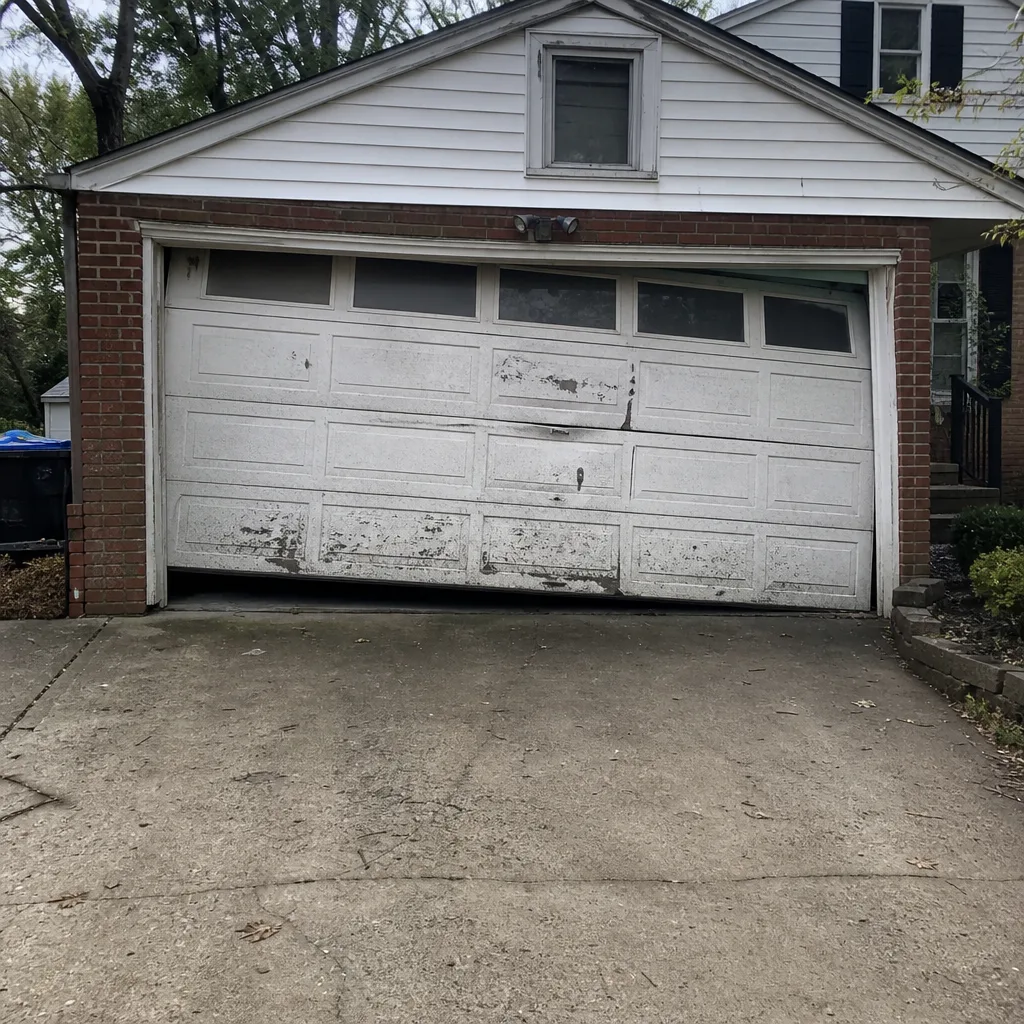 Before
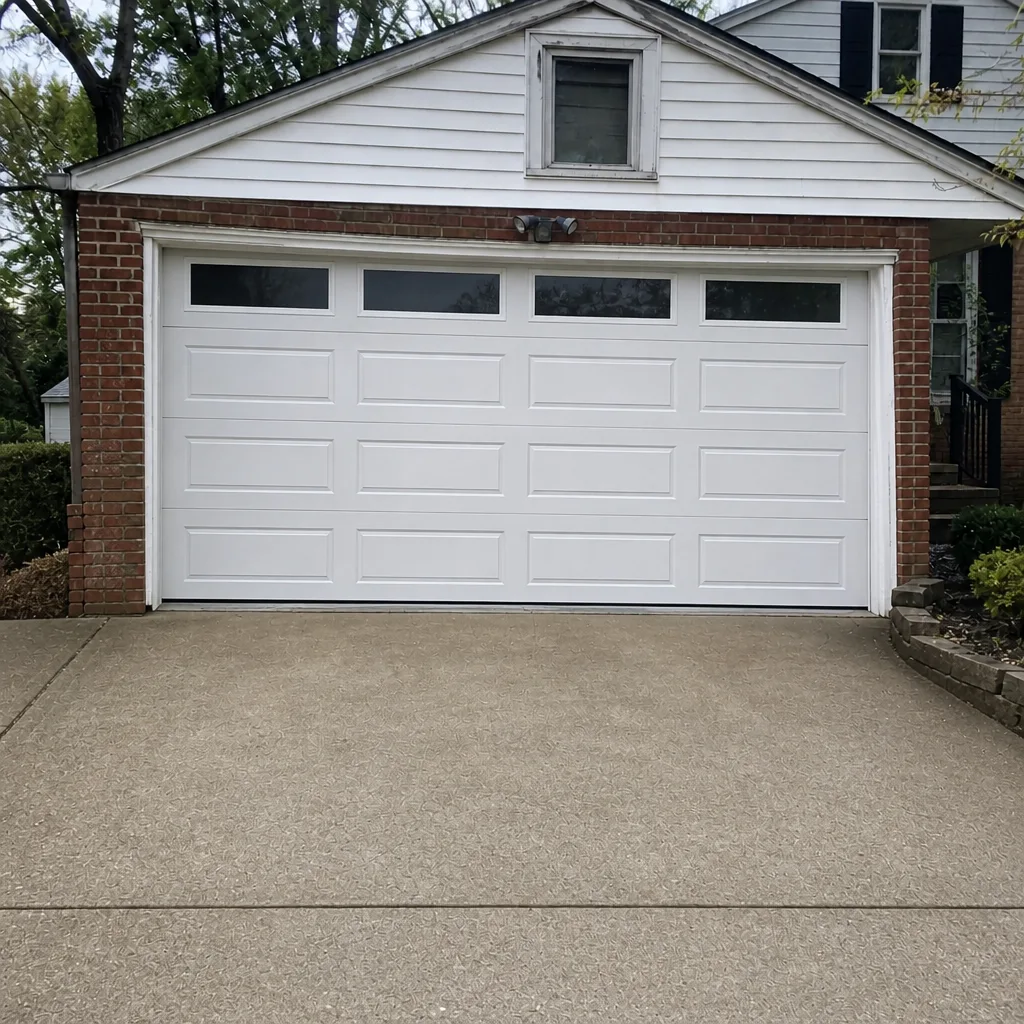 After
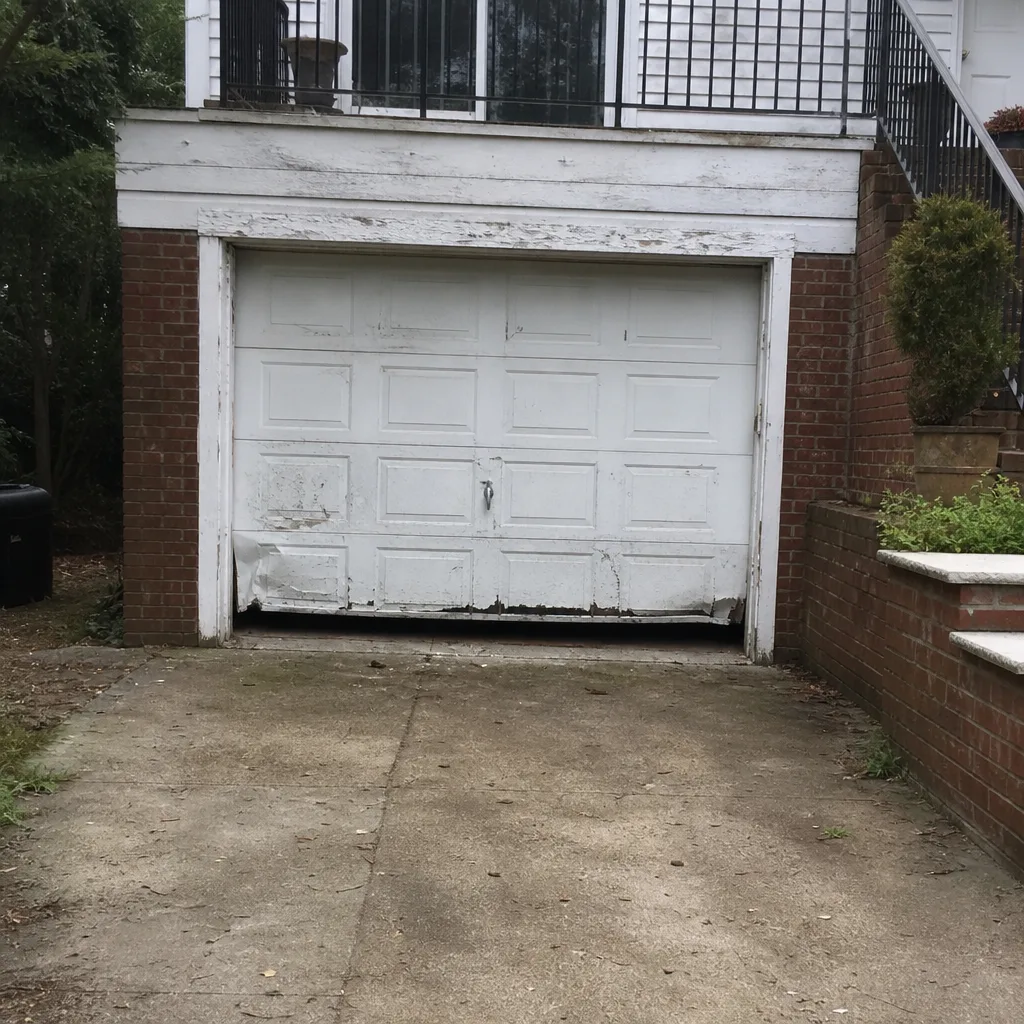 Before
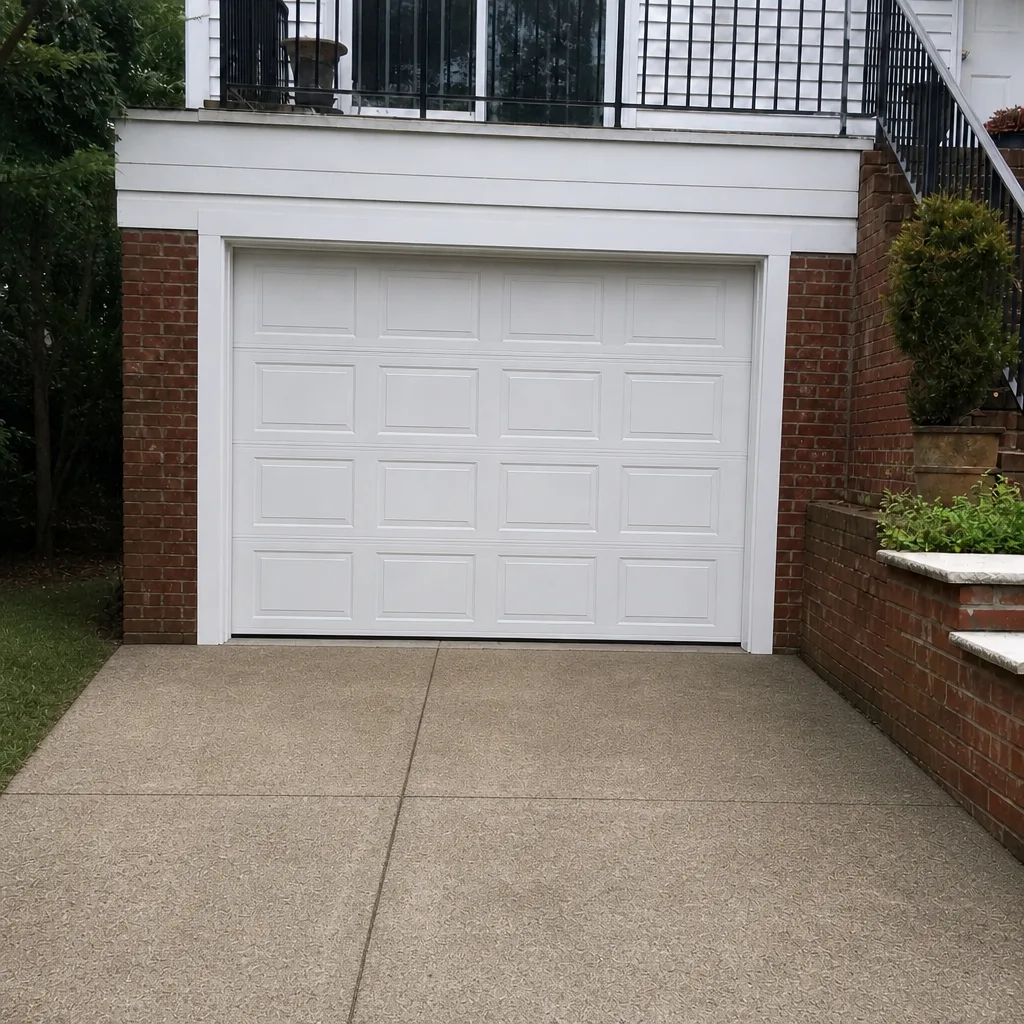 After
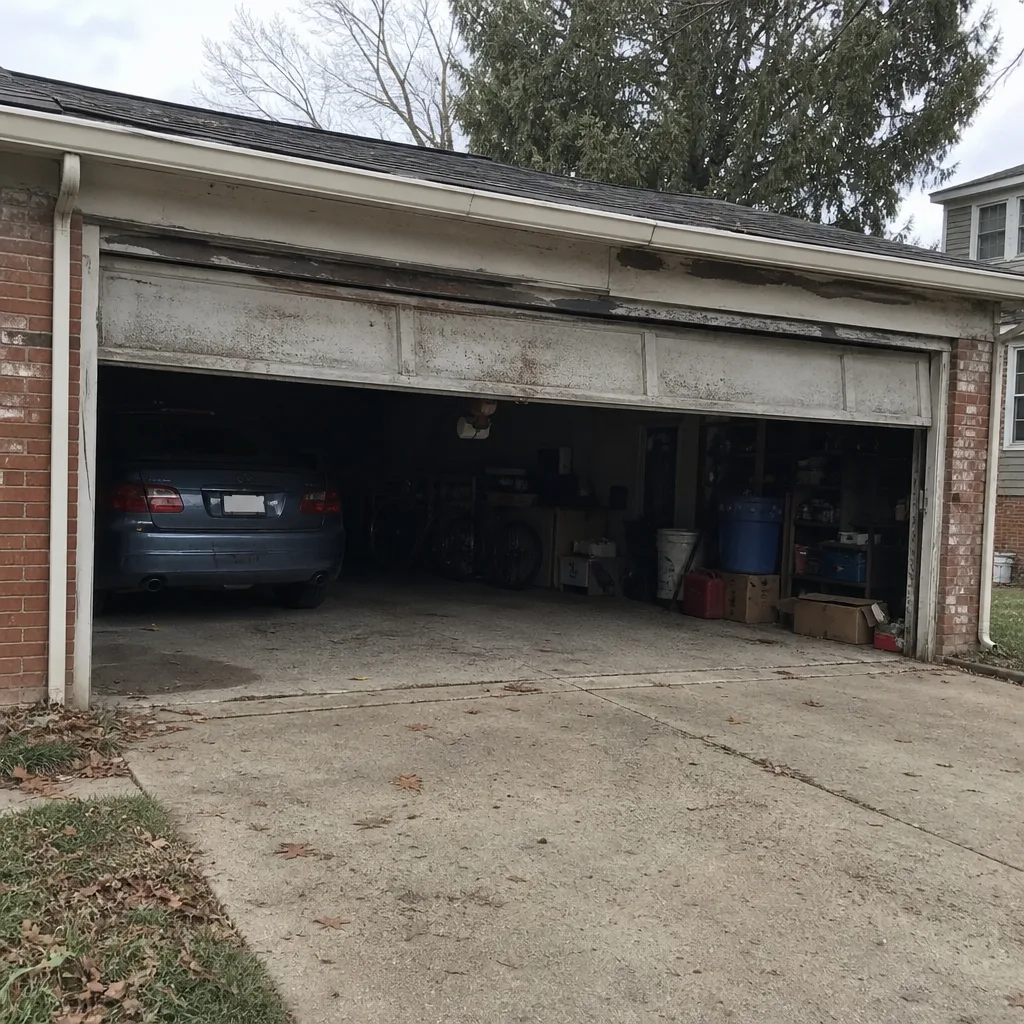 Before
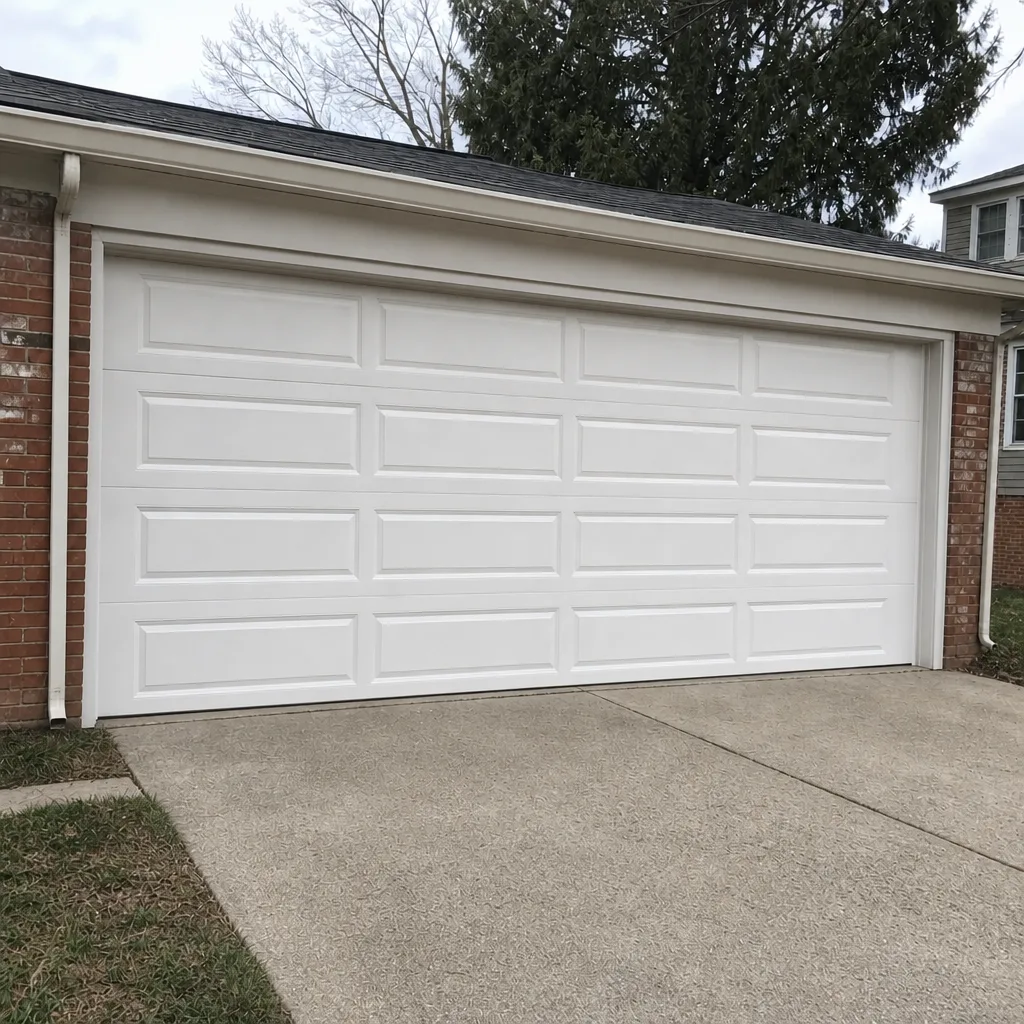 After