Last updated November 21, 2026
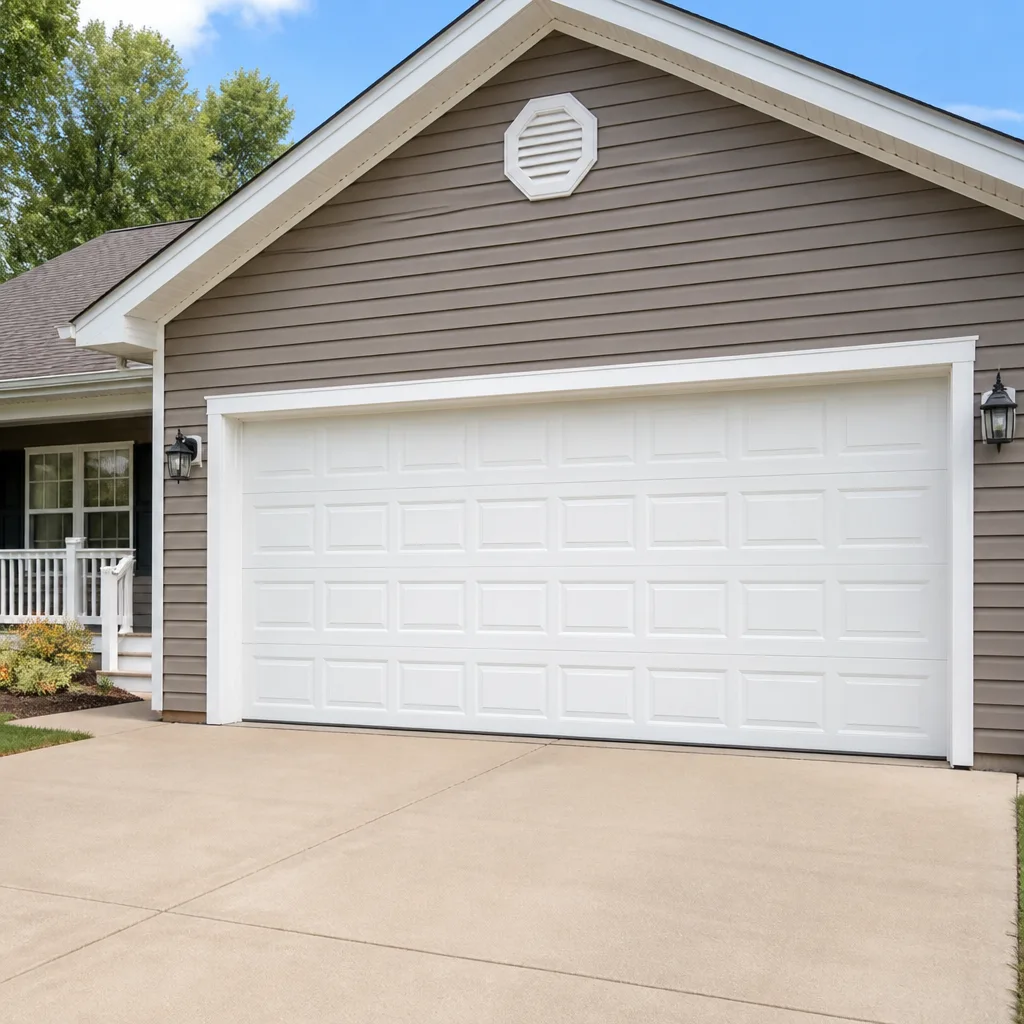 Raised-panel steel
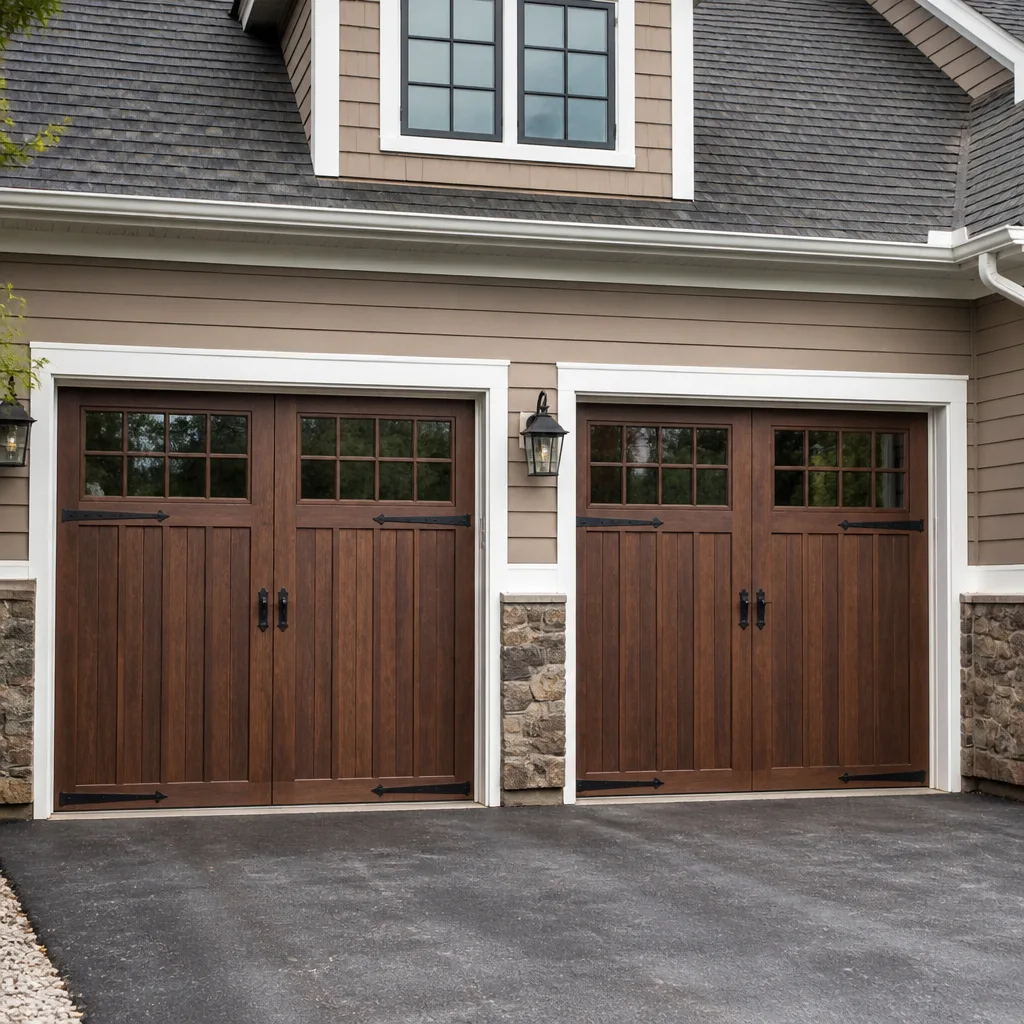 Carriage house
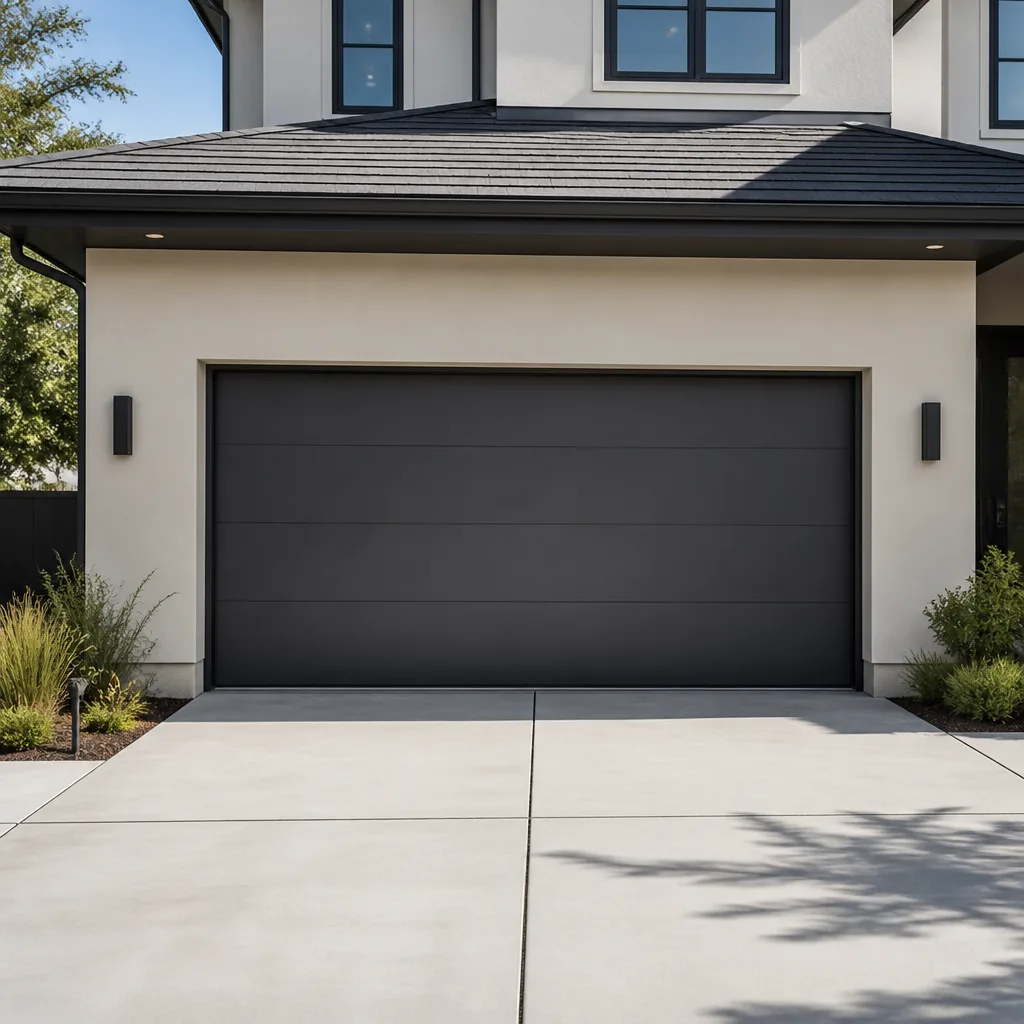 Modern flush
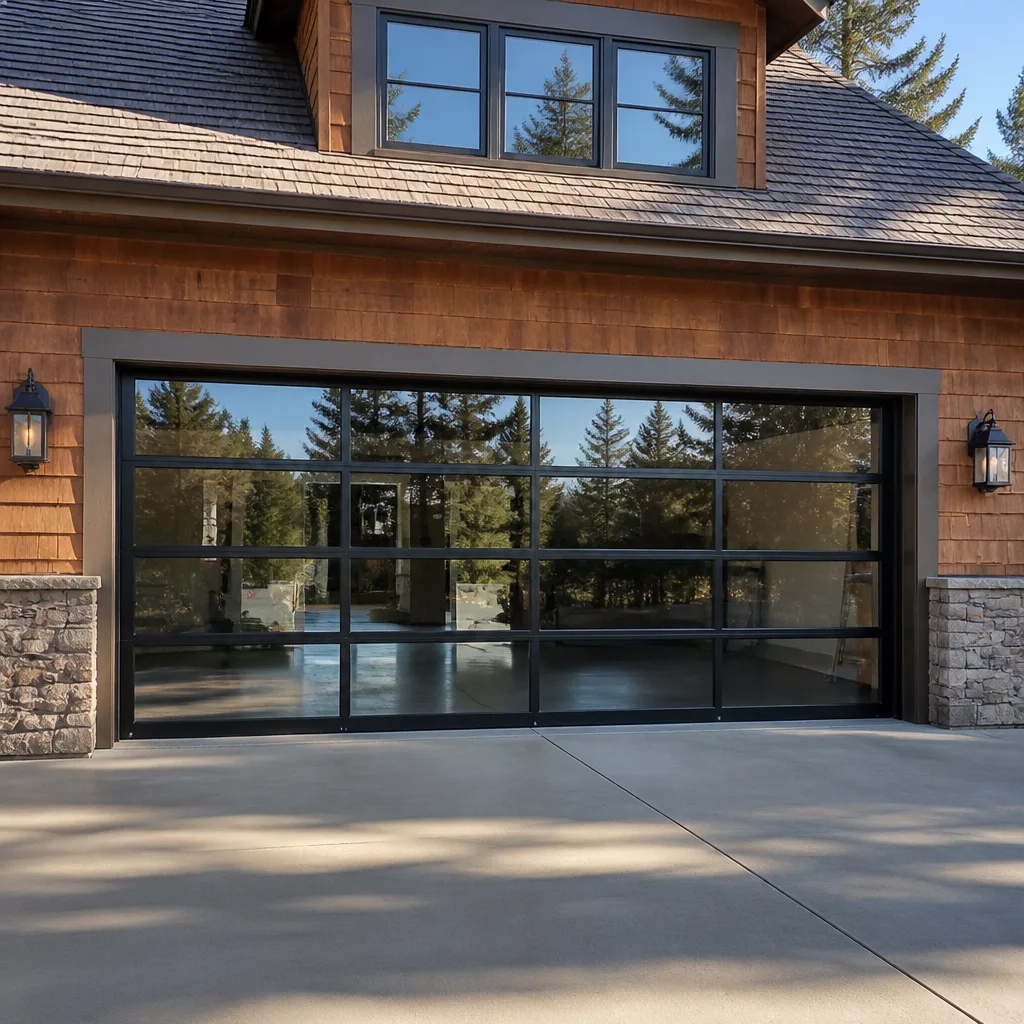 Full-view glass
 LiftMaster openers
 Chamberlain openers
Full 25-point door and opener safety check with every visit - springs, cables, rollers, tracks, and your LiftMaster or Chamberlain opener included
You get a price before we start. It does not change when the pro arrives.
Get your free estimateSeasonal Garage Door Care for Capitol Hill: Year-Round Homeowner’s Guide
The garage door failure Capitol Hill homeowners are least prepared for usually shows up in February, not January. A mid-winter warm snap in DC thaws the garage, then a hard refreeze snaps the temperature back down, and that contraction-expansion cycle pushes the torsion spring metal past its fatigue limit. That’s why spring breaks cluster in late winter here rather than on the coldest night of the year. This guide walks you through what each Capitol Hill season does to your door, springs, opener and seals, and what to check and adjust so each component survives the next swing. By the end you’ll know the maintenance rhythm that fits this climate and when something needs a technician’s hands.
Quick Answer
Garage door care in Capitol Hill follows the calendar: in summer, control humidity swelling on wood sections and watch opener thermal cutoff; in fall, replace weatherstripping and bottom seals before the first freeze; in winter, switch to cold-rated lubricant and expect spring fatigue in late-winter freeze-thaw cycles; in spring, inspect tracks for micro-bends from ice expansion and check roller wear. Each season stresses a different component, and a short check each time prevents most breakdowns.
Styles & brands we work with
- Raised-panel steel
- Carriage house
- Modern flush
- Full-view glass
- LiftMaster openers
- Chamberlain openers
Table of Contents
- Why Capitol Hill Garage Doors Face a Full Range of Extremes
- Summer: Humidity, Swelling Wood, and Opener Heat Cutoff
- Fall: The Right Window for Weatherstripping and Seals
- Winter: Cold-Rated Lubricants and the Late-Winter Spring Risk
- Spring: Track Inspection and Roller Wear After a Hard Winter
- Your Year-Round Maintenance Calendar
- The Urban Heat Island Effect on Capitol Hill Garages
- Common Mistakes to Avoid
Why Capitol Hill Garage Doors Face a Full Range of Extremes
Capitol Hill sits in a climate band that serves up genuine extremes rather than a mild, steady year. Summer humidity pushes into the 90s, winters bring hard freezes, and January delivers freeze-thaw cycling that no other season replicates. Each of those conditions attacks a different part of your garage door system. The torsion spring, the wood or steel sections, the weatherstripping, the rollers and the opener each react to temperature and moisture in their own way, which is why one seasonal checklist won’t cover the whole year in Capitol Hill.
Most homeowners think of their garage door as a single unit. In practice it’s a system of parts that expand, contract, swell, dry, stiffen and fatigue at different rates. The spring that’s fine in July can fail in February. The seal that looks intact in October can leak cold air by December. Wood sections that close cleanly in spring can bind against the frame by August. Understanding which part is vulnerable when is the whole point of seasonal care.
What sets Capitol Hill apart is the swing speed. A neighborhood with gradual seasonal change gives components time to adjust. A neighborhood with 95°F humid summers, sudden freezes and mid-winter warm snaps forces those components through a lot of rapid expansion and contraction. That’s the pattern here, and it’s the reason a maintenance rhythm matters more in Capitol Hill than in a milder market.
The other factor is housing. Capitol Hill’s older homes often have attached or detached garages built with wood doors, older track systems and legacy openers. Those components respond to this climate’s extremes more sharply than modern insulated steel doors do. If your door predates the last decade or so, this guide is especially relevant to you.
Summer: Humidity, Swelling Wood, and Opener Heat Cutoff
Summer in Capitol Hill is humid, and humidity is the enemy of a wood garage door. Wood door sections absorb moisture from the air and swell, which tightens the gaps between panels and pushes the door against its tracks and frame. The symptoms are easy to spot: the door binds partway down, the sections rub, the opener strains or reverses, and the whole door feels heavier than it did in spring.
The instinct is to crank up the spring tension to force the door through the binding. That’s the wrong fix. Over-tensioning a torsion spring masks the real problem, adds stress to a component that’s already the highest-tension part of the system, and can cause the door to fly up faster than it should. The right sequence restores smooth travel without overtaxing the spring.
Here’s how we approach a binding summer door:
- Disconnect the opener so the door moves on its own, then lift it by hand. If it’s hard to lift or binds at a specific spot, you’ve confirmed the problem is mechanical, not electrical.
- Check the gaps between door sections and between the door edge and the frame. Swollen wood shows up as tight spots at the hinges and along the jamb.
- Loosen the track brackets slightly and re-align the track so it isn’t pinching the swollen sections. Tracks on an older Capitol Hill garage often need a small shim adjustment, not a bend.
- Lubricate the hinges, rollers and springs with a lubricant rated for the temperature range.
- Re-engage the opener and watch the door travel through a full open-close. If it still binds, the spring or track alignment needs a trained eye.
Do not adjust torsion springs yourself. They’re under extreme tension, and the safe move for anything beyond a track shim is to bring in a technician who handles springs as a matter of routine. Our garage door repair work in Capitol Hill includes exactly this kind of seasonal binding fix, and we’d rather see it in summer than after a spring fails in February.
Fall: The Right Window for Weatherstripping and Seals
Fall is the only right time to replace weatherstripping and bottom seals in Capitol Hill. Do it after the first freeze and you’ll get poor adhesion and poor fitment: the rubber is stiff, the adhesive doesn’t set cleanly, and the seal won’t sit flat against a cold threshold. If your seals are cracked, flattened or missing, the window to fix them properly is between the last humid spell of summer and the first hard freeze of winter.
A worn bottom seal is more than a draft. It’s the barrier that keeps cold air, rain and pests out of the garage, and it’s the cushion the door rests on when it closes. A flattened or torn seal lets a cold, windy January leak straight under the door and can throw off the door’s close alignment. On a Capitol Hill winter, that’s the difference between a garage that holds its temperature and one that doesn’t.
What a proper fall seal check covers:
- The bottom seal, looking for cracks, flattening, gaps at the threshold and any section that pulls away from the door.
- The side and top weatherstripping around the frame, checking for hard, brittle or missing rubber.
- The threshold itself, which should be clean and dry so a new seal can sit flat.
- The seal’s contact line against the floor when the door is fully closed.
We replace seals and weatherstripping before the cold settles in for the same reason we check the bottom edge early: the work is temperature-sensitive, and a seal installed in the cold tends to fail by mid-winter. If your seal is past saving, scheduling the replacement in October rather than December means it’s done right the first time. A free measure and a written price is the right starting point for seal and weatherstripping work, since the pieces are cut to your door, not pulled off a shelf.
Winter: Cold-Rated Lubricants and the Late-Winter Spring Risk
Winter is when lubricant choice starts to matter, and when the spring becomes the component to watch. Standard garage door sprays gel below 20°F, which means the hinges, rollers and springs stop gliding and start dragging. You’ll notice it as erratic opener behavior: the door jerks, reverses partway, or hesitates at the top or bottom of travel. The opener isn’t necessarily failing. The lubricant has gotten too thick to do its job.
The fix is to switch to a lubricant that stays viscous below 20°F and to apply it to the hinges, rollers, springs and any pivot points before the hard freezes arrive. A cold-rated product keeps those parts gliding through the coldest weeks. In our experience, a good share of winter “opener failure” calls in Capitol Hill turn out to be cold-stiffened lubrication, not a failed opener. That said, if your opener is a LiftMaster, Chamberlain or Genie unit acting unpredictably in the cold, it’s worth having the logic and limits checked as part of the same visit.
Torsion springs are a separate story. Cold metal is more brittle, and the real danger window comes in late winter, not on the coldest night. A mid-winter warm snap followed by a refreeze forces the spring metal through contraction and expansion, and that cycling pushes it past its fatigue limit. That’s why spring failures cluster in February more than January in this climate. Watch for a door that feels suddenly heavy, a loud bang from the garage, or a visible gap in a torsion spring. Any of those means the door should not be opened until a technician looks at it.
Springs are the highest-tension component in your garage system, and replacing one safely takes specific training and tools. We handle torsion and extension spring work as a named specialty, and it’s the call we’d rather get early than after a door comes down hard. Emergency service is available for a stuck or broken door in the cold, because a compromised door on a January night is a security problem right away, not a tomorrow problem.
Spring: Track Inspection and Roller Wear After a Hard Winter
As the freeze lifts, the first thing to inspect is the track. Ice expansion can put micro-bends in a track that wasn’t protected from standing water and freeze-up, and those small bends show up later as a door that binds, scrapes or runs unevenly. A track that looks straight from the outside can still have a slight kink where a roller catches.
The second thing to check is roller wear. A hard winter of cold starts, heavier travel and freeze-thaw stress wears rollers faster than the mild months do. Worn rollers produce a rattling, grinding or jumping door, and they can wear the track in turn if left alone. After a Capitol Hill winter, a roller check is cheap insurance against a bigger repair.
Here’s how we go through a post-winter inspection:
- Look down each vertical and horizontal track for dents, kinks or bends, especially near the floor and the curve where the door turns horizontal.
- Run the door by hand and listen for a scrape or a catch at a specific point, which points to a bent track or a worn roller.
- Spin each roller and check for flat spots, cracking or a loose bearing. Replace any roller that’s worn or wobbly.
- Check track alignment with a level, looking for any section pushed out of line by ice movement.
- Lubricate the rollers, hinges and springs with the same cold-to-warm-rated product, and re-check the door balance.
If a track is bent or a roller set is worn through, that’s a job for a technician. Adjusting track and roller geometry affects the door’s balance, and an unbalanced door loads the springs harder. Our garage door opener repair work often overlaps with this, since a door that runs rough makes the opener strain or reverse. Same-door, same-day resolution is the goal once we’ve identified the actual fault rather than guessing at the opener alone.
Your Year-Round Maintenance Calendar
A simple seasonal rhythm covers most of what a Capitol Hill garage door needs across the year. Each season’s check takes minutes, and catching a worn part early costs less than replacing a failed spring or opener later.
- Spring (post-freeze): inspect tracks for micro-bends, spin and check rollers, re-lubricate, and re-check door balance.
- Summer: watch for wood-section swelling and binding, check that the door lifts smoothly by hand, and give the opener ventilation so it doesn’t hit thermal cutoff in a hot garage.
- Fall: replace weatherstripping and bottom seals before the first freeze, and clean the threshold so new seals sit flat.
- Winter: switch to cold-rated lubricant on hinges, rollers and springs, and watch the spring closely through late-winter freeze-thaw cycles.
- Every season: listen for new noises, watch for a door that runs unevenly, and test the opener’s safety reverse.
The single most useful habit is to watch the door once through a full open and close each season and listen. Grinding, rattling, scraping and hesitation are all signals from a specific component, and each points toward a specific fix. Over the course of a year in Capitol Hill, that listening habit catches most of the problems this guide describes before they turn into a stuck door on a cold night.
The Urban Heat Island Effect on Capitol Hill Garages
Capitol Hill’s dense streets, brick buildings and paved surfaces trap heat, so this neighborhood’s garages run several degrees hotter in summer than garages in the surrounding suburbs. That extra heat matters more than most homeowners realize, because the opener lives in the garage attic or ceiling area and it has a thermal cutoff designed to protect itself. When the garage gets hot enough, the opener shuts down mid-cycle, reverses unpredictably or refuses to operate until it cools.
When an opener cuts out in summer, the first question is whether it’s a heat problem or a real fault. A unit that fails only on the hottest afternoons and recovers after a cooldown is likely hitting thermal cutoff. A unit that fails at any temperature is unlikely to be heat-related. That distinction matters, because the fix for heat-related cutoff is ventilation and airflow around the opener head and the garage itself, not a new opener.
For a smart or connected unit like a LiftMaster or Genie, a heat-related cutoff can also throw an error on the app and look like a failure when it isn’t. Knowing your opener’s brand-specific logic helps separate a thermal trip from an electronics problem. That’s part of why we work on your brand by knowing the brand: a technician who recognizes LiftMaster’s behavior, or a Chamberlain or Genie unit’s, diagnoses by the symptoms the unit actually produces rather than by trial and error. Opening airflow through the garage on hot days and keeping the opener head clear around its vents both help. If the problem continues well beyond a specific hot spell, it’s worth having it looked at.
Common Mistakes to Avoid
- Over-tensioning the springs in summer. Crank down the tension to force a swollen wood door through its track and you add strain to the highest-tension component in the system. Align the track and relieve the binding instead.
- Replacing seals after the first freeze. A seal installed in cold temperatures won’t adhere or fit properly. In Capitol Hill, that means late fall is the deadline, not a suggestion.
- Using standard garage door lubricant in winter. It gels below 20°F and causes the erratic opener behavior many homeowners mistake for a failing opener. Use a cold-rated product on hinges, rollers and springs.
- Blaming the opener for a door that binds. A rough-running door makes the opener strain and reverse, and replacing the opener won’t fix a bent track or swollen section. Diagnose the door itself first.
- Skipping the spring check in February. The late-winter freeze-thaw cycle is when spring failures cluster here, and a quick visual check plus a hand-lift test catches the warning signs early.
- Assuming a hot garage means a bad opener. Thermal cutoff in a Capitol Hill garage is often a heat and airflow problem, not an electronics failure. Check the pattern before replacing anything.
- Working on torsion springs yourself. The tension in those springs can cause serious injury with the wrong tools or a slip. Leave spring work to a trained technician.
See the difference
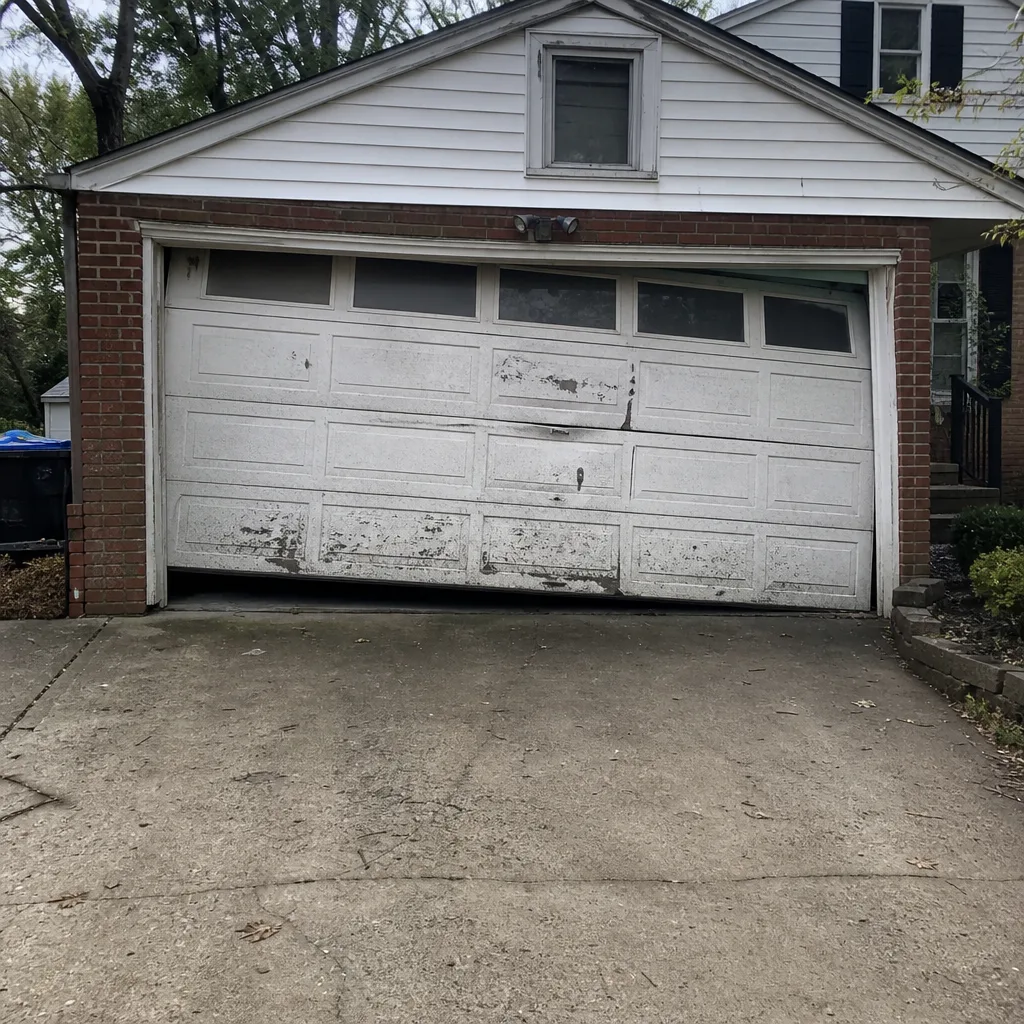 Before
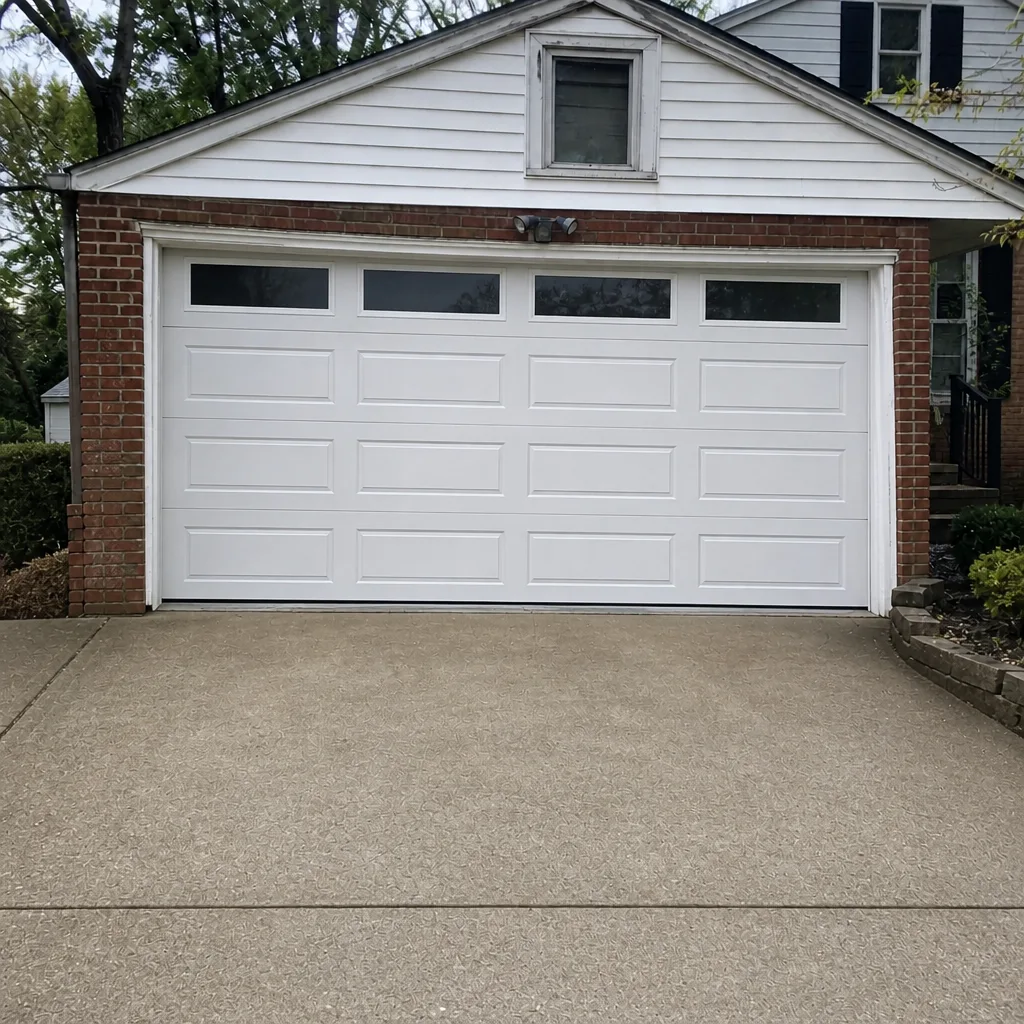 After
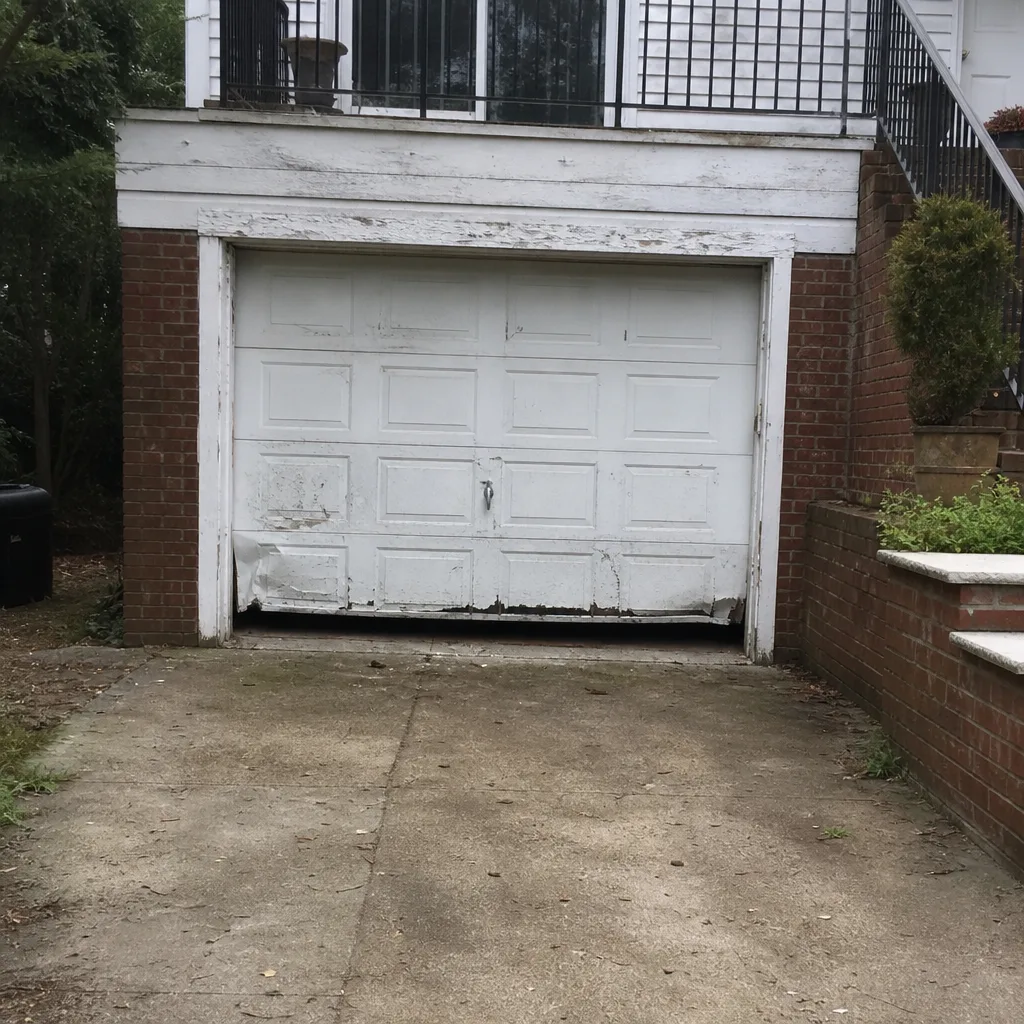 Before
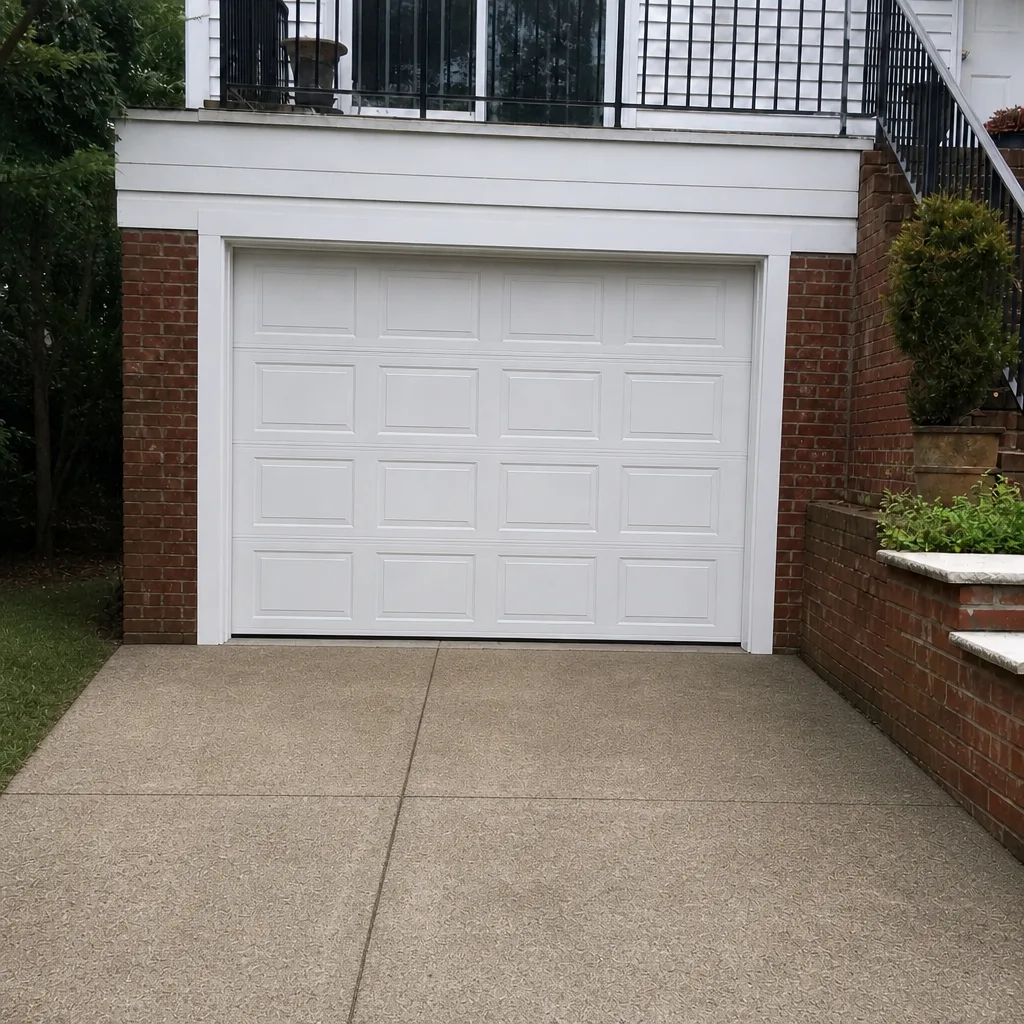 After
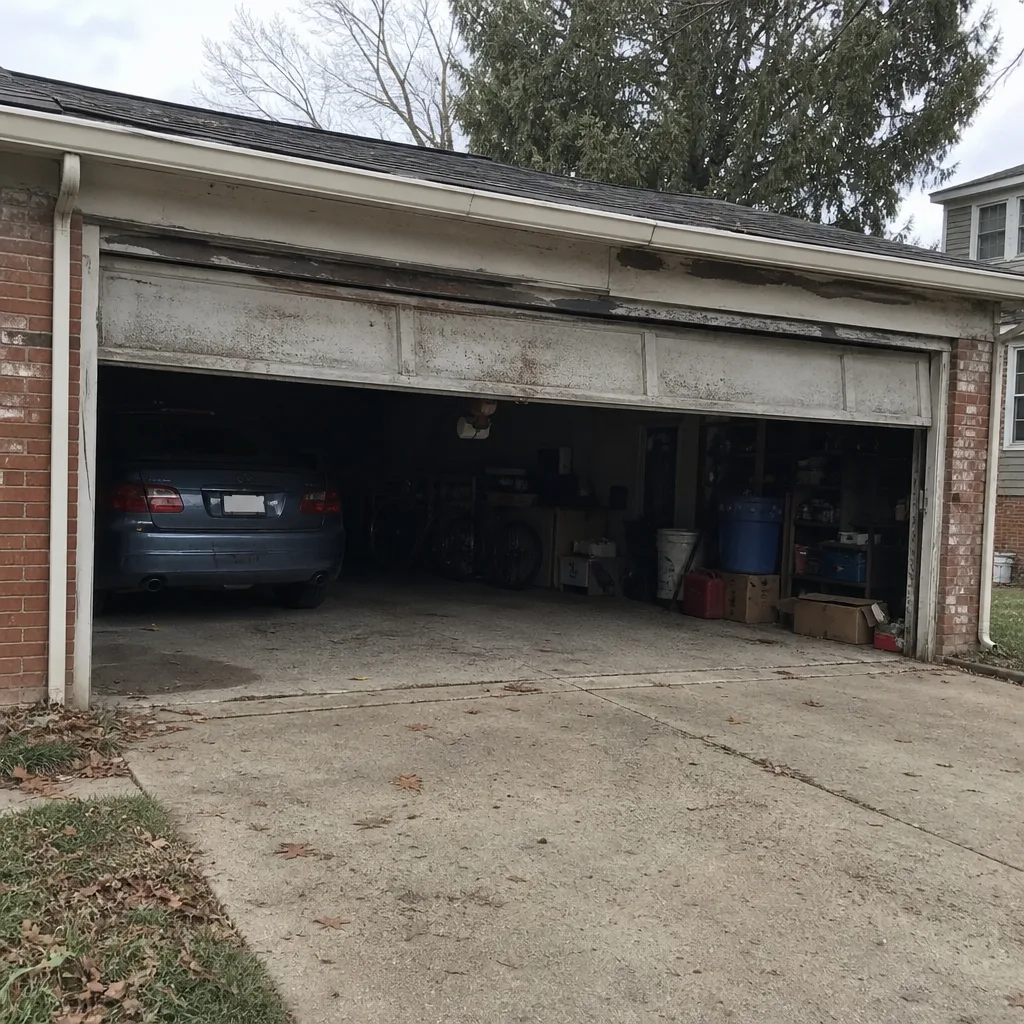 Before
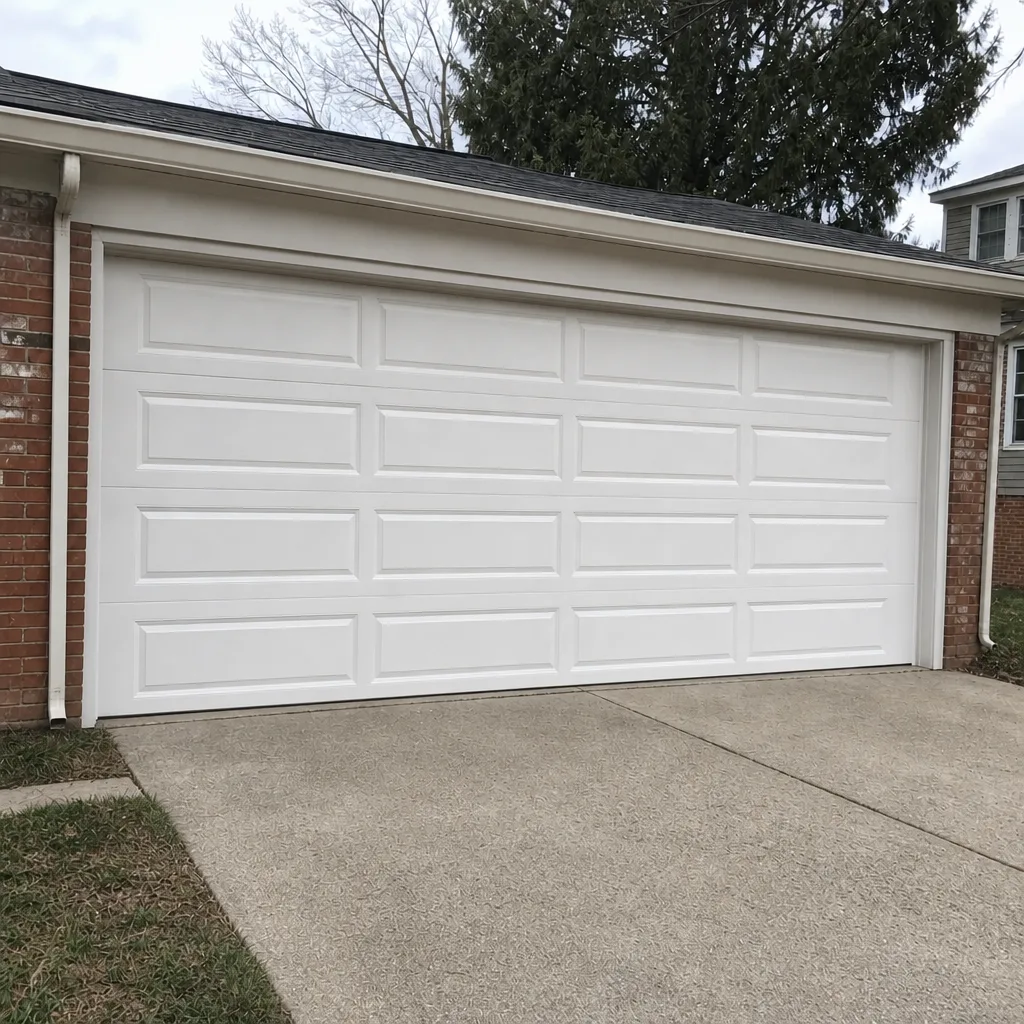 After
When to Call a Professional
Some jobs are simple seasonal checks you can do yourself, like lubricating hinges and re-testing the opener’s safety reverse. Others need a trained technician. Call for a door that’s suddenly heavy or won’t lift, a loud bang from the garage, a visible gap in a spring, a door that binds no matter how you adjust the track, a bent track or worn roller set, or an opener that behaves unpredictably outside a single hot spell. Call for a bottom seal that’s past saving before the cold arrives, and call for a door that came off its track or hung unevenly. If the door is stuck on a cold night, that’s a same-door, same-day situation and emergency service is available. Garage Door Repair Capitol Hill offers free estimates in Capitol Hill – call (855) 604-5978.
Frequently Asked Questions
Once per season is enough for most Capitol Hill homes, with a quick check of tracks, rollers, springs and seals each time. The key is timing: seal work before the first freeze, cold-rated lubrication before the hard freezes, track and roller inspection in spring after the freeze-thaw cycle. A yearly tune-up with a technician plus those seasonal checks in between covers most of what the door needs.
Springs break more often in late winter than on the coldest day, usually after a mid-winter warm snap followed by a refreeze. That contraction and expansion cycle pushes steel past its fatigue limit. Watch for a loud bang, a suddenly heavy door or a gap in a spring, and don’t operate the door if you see them. Call (855) 604-5978 for a free estimate on spring repair.
In Capitol Hill, a hot garage often triggers the opener’s thermal cutoff, so the unit shuts down to protect itself and recovers after a cooldown. If it only fails on the hottest afternoons, airflow and heat are likely the cause, not the opener. If it fails at any temperature, that points to a real fault. Call us for a free estimate if it keeps happening.
Use a cold-rated lubricant that stays viscous below 20°F on the hinges, rollers, springs and pivot points. Standard garage door sprays gel in the cold, which causes erratic opener behavior and a stiff door. Apply the cold-rated product before the hard freezes set in. If your opener still acts unpredictably, a technician can check the unit for a free estimate.
No. Fall is the right window, before the first freeze. After that, the rubber is stiff and adhesive won’t set cleanly, so the seal fits poorly and tends to fail by mid-winter. Replacing the bottom seal and side weatherstripping in fall gives you a proper fit. Call (855) 604-5978 for a free measure and written price.
Yes, once a track has a real bend or a roller set is worn through. Track and roller work changes the door’s balance, and an unbalanced door loads the springs harder. A technician can straighten or replace the track and swap the rollers in one visit. Free estimates are available at (855) 604-5978. For a new door or full replacement, see our Garage Door Repair Capitol Hill overview for what’s involved.
The Bottom Line
Capitol Hill’s climate doesn’t ask a garage door to handle one season; it asks for all of them, with real extremes and fast swings between. Summer stresses wood sections and opener heat tolerance. Fall is the deadline for seals. Winter is a lubricant problem and a spring test, with the real risk in late-winter freeze-thaw. Spring is track and roller inspection after the freeze lifts. Match your maintenance to that calendar, leave spring and track work to a trained technician, and the door holds up through the next swing. When you do need garage door installation, it’s worth planning a free measure and a written price rather than rushing it. For a free estimate in Capitol Hill, call (855) 604-5978. Our technicians have up to 8 years of experience, and we work on your brand across Raynor, LiftMaster, Chamberlain and Genie.
Written by the team at Garage Door Repair Capitol Hill.