Last updated November 21, 2026
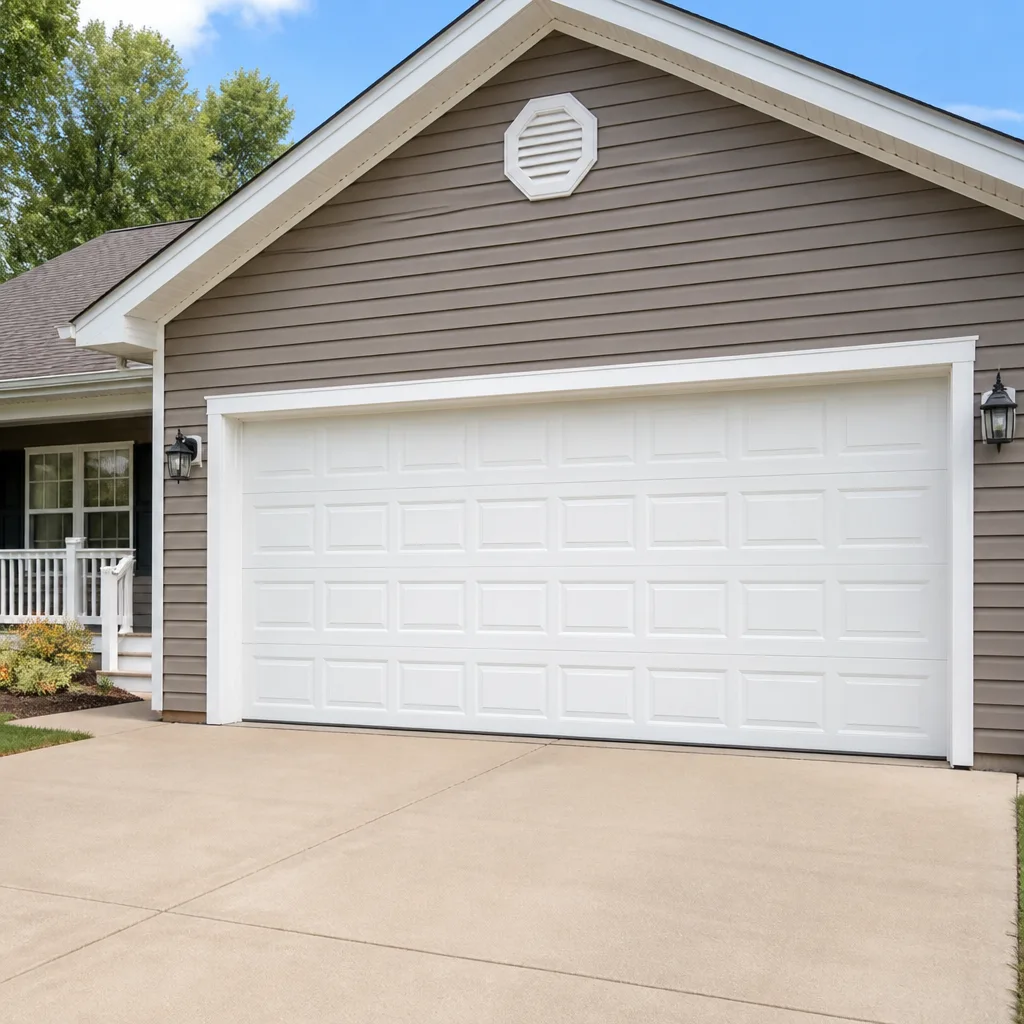 Raised-panel steel
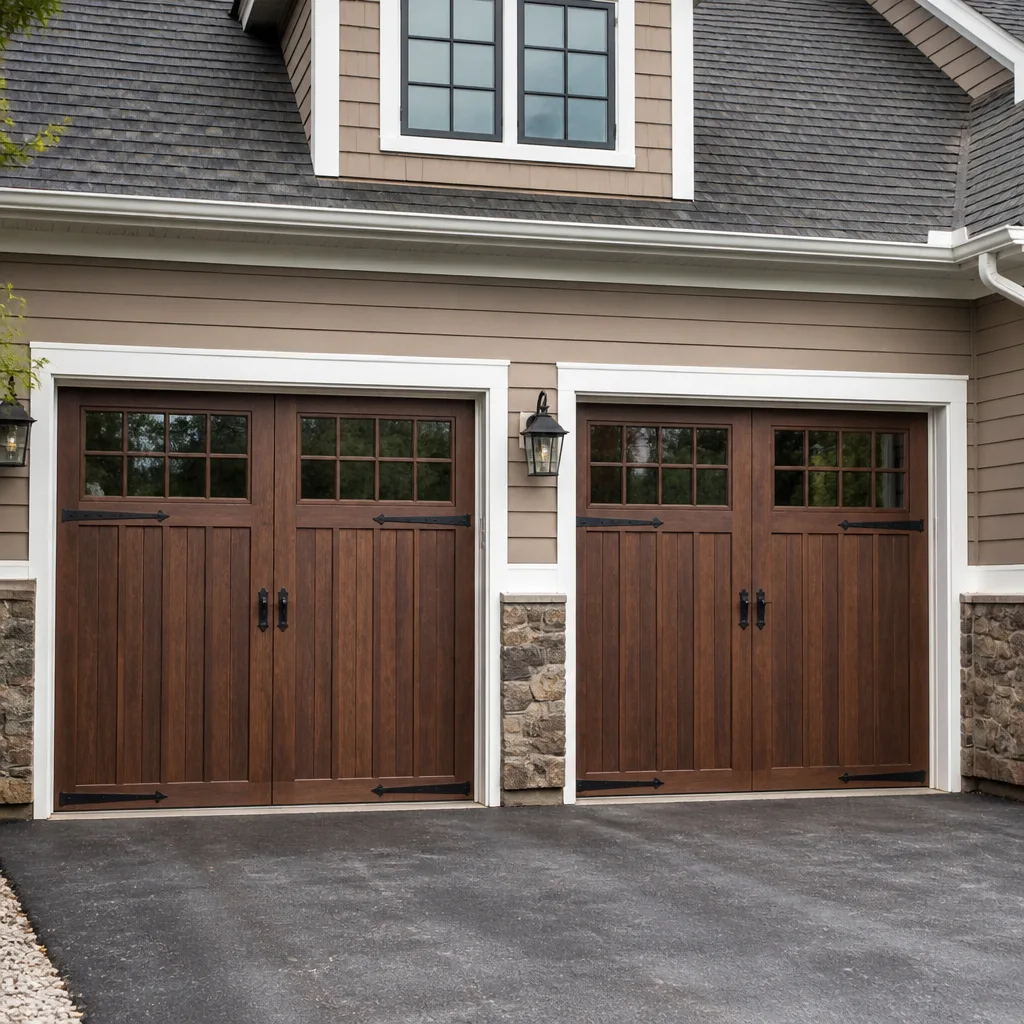 Carriage house
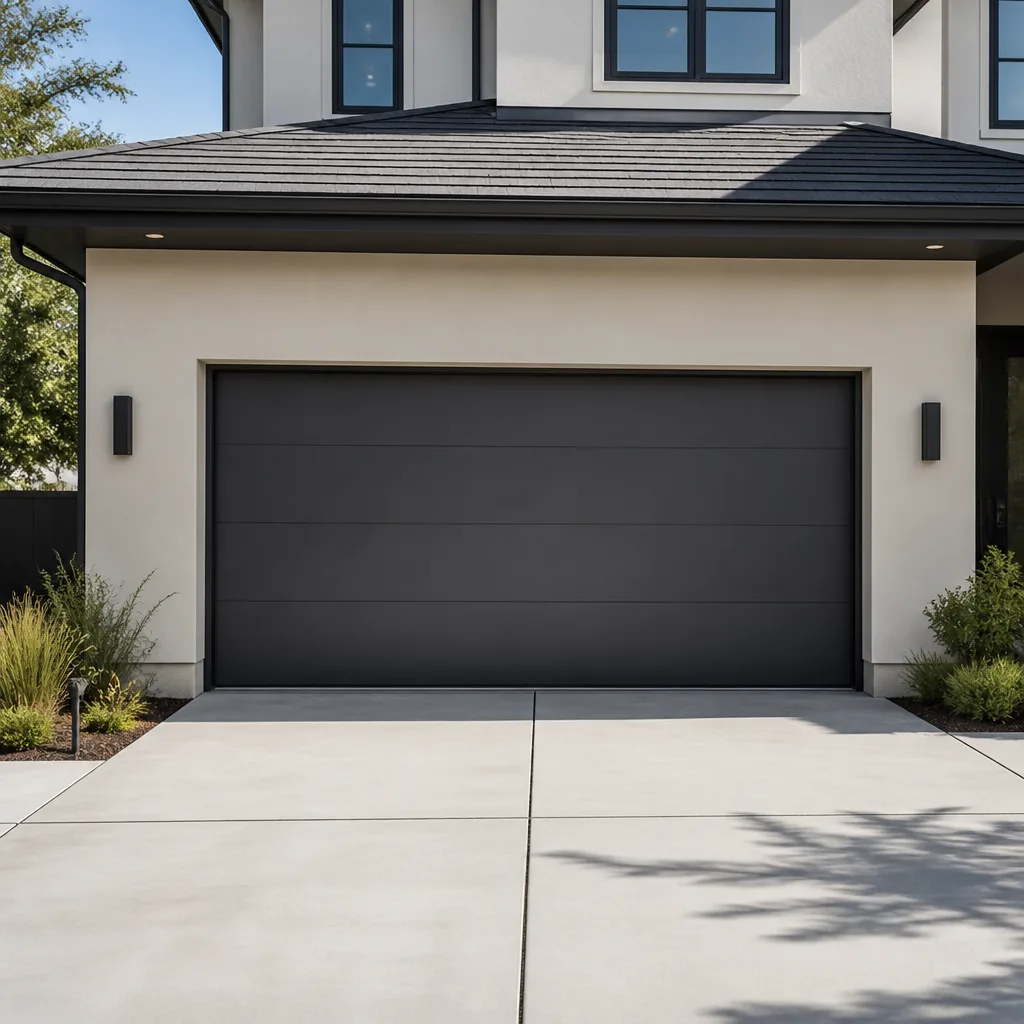 Modern flush
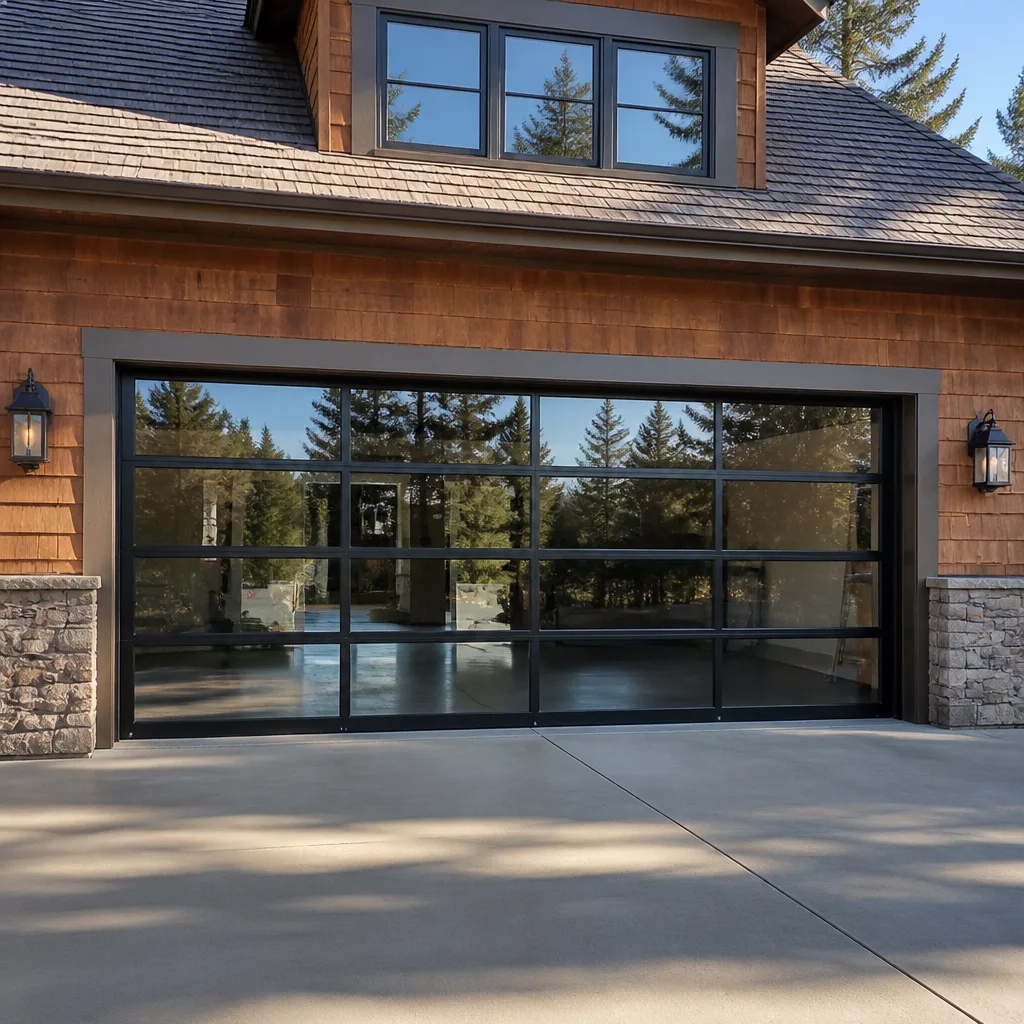 Full-view glass
 LiftMaster openers
 Chamberlain openers
Full 25-point door and opener safety check with every visit - springs, cables, rollers, tracks, and your LiftMaster or Chamberlain opener included
You get a price before we start. It does not change when the pro arrives.
Get your free estimateDIY vs Professional Garage Door: The Capitol Hill Homeowner’s Decision Guide
Most garage door advice treats DIY as a skill question: are you handy enough? That framing is wrong. Some garage door tasks punish a mistake with a five-minute redo. Others punish a mistake with a broken wrist or worse. That gap in consequences, not the gap in skill, is what should decide whether you pick up the tool or the phone. We work on doors all over Capitol Hill, and the calls we get after a failed DIY repair almost always come from the same handful of jobs. This guide sorts every common task into the ones you can safely take on and the ones that belong in a different category entirely.
Quick Answer
Homeowners can safely handle weatherstripping, remote programming, photo-eye sensor alignment, roller lubrication, and visual safety inspections. Spring work, cable work, torsion hardware, opener motor replacement, and full door installation belong with a trained technician, because a single slip can cause serious injury and because these jobs need tools and parts most homeowners don’t keep on hand. When in doubt, get a free estimate before you touch anything under tension.
Styles & brands we work with
- Raised-panel steel
- Carriage house
- Modern flush
- Full-view glass
- LiftMaster openers
- Chamberlain openers
Table of Contents
- The Physics Nobody Explains: What a Torsion Spring Actually Stores
- The Task-by-Task Breakdown
- What You Can Safely Do Yourself
- Why Capitol Hill Garages Are Harder to DIY
- Warranty and Insurance: What a DIY Repair Can Cost You Later
- Sourcing Tools and Parts in DC Without Overpaying
- Opener Decisions: When Repair Beats Replacement
- The Decision Framework: Call or Do It Yourself
The Physics Nobody Explains: What a Torsion Spring Actually Stores
A torsion spring is a wound strip of steel. The larger ones on a winding bar hold enough stored energy to cause fatal injury if the bar loses its grip. When the spring is under load, the bar can kick free of the winding cone with no warning and no way to catch it. That isn’t a caution to make you nervous about your door. It’s the mechanical reason spring work sits in its own category.
Here’s the plain version. Your door weighs somewhere between 100 and 300 pounds depending on material, size, and whether it’s a carriage-style wood door common on older Capitol Hill homes. The springs are what balance that weight so a single person can lift the door by the handle. The springs store the energy to hold that weight every moment the door is closed. That energy doesn’t leave when the door opens. It’s still in the steel, waiting to uncoil. A spring that snaps on its own releases that energy into the door panels and track. A spring you’re working on can release it into you.
With an extension spring, the risk profile is different but real. Extension springs stretch along the ceiling above the door and require safety cables to contain a break. When they fail without a cable, they whip. When they fail while you’re near them, they whip toward you.
What most homeowners don’t realize: the danger isn’t proportional to how careful you are. It’s proportional to how much energy is stored and where it goes when the grip fails. Caution doesn’t reduce stored energy. Only the winding process does, and the winding process is why this job takes specific tools most homes don’t have, and why we consider spring repair a core specialty rather than a line item.
The Task-by-Task Breakdown
Here’s how we sort garage door jobs. The left column is safe. The right column is not, for anyone, under any circumstances, without training and the right tools.
Safe for a competent homeowner
- Replacing bottom weatherstripping (the rubber seal along the floor)
- Programming remotes and re-pairing keypads
- Aligning photo-eye safety sensors
- Lubricating rollers, hinges, and the torsion bar
- Visual inspection of springs, cables, and panels
- Cleaning tracks and removing debris
- Replacing a light bulb in the opener housing
Professional only
- Torsion spring replacement or adjustment
- Extension spring replacement
- Winding or unwinding any spring
- Cable replacement or tensioning
- Replacing drums or bearing plates
- Panel replacement with a matching manufacturer profile
- Opener motor or logic board replacement
- Full door installation or removal
- Changing a bottom bracket (this is a critical safety point, since the bottom bracket carries all the cable tension)
The bottom bracket is the task we get asked about most often. Homeowners think it’s just a bent piece of metal. It’s the anchor for a cable designed to lift hundreds of pounds. If it’s damaged or you’re replacing it, that’s a professional job.
What You Can Safely Do Yourself
Several repairs really are fine for a careful homeowner. These are the tasks we’d happily walk you through over the phone, and the ones we think you should do yourself if you’re comfortable with a ladder and a screwdriver.
- Replace the bottom weatherstrip. The rubber seal wears flat over time and lets drafts and water into the garage. Pull the old seal from the aluminum retainer, clean the channel, and push in a new one. On a standard door this takes under an hour. On a Capitol Hill home with a non-standard door width, measure before you buy, since a typical 16-foot seal may not be right.
- Re-pair a remote or keypad. If the door stopped responding but the wall button works, the remote likely lost its pairing. The process varies by brand. LiftMaster and Chamberlain usually involve holding a button on the motor head while pressing the remote. A Craftsman unit from the 1990s may need a specific sequence. Check the opener’s model label, look up the pairing steps for that exact unit, and re-pair. If the remote doesn’t blink at all, it’s usually battery, not programming.
- Align the photo-eye sensors. If the door starts down and bounces back up, or the wall control has a flashing LED, the safety sensors near the floor may be misaligned. Wipe the lenses, look for a small green or amber LED on each sensor, and gently adjust each sensor until both LEDs stay lit. Loose brackets and dirt are the usual culprits.
- Lubricate the moving parts. Rollers, hinges, and the torsion bar benefit from a garage-door-specific lubricant (not WD-40) once a year. Two minutes with a spray can reduces squeaks and extends roller life.
- Do a monthly safety check. Push on the door with the opener disengaged. It should balance at roughly waist height. If it drops or rockets up on its own, the springs need professional attention.
These jobs share a quality: if you do them wrong, nothing more serious happens than a draft, a non-functioning remote, or a bouncing door. That’s the test. If a mistake means only a redo, DIY is fine. If it means a trip to the emergency room, it’s a professional job.
Why Capitol Hill Garages Are Harder to DIY
Capitol Hill’s housing stock complicates DIY in ways that don’t show up in a generic garage door guide. The neighborhood’s alley garages, carriage houses behind rowhouses, and converted carriage houses were built over a wide span of decades, and many don’t follow the dimensions a modern door standard assumes.
Opening dimensions are the first complication. Standard garage doors are made to standard opening widths and heights. A Capitol Hill garage built as a carriage house may have an opening that’s off by an inch or more in either direction. An off-the-shelf door will fit; it just needs custom framing and trim to close the gap. That’s doable, but it’s not a DIY swap.
Mixed hardware generations are the second. Many older doors in the neighborhood have had partial upgrades over the years: a LiftMaster opener installed in the 2000s, a Wayne Dalton panel replacement from a decade later, springs of uncertain vintage, and hinges that came from an earlier door. When you’re working on a mixed system, matching parts is part of the job. A Wayne Dalton hinge you buy to replace one isn’t guaranteed to work with a Raynor track, and the compatibility chart is not on the package.
Brick mounting surfaces are the third. Many Capitol Hill garages mount the track and the opener brackets to masonry. A typical install kit expects wood framing. Masonry requires specific anchors and a different drilling process. That’s a tooling problem more than a knowledge problem, but it’s a tooling problem most homeowners don’t discover until the drill bit is in the wall.
We see all three on a routine basis. None of them are reasons you can’t maintain your own door. They’re reasons to plan before you try, and to recognize when the plan is getting complicated enough that a free estimate makes more sense than a trip to the hardware store.
Warranty and Insurance: What a DIY Repair Can Cost You Later
This is the part nobody warns you about. Self-performed repairs have consequences that show up months after the job, when you file a warranty or insurance claim. The two usually fail in different ways.
What voids a door manufacturer’s warranty
Almost all door manufacturers include language about the work being done by a qualified installer. What that means in practice:
- Improper installation of springs or cables often voids the component warranty, not the whole door. But if you replaced a spring yourself and the door later fails, the manufacturer may attribute the failure to your work.
- Panel modifications, including drilling through a panel to mount something not designed for it, are a frequent exclusion. Clopay and Amarr both publish installation manuals that say so.
- Opener modifications on a LiftMaster or Chamberlain unit typically void the opener’s warranty, not the door’s, but the two policies stack.
- Altered hardware (replacing a manufacturer’s hinge with a generic one) is a common exclusion. Raynor and Wayne Dalton both require their own hardware for the warranty to stay intact.
None of this is a conspiracy. The manufacturers can’t defend a product when the installation wasn’t done to their spec. But it means a $40 DIY fix can cost you a $180 warranty callback.
What homeowner’s insurance does and doesn’t cover
Most standard homeowner’s policies cover property damage caused by a sudden mechanical failure. They rarely help with the following:
- Damage caused by a known faulty condition you didn’t fix
- Injury to a homeowner or a family member performing their own repairs (this is a health insurance issue, not a homeowner’s issue)
- The cost of redoing work incorrectly done the first time
- Long-term damage from water intrusion after a failed weatherstrip
If a DIY repair causes damage to your house or a neighbor’s car (a garage door failing closed on a vehicle is a common one), your liability coverage may cover the third-party damage but not the door itself. Check your specific policy language. That’s a conversation with your insurer, not a guess.
The clean version: warranty and insurance are where DIY becomes expensive quietly. If you’re going to touch anything that a warranty might cover, get a written estimate first. The cost of the estimate is free. The cost of a voided warranty isn’t.
Sourcing Tools and Parts in DC Without Overpaying
For the genuinely DIY-appropriate tasks, here’s where to source quality without paying big-box markups. The garage door industry has a small supply chain and a lot of the parts you want aren’t on the shelf at a general hardware store.
Weatherstripping and seals
- Garage door specialty suppliers online carry the aluminum retainer and rubber seal at better prices than most big-box stores, and they stock the specific profile for common door widths. Measure your door first. The seal comes in standard widths and cutting to fit is part of the job.
- Local garage door supply houses in the DC area stock standard seals and retainers, and you can see the profile before you buy.
Remotes and keypads
- Manufacturer-direct sites for LiftMaster, Chamberlain, Genie, and Craftsman guarantee compatibility. Buying a universal remote at a box store is faster but often doesn’t support older opener logic. The manufacturer site also lists which models work with which remotes.
- Avoid used remotes unless you can confirm the model and security technology (older fixed-code units won’t work with newer openers).
Rollers, hinges, and lubrication
- Nylon rollers last longer and run quieter than steel. Standard sizes are 2-inch and 3-inch; match your existing roller diameter.
- Garage door lubricant (not general-purpose spray) is stocked by most hardware stores and applies to rollers, hinges, and the torsion bar.
- Hinge replacement is where we’d push you to a professional. Hinges vary by manufacturer and by position (end hinges and center hinges are different). Replacing a Wayne Dalton or Raynor hinge with a generic one can void the door’s warranty and create a fit problem.
What not to source
Springs, cables, drums, bearing plates, and bottom brackets shouldn’t be bought online by the homeowner, even from a reputable supplier. The measurement, winding, and safety procedures are the job, not the part. Buying the spring doesn’t get you anywhere safe.
Opener Decisions: When Repair Beats Replacement
Openers are the most common DIY-considered job we get asked about. Replacing a wall button or re-pairing a remote is fine to do yourself. Replacing the opener motor is not. The electric part deserves some practical guidance on what to do when your opener stops working.
When repair is the right call
- The opener is under 10 years old and the door still moves smoothly
- One feature stopped working (remote, keypad, safety sensors) but the motor runs
- The opener is a brand technicians can still source parts for, including LiftMaster, Chamberlain, Genie, and Craftsman
- The door is otherwise in good shape and the opener is the only failing component
When replacement makes more sense
- The opener is older and parts are discontinued
- The logic board has failed (repair cost usually approaches replacement cost)
- The door has been upgraded (heavier panels, new springs) and the opener is underpowered
- You’re adding smart-home integration and the current unit predates the standard
For a Capitol Hill home with a modern smart opener, most service work is diagnostic rather than mechanical. For a home with a Craftsman belt-drive from an earlier era, logic board failures are the common breakdown and replacement is often the cleaner answer. For more on opener-specific repair, see garage door opener repair. The core rule: an opener diagnosed by brand and age saves time over one diagnosed by “it stopped working.”
The Decision Framework: Call or Do It Yourself
Here’s the framework we’d apply to any garage door problem before deciding DIY or professional.
- Does the task involve a spring, cable, or the bottom bracket? Professional. Stop here.
- Does it involve electricity at the opener motor or logic board? Professional for motor work. Safe for remote programming and sensor alignment.
- Does it require the door to come off its tracks or partially out of the opening? Professional. Panels and tracks are heavy and don’t hold steady once loose.
- Does a mistake mean a trip to the emergency room? Professional, regardless of how careful you are.
- Does a mistake mean a redo, a draft, or a non-functioning remote? Safe to DIY.
- Will a warranty claim depend on it? Get a written estimate before you touch anything. Free estimate beats a voided warranty.
This is the framework we use when a homeowner calls and asks whether to do a job themselves. Sometimes the honest answer is “you can handle this one, call us if it gets complicated.” Sometimes it’s “don’t touch it, and call us today.”
If you’re unsure, garage door repair includes a diagnostic conversation. For full door replacement or major repairs, see garage door installation.
Common Mistakes to Avoid
- Judging a spring by how it looks instead of by load. A spring that looks intact can still be under load. If it’s holding the door, it’s under tension. Don’t put a hand on it to check.
- Replacing a spring on one side only. Torsion and extension springs are usually replaced in matched pairs. A single new spring paired with a worn one causes uneven load and predictable early failure.
- Buying a universal remote without matching the opener. A remote that “works with most openers” often fails on older Craftsman and legacy Genie units. Match by model number.
- Skipping the safety cable on an extension spring. If your system doesn’t have safety cables, that’s a professional safety addition, not a DIY upgrade. The cable is a containment measure, not a convenience.
- Drilling into a panel to mount something. A Clopay or Amarr door warranty may not cover a panel with drilled holes. Mount to the wall, not the door.
- Ignoring a door that reverses on its own. A door that reverses when it hits an obstruction is safety-functional. A door that reverses on its own (with nothing in the way) has a real problem. Call a professional before it fails completely.
- Assuming the DC climate won’t affect the door. The Mid-Atlantic swing from hot, humid summers to cold winters is hard on springs and on the seal. If you’ve got a door that’s over a decade old and hasn’t been serviced, that’s a professional inspection.
See the difference
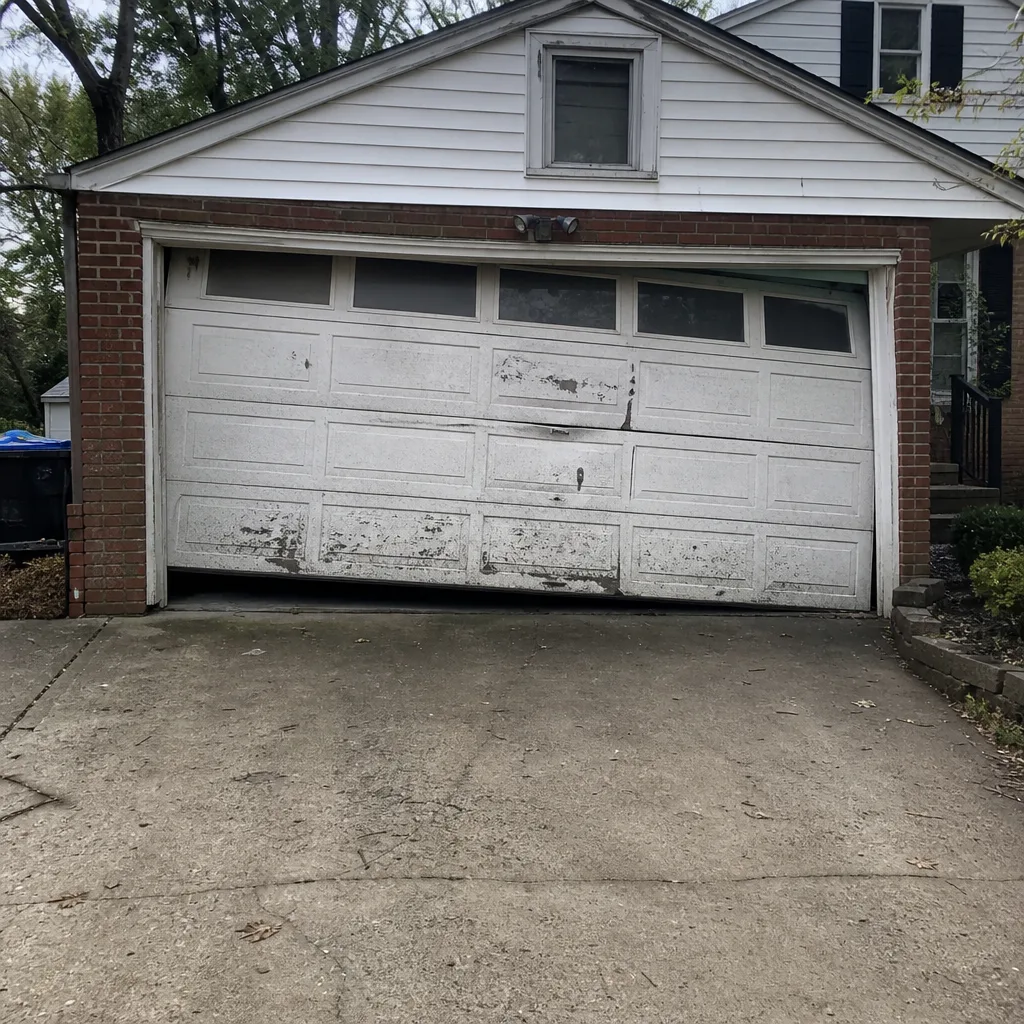 Before
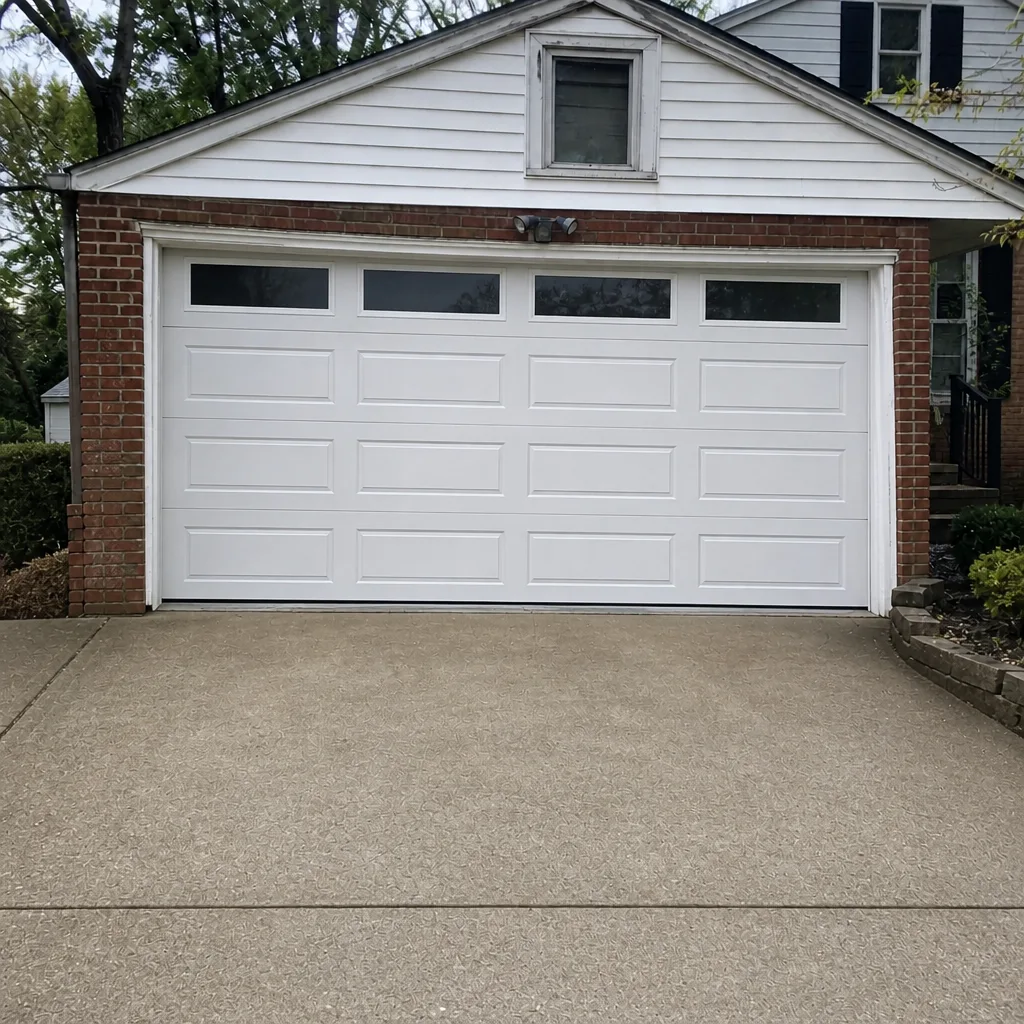 After
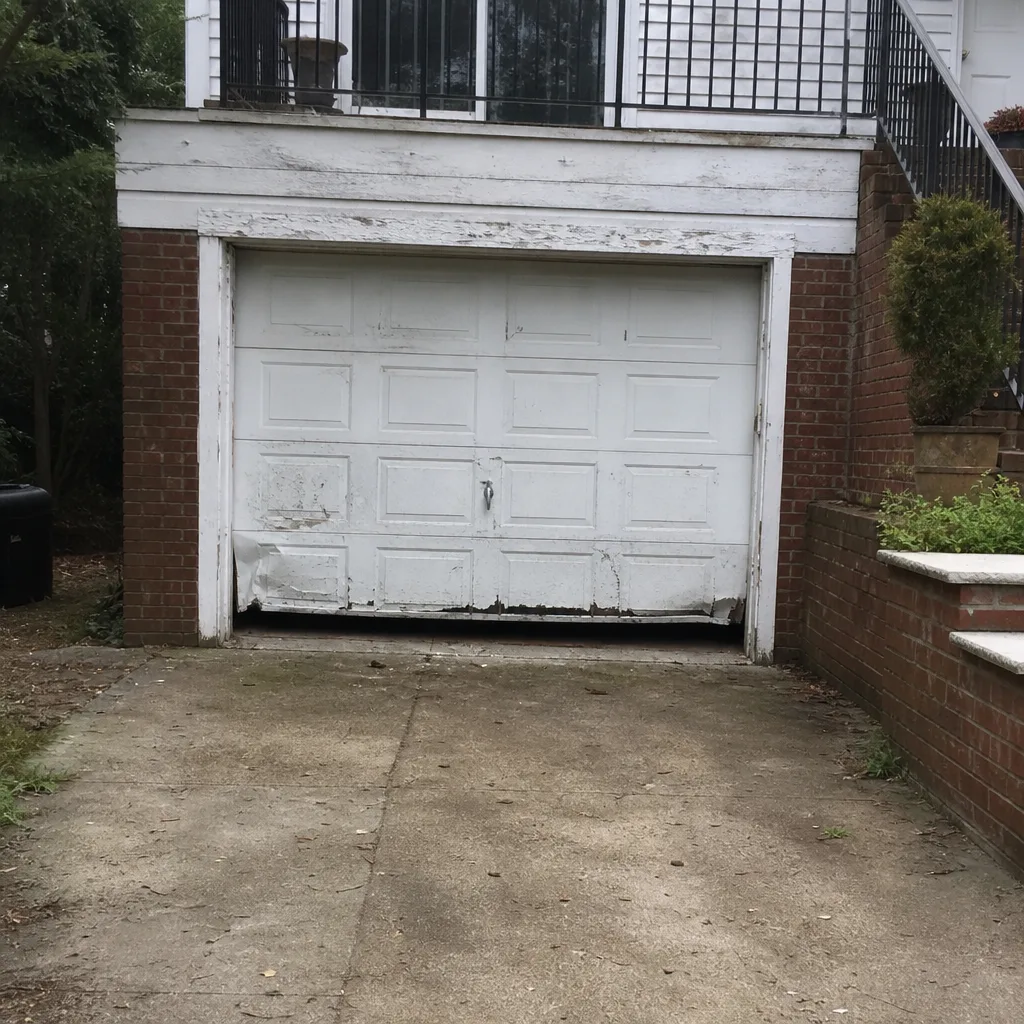 Before
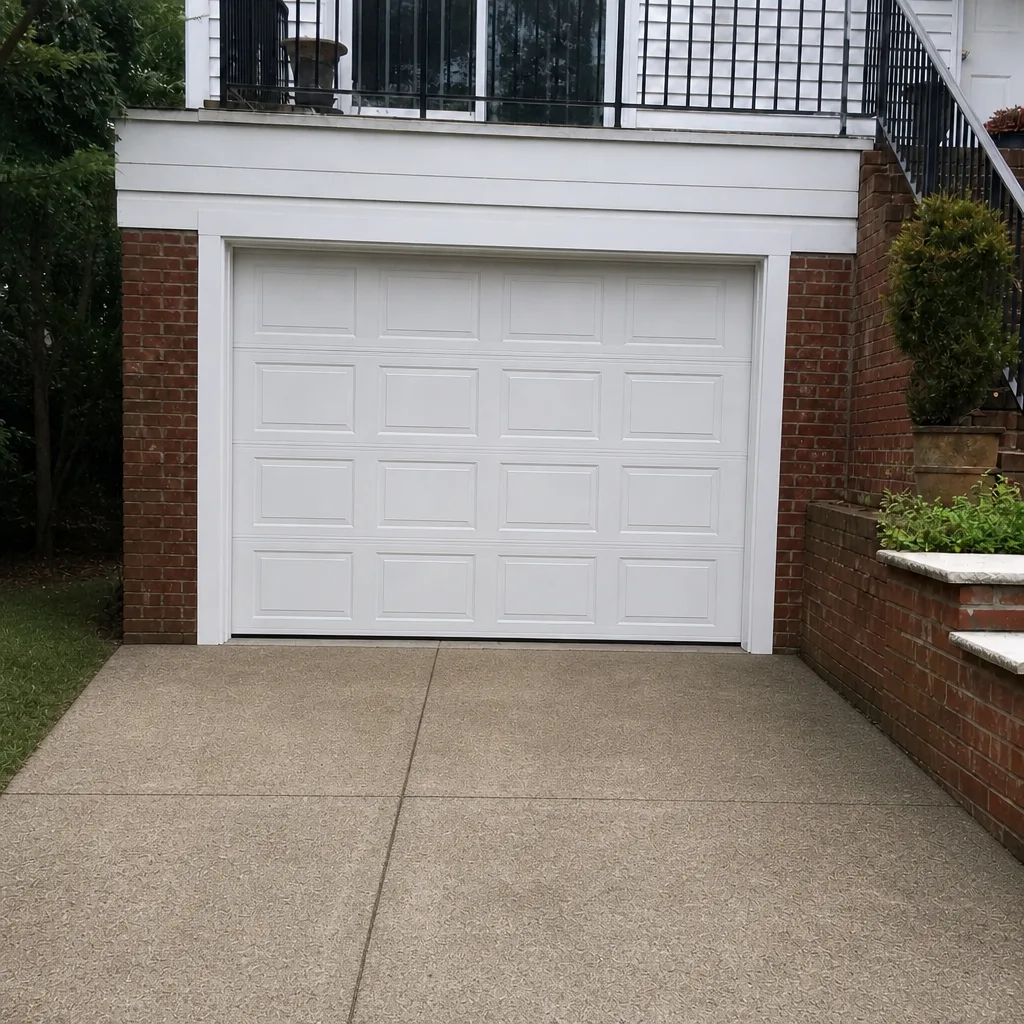 After
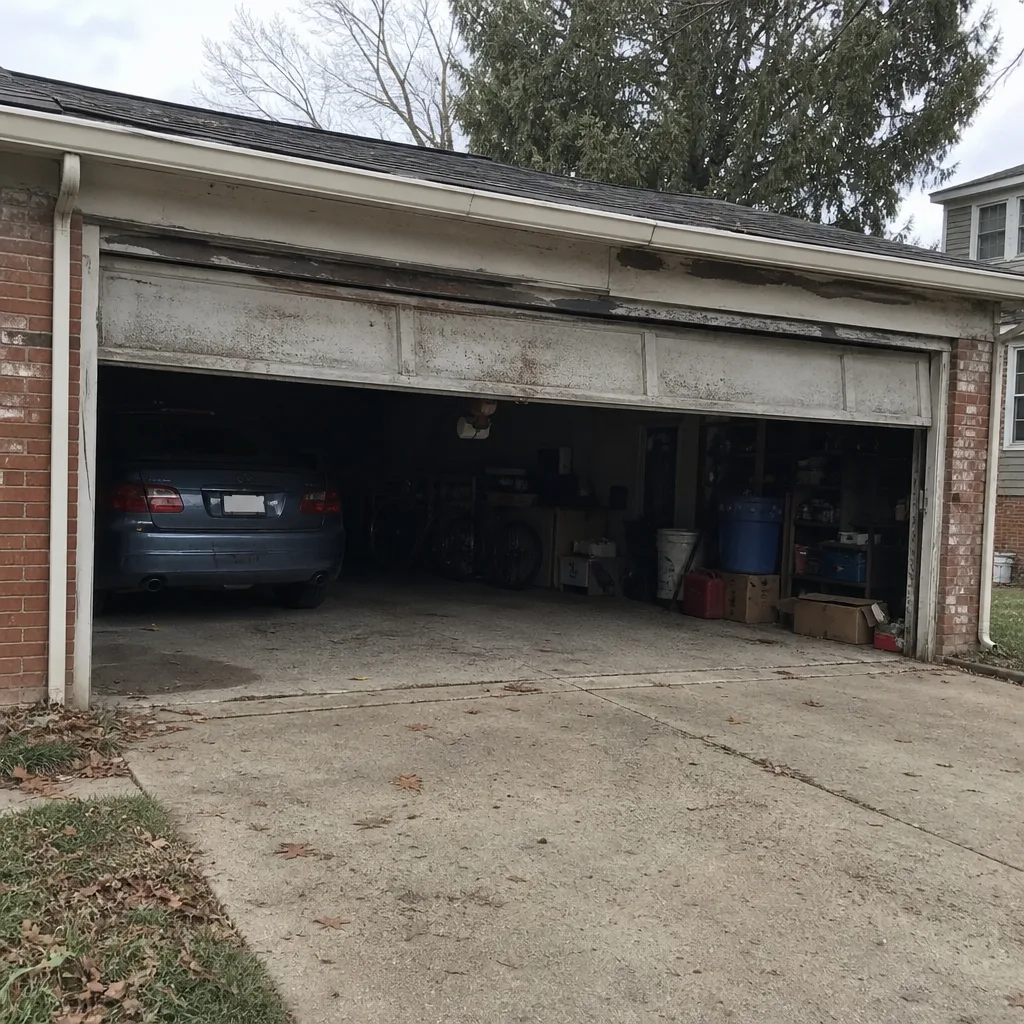 Before
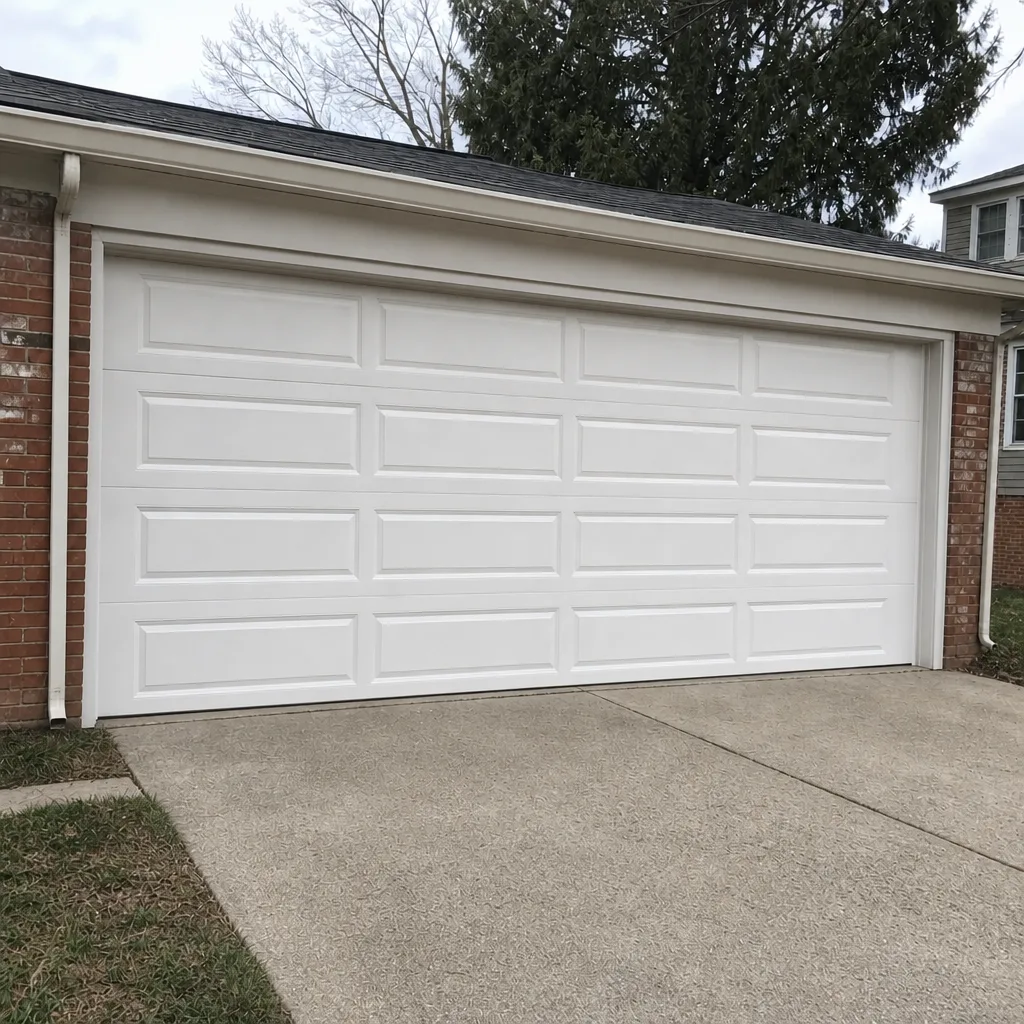 After
When to Call a Professional
Call a professional if any of the following is true: a spring is broken, the door won’t stay closed, the door is crooked or off its track, you’ve noticed a frayed cable, an opener is making a grinding sound, the door reverses without an obstruction, or you’re trying to change the door’s dimensions or replace a panel. Those are the calls that we’d make ourselves if it were our home. Garage Door Repair Capitol Hill offers free estimates in Capitol Hill, so call (855) 604-5978. Our technicians have up to 8 years of experience, and we work on the industry’s most common brands including LiftMaster, Chamberlain, Genie, Clopay, Amarr, Wayne Dalton, Craftsman, and Raynor. Emergency calls are part of what we do, so a failed door on a cold night isn’t a “tomorrow” problem.
Frequently Asked Questions
No. Torsion and extension springs store enough energy to cause serious or fatal injury, and replacing them requires a winding process and specific tools most homeowners don’t have. This is the single task we’d put in a different category from everything else, because a slip here isn’t a redo. Call (855) 604-5978 for a free estimate.
You can safely replace weatherstripping, program remotes and keypads, align photo-eye sensors, lubricate rollers and hinges, and do a visual safety inspection. Anything involving springs, cables, the bottom bracket, the opener motor, or removing a panel belongs with a professional. When in doubt, get a free estimate before you touch anything under tension.
It can. Most manufacturers require installation to their published specifications, and self-performed spring, panel, or hardware work often voids the component warranty or the whole-door warranty. Check the installation manual for your specific brand before you touch anything, and get a written estimate from a professional for anything the warranty covers.
Usually not the door itself. A standard policy typically covers sudden mechanical failure but may not cover damage from a known faulty condition or the cost of redoing an incorrect repair. Third-party damage (a door coming down on a neighbor’s car) usually falls under liability coverage, but check your own policy language. This is a question for your insurer.
Opening dimensions, mixed hardware generations, and brick mounting surfaces are the three recurring complications in Capitol Hill. Many neighborhood garages were built as carriage houses or alleys off older rowhouses, and their openings don’t always match modern door standards. Track and opener mounts on brick need specific anchors and drilling. All of this is workable, but it’s the kind of work that rewards a professional assessment before you buy parts.
We don’t recommend it. A new door weighs 100 to 300 pounds, needs to be balanced with the springs and cables by a trained installer, and has to fit the opening within tolerance for the warranty to stay intact. On a Capitol Hill door with non-standard dimensions or brick mounting, the fitting process alone is a professional job. Call (855) 604-5978 for a free measure and a written price. Installation is measured, ordered, and scheduled, so there’s no rush pricing.
The Bottom Line
The DIY-vs-professional question isn’t about your skill level. It’s about which tasks have asymmetric risk, where a mistake means a broken wrist instead of a redo. Weatherstripping, remote programming, sensor alignment, lubrication, and visual checks are safe for any careful homeowner. Springs, cables, bottom brackets, opener motors, and full door installs are professional-only, for good reasons. On Capitol Hill, older housing stock and mixed hardware add complications that make a professional assessment worth the call. If you can’t tell which category a job falls into, ask us. A free estimate is cheaper than the alternative.
For everything from a single spring to a full new door, we cover the whole system: door, springs, opener, and hardware. We fix by brand, not by guesswork, and we work on your brand whether it’s LiftMaster, Chamberlain, Genie, Clopay, Amarr, Wayne Dalton, Craftsman, or Raynor. See Garage Door Repair Capitol Hill for the full range of what we do.
Get a Free Estimate
Call (855) 604-5978 for a free estimate. Whether you’re deciding whether to DIY or you’ve already got a broken spring, a stuck door, or an opener that stopped working, we’ll diagnose the issue, explain the options, and quote a price before any work starts. Emergency service is available for situations where waiting isn’t safe. We can work with your schedule and your insurer, and the written estimate is the final price. Same door, same day, and a technician who already knows your brand.
Written by the team at Garage Door Repair Capitol Hill.