Last updated November 21, 2026
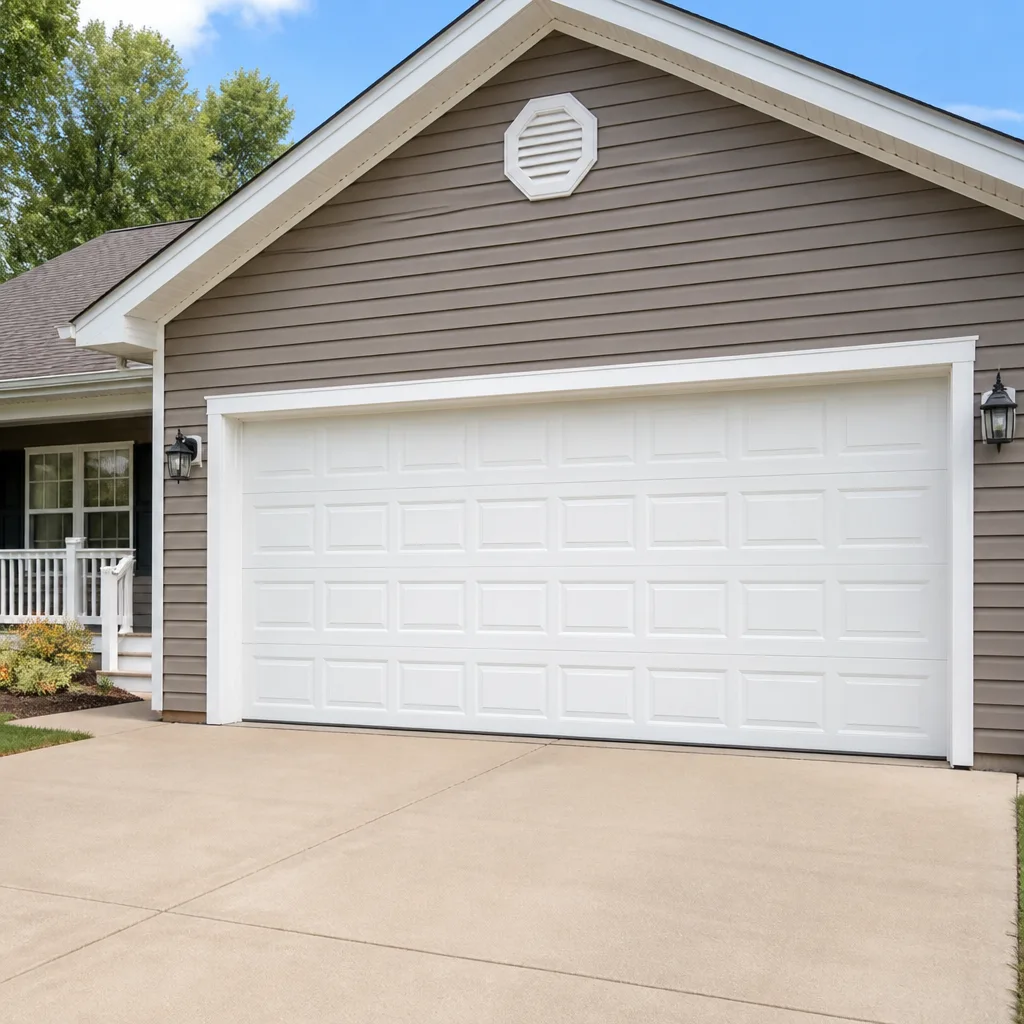 Raised-panel steel
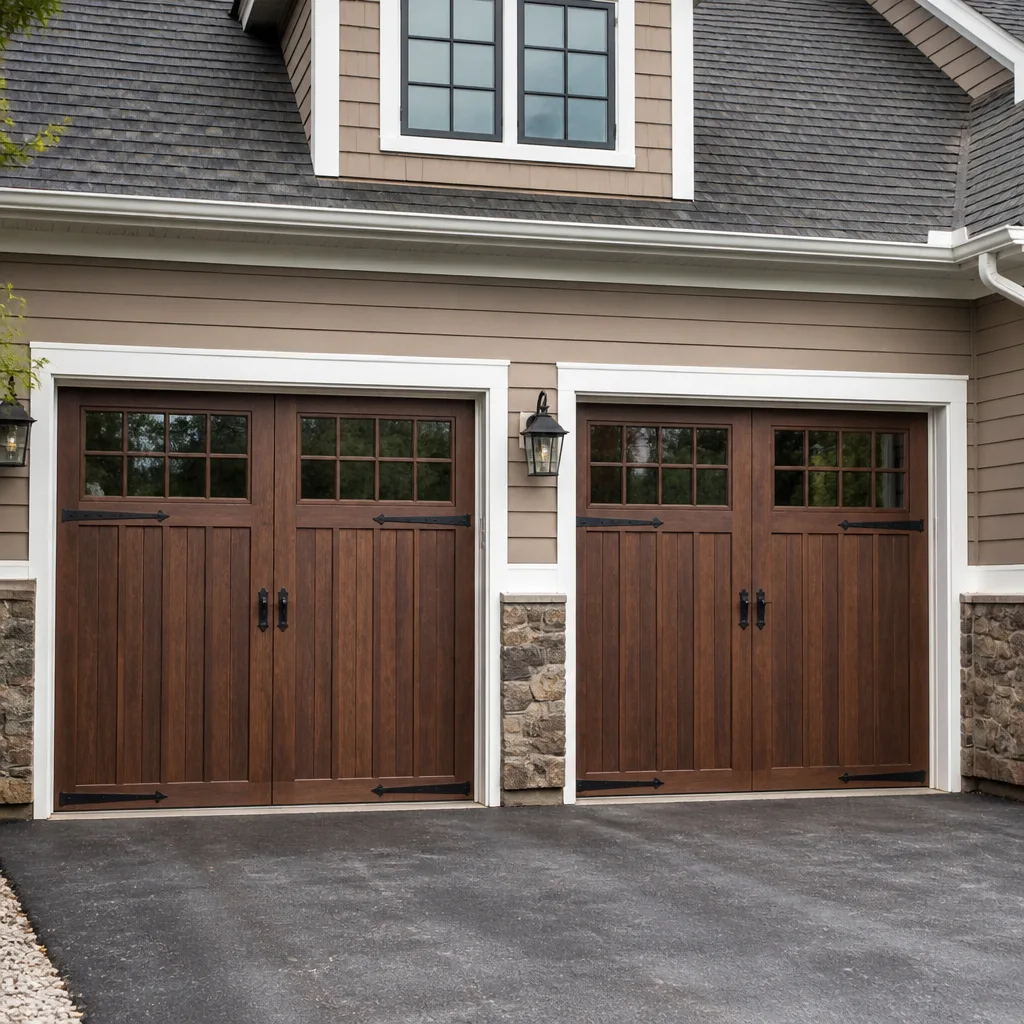 Carriage house
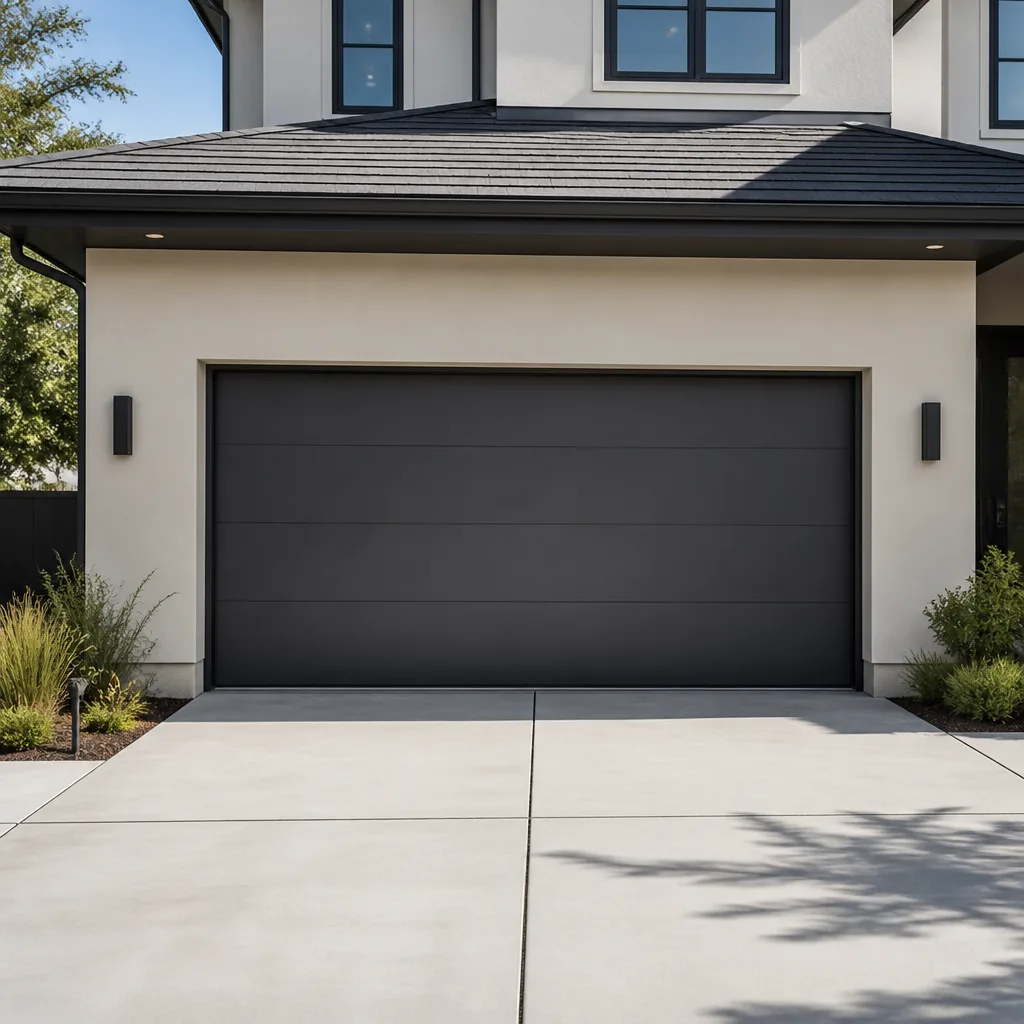 Modern flush
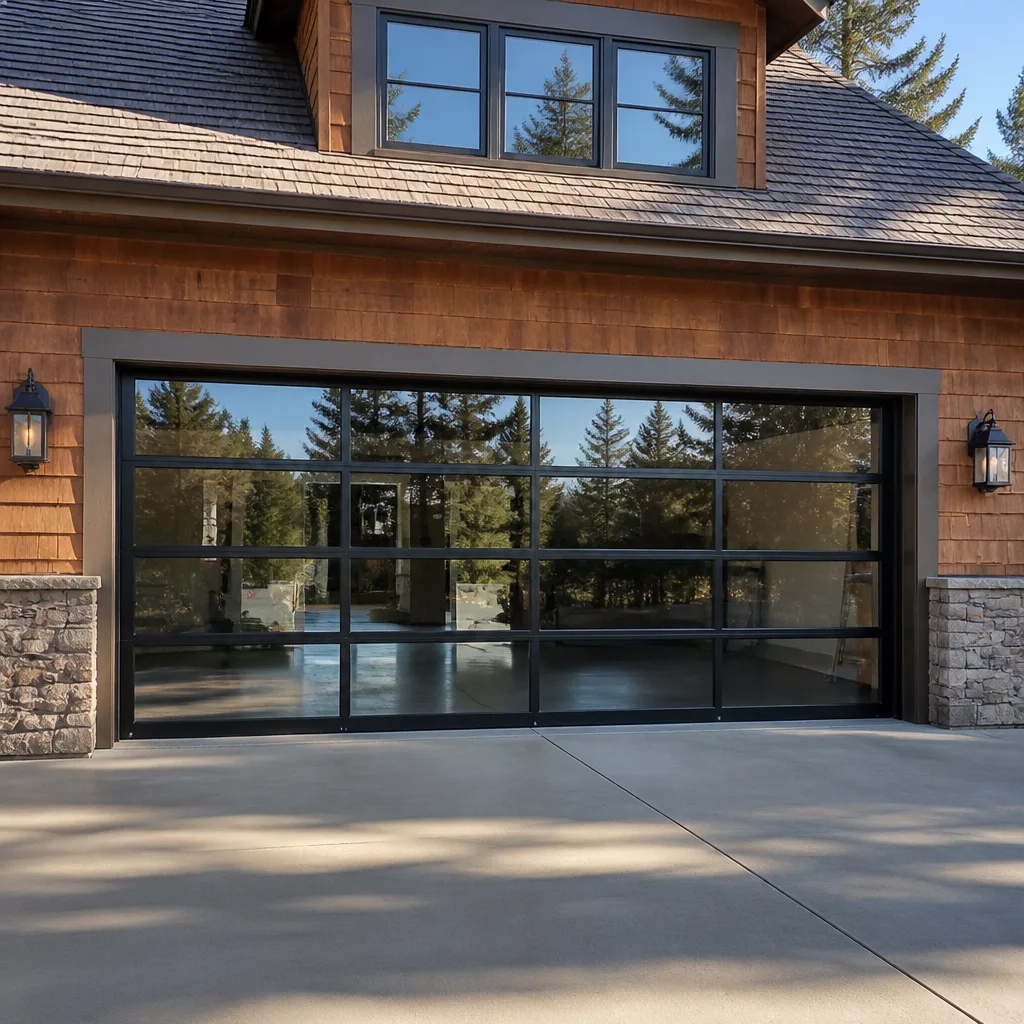 Full-view glass
 LiftMaster openers
 Chamberlain openers
Full 25-point door and opener safety check with every visit - springs, cables, rollers, tracks, and your LiftMaster or Chamberlain opener included
You get a price before we start. It does not change when the pro arrives.
Get your free estimateGarage Door Permits, Codes & Inspections in Capitol Hill, DC: What You Need to Know
Most Capitol Hill homeowners assume a new garage door is a simple product swap. It usually is, until the opening itself changes. Widen or raise an opening, and the work moves into a different category: a DC building permit, sometimes a historic review, and a licensed contractor on the record. The tricky part is that the approval layers don’t travel together. A historical sign-off says nothing about structural code, and a contractor’s license doesn’t shift permit liability onto the contractor. This guide walks through when a permit applies in Capitol Hill, how the historic review works in practice, and what a DC inspection actually looks for, so you can plan a project without a stop-work order landing on it.
Quick Answer
In Capitol Hill, DC, replacing a garage door like-for-like usually needs no DC building permit, but any change to the opening’s size, structure, header, or framing generally does. If the property sits in the Capitol Hill Historic District, exterior door changes and opening modifications also go through the Historic Preservation Office for a certificate of appropriateness. Design review and structural code are separate processes, and both can apply to the same door.
Styles & brands we work with
- Raised-panel steel
- Carriage house
- Modern flush
- Full-view glass
- LiftMaster openers
- Chamberlain openers
Table of Contents
- When does a garage door project need a DC permit?
- How does the Capitol Hill Historic District review process work?
- Historic design guidelines vs. structural code: two separate gates
- Can you pull the permit yourself, and when must a licensed contractor?
- What happens during a DC building inspection?
- Do garage door openers and electrical work need permits?
- How Capitol Hill rowhouse construction changes the picture
- Step-by-step: permitting a garage door project in Capitol Hill
When does a garage door project need a DC permit?
A DC building permit is generally required when a garage door project changes the building itself, and generally not required when it only replaces existing parts with equivalents. That’s the working rule. The details matter, though, and the District’s building department is the authority on any specific address, so a quick call before you order anything is worth the time.
The dividing line is whether the work alters the opening or its surrounding structure. Swapping panels, springs, tracks, or an opener onto an existing, unchanged opening typically sits on the maintenance side. Cutting into the header, reframing jambs, widening or heightening the opening, or converting a carport to an enclosed garage all involve structural work and building code, which is where permitting comes in. This is the kind of question we walk through with Capitol Hill homeowners regularly, and a quick call to the DC building department usually settles it faster than a forum thread.
Projects that usually need a permit
- Widening, heightening, or changing the shape of a garage opening
- Modifying or replacing a structural header or load-bearing framing around the opening
- Converting a carport to an enclosed garage, or a garage to living space
- Adding a new garage structure or a new opening in an existing wall
- Changing the door type in a way that requires the tracks and framing to be reconfigured
Projects that usually don’t
- Replacing a door with the same size, same opening, same general configuration
- Spring, cable, roller, hinge, and track hardware repair
- Opener replacement on an existing circuit, in most cases
- Cosmetic panel replacement or repainting
Notice the phrasing: “usually.” An older Capitol Hill rowhouse garage may have been framed in a way that wasn’t originally permitted, and correcting that can bring the project into scope. It’s the sort of thing that surfaces during a routine garage door repair visit.
How does the Capitol Hill Historic District review process work?
The Capitol Hill Historic District is a locally designated historic district, and that adds a review layer that has nothing to do with the building code. Any exterior change visible from the street, including the garage door on a street-facing carriage house or alley garage, may need a certificate of appropriateness from the Historic Preservation Office before you can pull the related building permit. A certificate of appropriateness is the agency’s formal sign-off that the proposed work fits the district’s design standards.
What the review is judging
The Historic Preservation Office is looking at the design question, not the structural one. Style, material, proportions, glazing pattern, and finish all come into play. A door that matches the character of the block is easier to approve than a modern full-view aluminum door on a modest brick carriage house, even when the new door is a better product. In our experience with Capitol Hill projects, homeowners who bring a product spec sheet and a photo of the existing door to the review get clearer answers faster than those who bring a catalog.
How the review usually goes
- Confirm the property is in the district. Historic designation follows property lines, not block shapes, and blocks in Capitol Hill are often mixed.
- Check whether the door is visible from the street or a public way. The same door on a rear-facing alley garage can get a different review than one facing the street.
- Prepare a submittal that shows the existing door and the proposed replacement, including manufacturer, model, material, color, and glazing.
- Submit to the Historic Preservation Office and respond to any comments from staff or a commission review.
- Once a certificate of appropriateness is issued, the building permit can move forward.
For a straightforward like-for-like replacement that needs no building permit, the historic review may still be triggered by the exterior change, so don’t assume that “no permit needed for the door” means “no review needed for the door.”
Historic design guidelines vs. structural code: two separate gates
Historic design guidelines and structural code are different review processes that can apply to the same garage door at the same time. The design guidelines govern appearance. Structural code governs whether the opening and its surroundings are safe and built to the District’s adopted standards. Passing one does not mean you’ve satisfied the other, and this is one of the most common sources of project delay in Capitol Hill.
What each one actually governs
- Historic design guidelines: material, color, pattern, proportion, glazing, hardware appearance, street-facing visibility.
- Structural code: header sizing, framing, anchorage, wind and impact provisions the District adopts, and how the opening connects to the wall and foundation.
A familiar example is a homeowner who buys a heavier insulated door, gets historic approval for the style, and then learns the existing header or the framing around the opening needs strengthening to carry it. The design was approved; the code still applies. We see the reverse too: a structurally simple replacement that meets code but fails design review because the panel pattern or color is out of step with the block. Both reviews have to clear, and neither one substitutes for the other.
Practically, the sequencing works better if you settle the design question before ordering, then let the structural question drive the installation details. Doors from Clopay and Amarr, for instance, come in both historically sympathetic styles and heavier insulated builds, and which you choose changes what the framing needs. If you want to understand what the door change actually involves on the install side, our page on garage door installation covers it.
Can you pull the permit yourself, and when must a licensed contractor?
Washington, DC allows a homeowner to pull a permit for work on their own primary residence in many cases, but the permit is only valid if the work is done to code and, where the District requires it, by someone appropriately licensed. For garage door structural work involving framing, headers, or electrical circuits, a licensed contractor is generally involved, and the permit needs to be pulled correctly so the inspection record is clean when the property is later sold.
Who is legally allowed to do what
- Like-for-like door replacement with no structural work: often no permit; the installer’s own licensing and insurance are what you’re relying on.
- Structural opening change: the permit needs to name the applicable licensed contractor, and the inspector will expect to see that party’s work.
- Electrical work for an opener circuit: typically requires a licensed electrical contractor even when the homeowner could otherwise permit the project.
- Homeowner-permitted work: the District has owner-occupancy conditions attached; confirm with the building department before assuming it applies to your address.
The reason this matters: a permit pulled under one party’s name and executed by another is a common way projects fall apart at inspection. It also matters at sale, when an open permit or a mismatched record shows up in a title search. A few minutes confirming who’s on the record is worth more than a rushed start date.
What happens during a DC building inspection?
A DC building inspection for garage door work is a check that the constructed opening matches the permitted drawings and meets the adopted building code. The inspector is not evaluating how the door looks, how smoothly it operates, or whether the opener pairs with your phone. The inspector is checking the structural system, the anchorage, and whether the work matches what was approved.
What the inspector typically checks
- The opening’s dimensions against the approved plan.
- Header and framing size, spacing, and connections.
- Anchorage to the existing structure, especially on older masonry walls common in Capitol Hill rowhouses.
- Guardrails, weatherproofing, and code-required safety features around the opening.
- Electrical work, if the opener circuit was part of the permitted scope.
How to prepare
- Have the approved drawings on site and a clear path to the opening.
- Make sure any rough framing is visible and not covered by finish work before the relevant inspection.
- Confirm the contractor and any subcontractors expected on site match the permit.
- Separate the door installation from any inspection-critical work so a schedule slip on the door doesn’t hold up a framing inspection.
On the door itself, the inspection usually has no opinion. Once the structural work is signed off, spring tension, door balance, and safety reversal are our job, not the inspector’s. If anything in the check turns up a mechanical problem, that’s the kind of thing we sort out on a follow-up visit. Our garage door repair Capitol Hill team handles the door-system side of the project after the structural work clears.
Do garage door openers and electrical work need permits?
In most cases, replacing a garage door opener on an existing circuit doesn’t require a building permit. Running a new circuit to a garage that didn’t have power, adding outlets, or making changes to the electrical service does, and that work generally needs a licensed electrical contractor regardless of who pulls the permit. A permit pulled by a handyman for electrical work is not a permit.
Openers are also a place where the brand matters, both for repairs and for planning the work. LiftMaster, Chamberlain, Genie, and Craftsman units each have their own logic, wiring conventions, and safety-reversal calibration, and a technician who knows the model can usually tell you within a few minutes whether an opener is worth repairing or replacing. If your opener is on a legacy system and you’re thinking about a smart-home unit, our garage door opener repair team can talk through whether the electrical work is a swap or a new circuit. That distinction is often what triggers the permit.
When an opener project crosses into permit territory
- New dedicated circuit run from the panel to the garage
- Panel work to free up capacity for the new circuit
- Adding outlets or lighting in the garage as part of the project
- Rewiring an older garage with knob-and-tube or degraded wiring
None of those is a door problem. They’re electrical scope, and they change the permitting picture.
How Capitol Hill rowhouse construction changes the picture
Capitol Hill’s housing stock is a real factor in how a garage door project is planned. Not every block is built the same way. The brick rowhouses, carriage houses, and alley garages that give the neighborhood its character were built across different decades, and the masonry, headers, and openings vary from one property to the next. A project that would be routine in a newer subdivision can require more investigation here.
Where the surprises tend to hide
- Masonry openings: older brick or stone openings can have headers that were adequate for a wooden carriage door but not for a heavier modern unit.
- Alley garages: rear-facing garages facing an alley get a different level of historic review than street-facing carriage houses, but the structural code still applies.
- Prior alterations: it’s not unusual for an opening to have been modified before, sometimes without a permit. Any new work has to reckon with that history.
- Setback and lot constraints: tight alley access can affect what equipment and installation method is practical, which can influence the kind of door that makes sense.
None of this is a reason to avoid the project. It’s a reason to plan for an on-site look before committing to a door model, especially on an older Capitol Hill rowhouse. Our technicians have up to 8 years of experience, and the assessments they do on this kind of housing typically flag the framing and header questions early, while there’s still time to address them in the permit drawings.
Step-by-step: permitting a garage door project in Capitol Hill
The order of operations matters because a misstep in one step can trigger a redo of another. Here’s the sequence we suggest to Capitol Hill homeowners working through a project that involves both historic review and a DC permit.
- Confirm the property is in the historic district. Historic designation follows property lines, and Capitol Hill blocks are often mixed. The Historic Preservation Office is the source of truth.
- Define the scope precisely. Same door, same opening, same configuration is a different path from a wider, taller, or reconfigured opening. Write it down before you call anyone.
- Get a licensed assessment. A technician should look at the header, framing, and opening before you choose the door. Choosing a heavier door first and finding out after the fact that the header needs work is the most common source of project delay in our experience.
- Start the historic review. For work affecting the exterior, submit the door specifications to the Historic Preservation Office for a certificate of appropriateness. Gather the manufacturer, model, material, color, and glazing details up front.
- Pull the DC building permit if structural work is involved. The permit needs to be pulled by the licensed party doing the work, and the drawings should reflect the door and its supporting framing.
- Schedule inspections at the right phase. Framing and any structural work should be inspected before the door goes in if the door will cover the inspected work.
- Install the door and the system. Springs, opener calibration, and safety reversal are the door-side pieces and come after the structural sign-off.
One practical note: if the door needs to come out for structural work, plan for the garage to be open to the weather for the duration of that phase. In a Capitol Hill rowhouse garage, that can mean arranging for alternate parking and securing the opening so the house isn’t exposed.
Common Mistakes to Avoid
- Assuming a door replacement never needs a permit. The size and configuration matter more than the word “replacement.” A same-size swap is a different path from an alteration that changes the dimensional opening.
- Treating historic review as a building-code matter. They’re separate processes run by separate offices. Passing one doesn’t advance you on the other, and many Capitol Hill projects need both.
- Ordering the door before the header is checked. A heavier or differently sized door can change the framing requirements. Ordering first can leave you holding product that doesn’t match an inspector’s drawings.
- Letting one party pull the permit while another does the work. A permit in one name with work by another is a classic reason a project fails at inspection, and it can complicate things at sale.
- Missing the historic district boundary. Capitol Hill blocks are mixed, and a property one door away from yours can have a different review requirement. Verify your own address rather than a neighbor’s.
- Planning electrical work as if it’s a door swap. A new circuit or panel work is electrical scope and needs an electrical contractor. A permit pulled under the wrong trade is not a substitute.
- Forgetting to close out the permit. An open permit on a Capitol Hill rowhouse can surface during a title search. Close it out once the work is inspected and approved.
See the difference
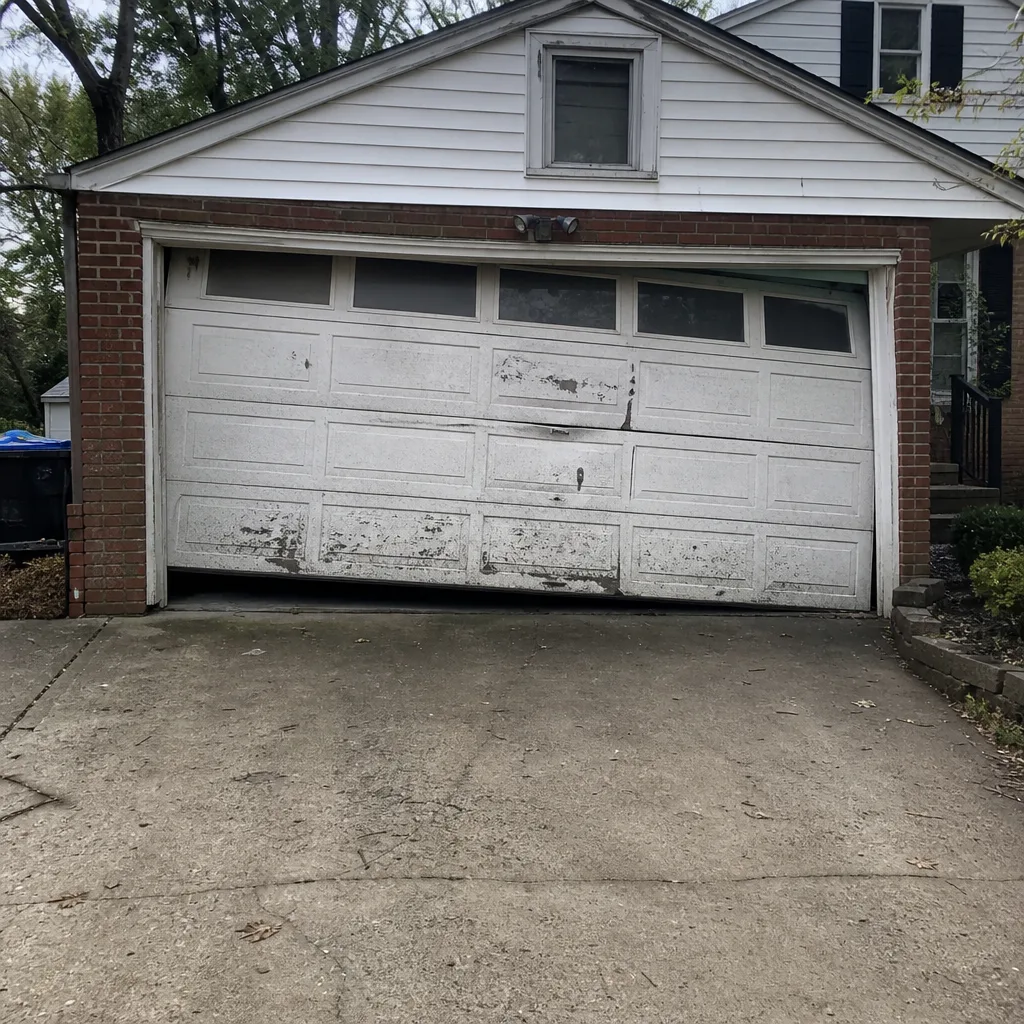 Before
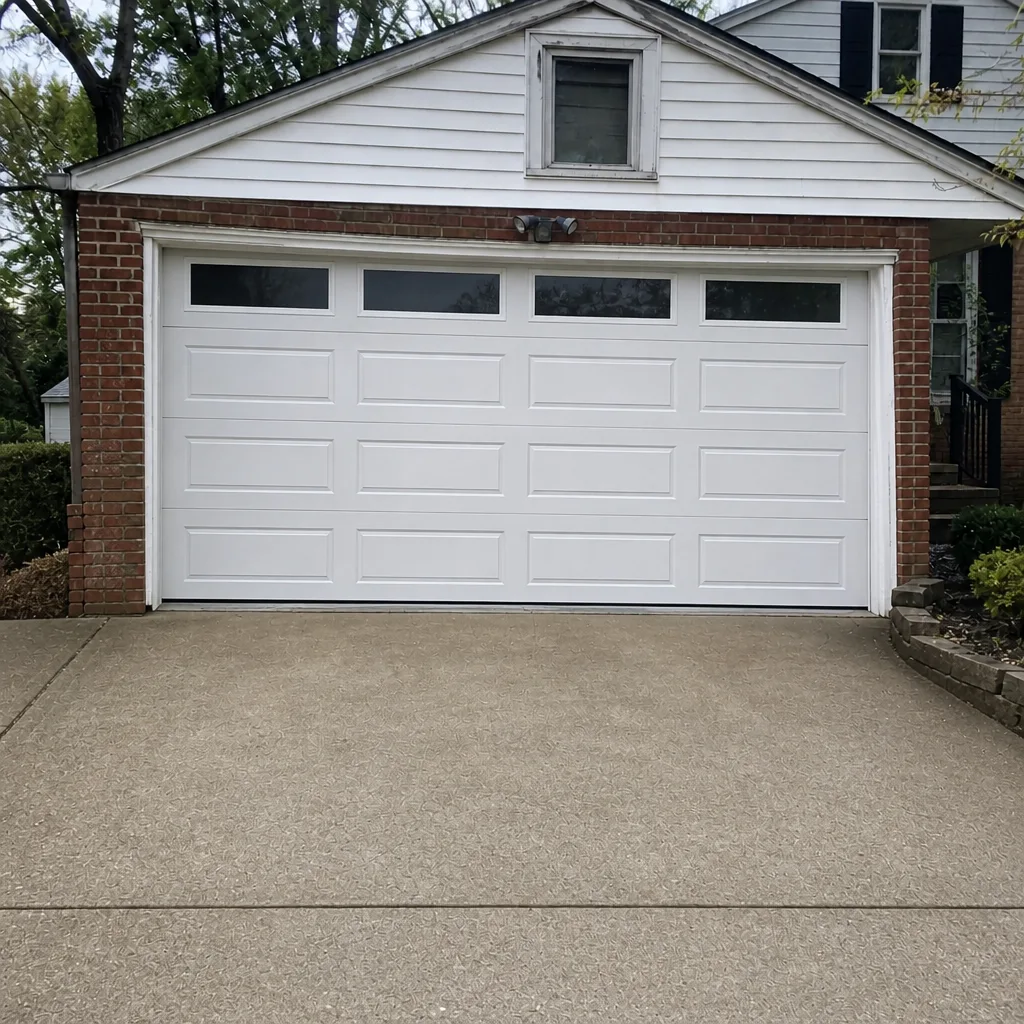 After
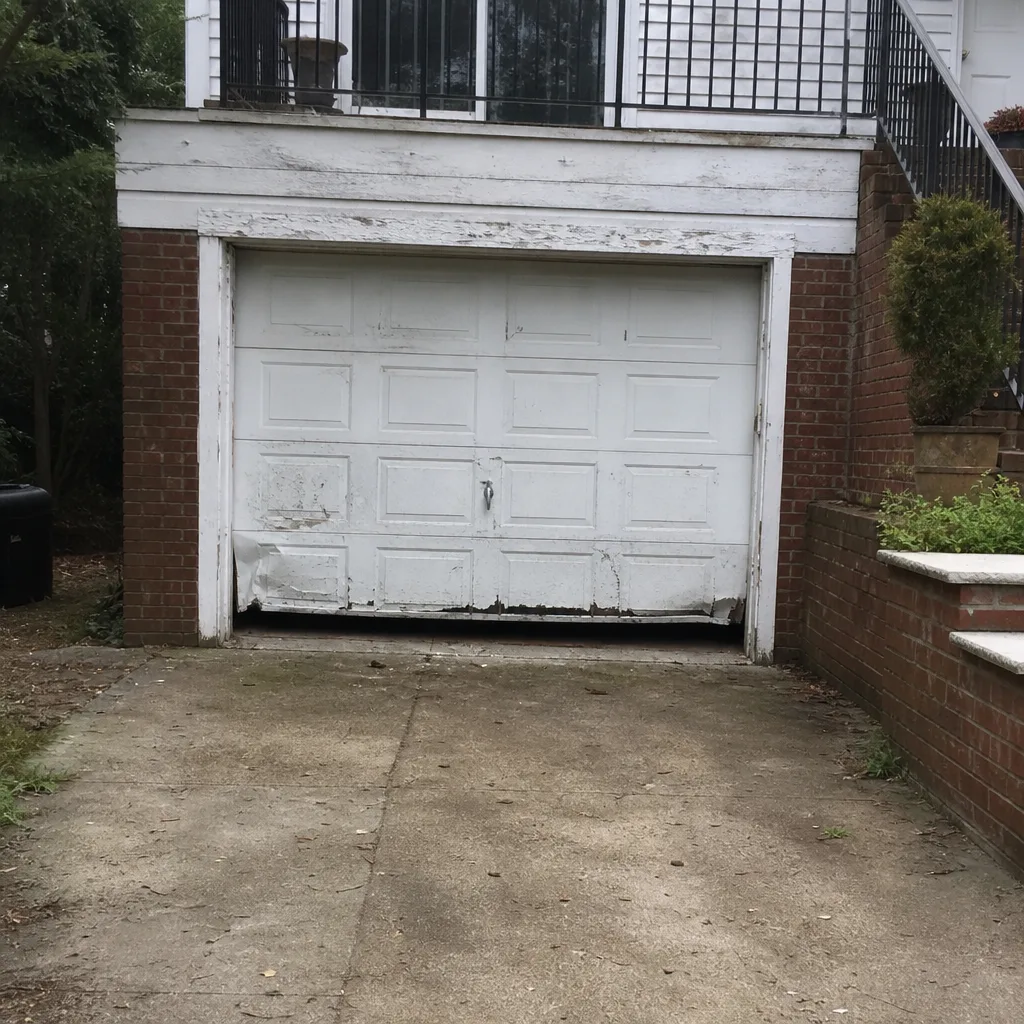 Before
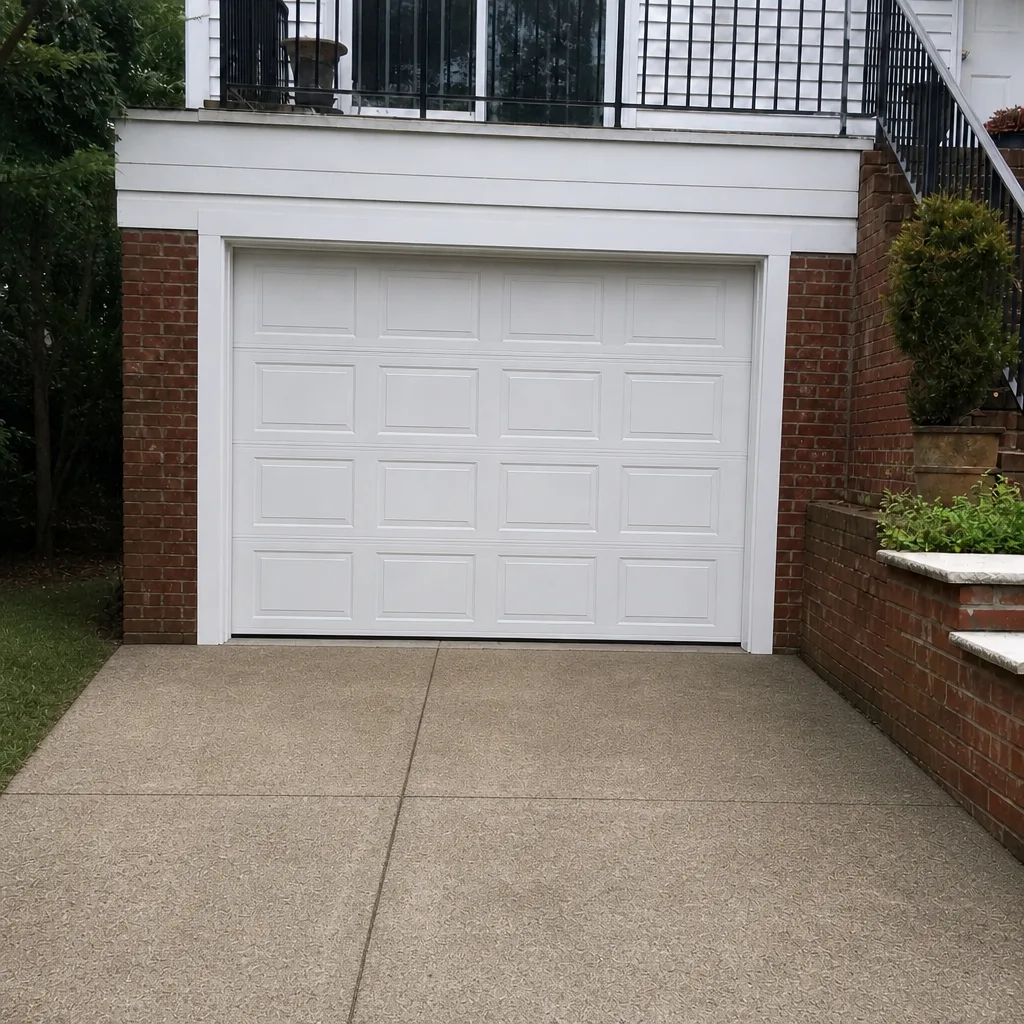 After
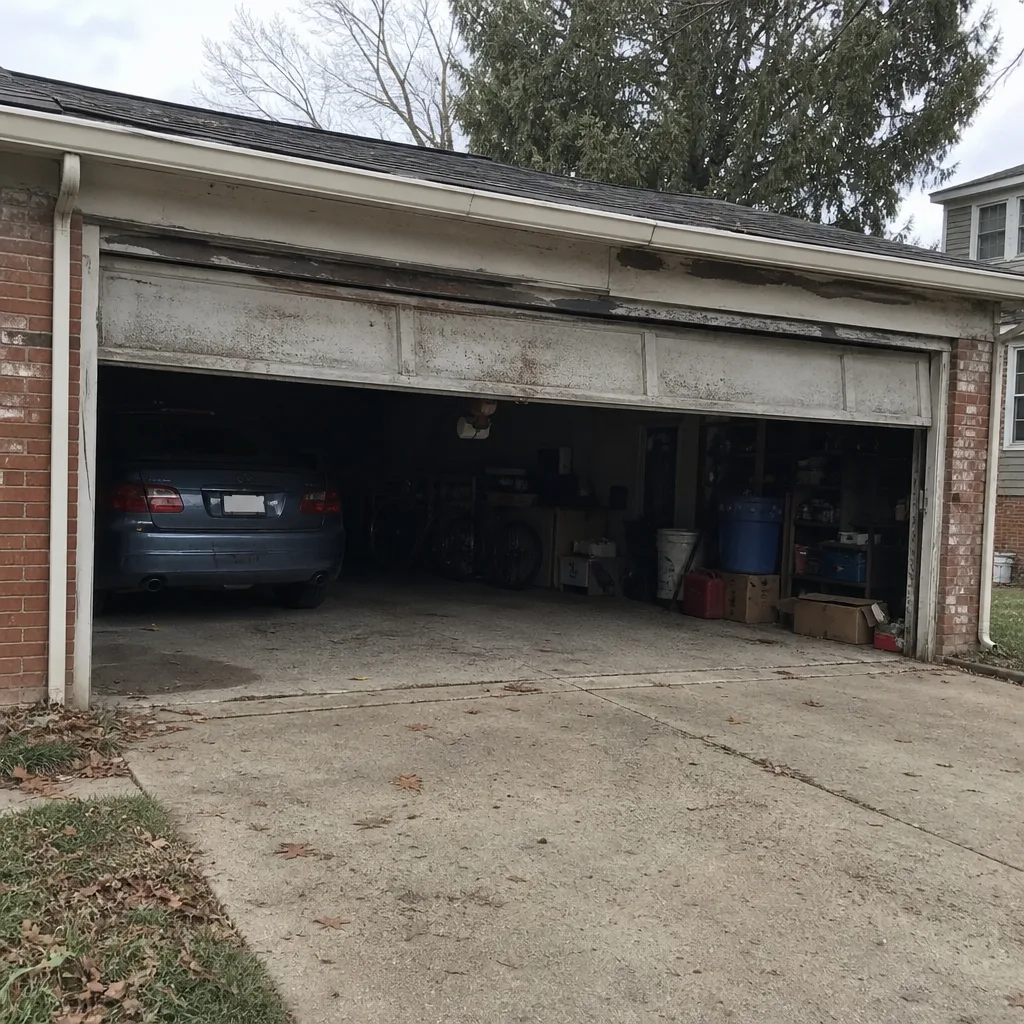 Before
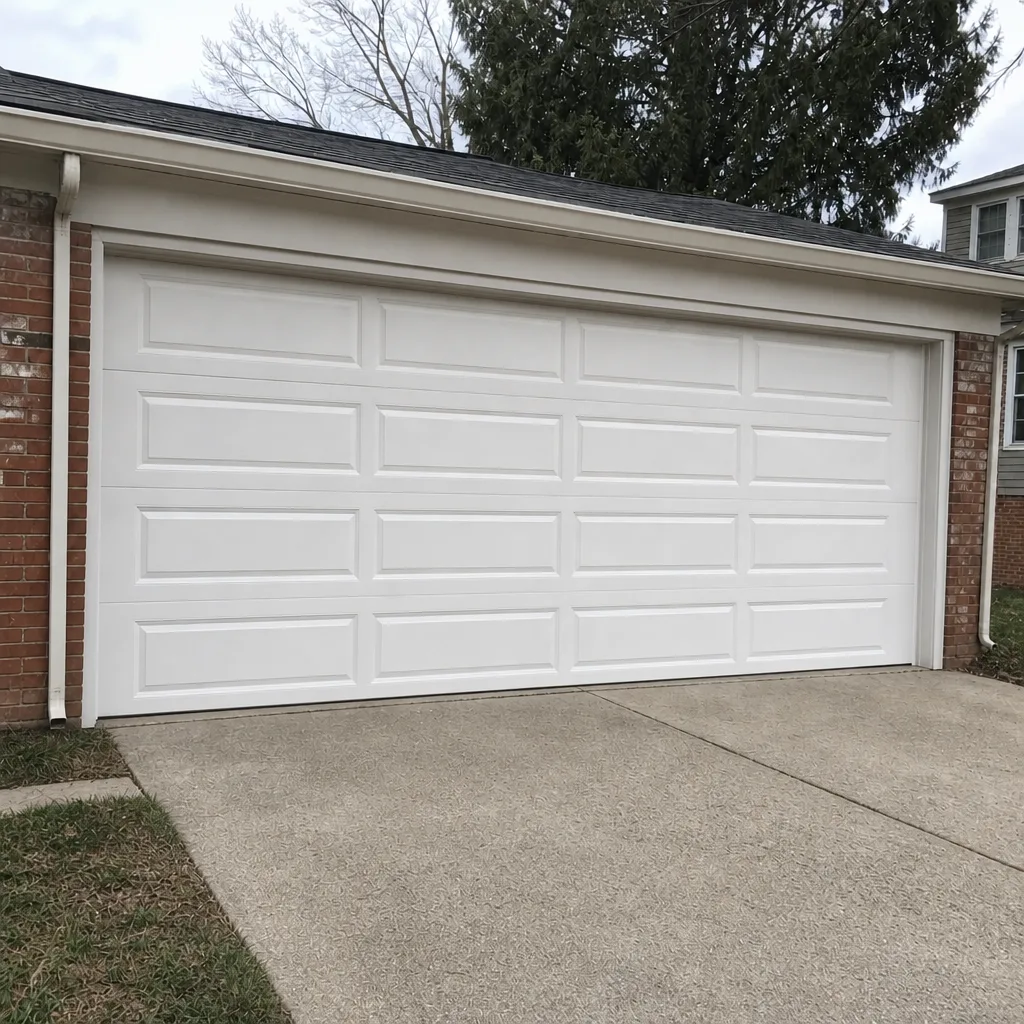 After
When to Call a Professional
Call a professional when the project involves structural work at the opening, when the door is on a historically designated property, or when the model you want is heavier than what the existing framing was built for. Call before you order: the assessment that determines what a permit drawing needs to show has to happen before the door is measured, not after. Call when the opener requires a new circuit, when the garage is on a tight alley with limited clearance, or when a previous owner’s alterations left you uncertain about what was originally permitted. And call immediately when a door is jammed, a spring has failed, or the door is hanging in a way that could fall. Garage Door Repair Capitol Hill offers free estimates in Capitol Hill. Call (855) 604-5978. Our technicians have up to 8 years of experience and work on Genie, Clopay, Amarr, and Wayne Dalton systems alongside the other major brands.
Frequently Asked Questions
Usually not, if the replacement matches the existing opening’s size, configuration, and location. A DC building permit is generally required when the opening itself is altered, when the header or framing is modified, or when the project adds a new opening or structure. The DC building department is the authority on your specific address, so confirm before ordering.
Not necessarily. The Capitol Hill Historic District covers a defined area, and streets within the neighborhood can be side by side with blocks that aren’t designated. The Historic Preservation Office is the source of truth for your specific address, and it’s worth checking before you choose a door model.
A certificate of appropriateness is the Historic Preservation Office’s sign-off that a proposed exterior change fits the district’s design standards. You need one when your garage door or opening change is exterior-visible and the property is in the historic district. The review looks at style, material, proportion, and visibility from a public way.
No, the written estimate sets the price. If the assessment turns up something new, like an unpermitted prior alteration or a header that needs more than expected, we’ll tell you before any work starts and put the revised scope in writing. You shouldn’t learn about a cost change on the invoice, and with us you won’t.
Yes. The local professionals we connect you with are licensed and insured as DC requires, and the permit needs to be pulled under the correct licensed party for the work. If structural work or electrical work is part of your project, we’ll help you make sure the permit is in the right name. Call (855) 604-5978 for details.
Sometimes, on your own primary residence, if the work is within what the District allows an owner-occupant to permit. In practice, structural work involving headers or framing and any electrical circuit work usually requires a licensed contractor on the record, and the permit needs to name that party. Confirm with the DC building department before starting.
The Bottom Line
A garage door project in Capitol Hill can involve two approval processes, not one. Like-for-like replacement usually sidesteps the building permit. Anything that changes the opening or its structure generally needs one, and the historic district adds a separate review through the Historic Preservation Office. Confirm your address, confirm the scope, get a licensed assessment before ordering the door, and pull the permit in the correct name. Do that, and the door itself is straightforward. Skip it, and a stop-work order can freeze the project mid-install. If you’re planning a project in Capitol Hill and want a straight read on what it involves, call (855) 604-5978 for a free estimate.
Written by the team at Garage Door Repair Capitol Hill.