Last updated November 21, 2026
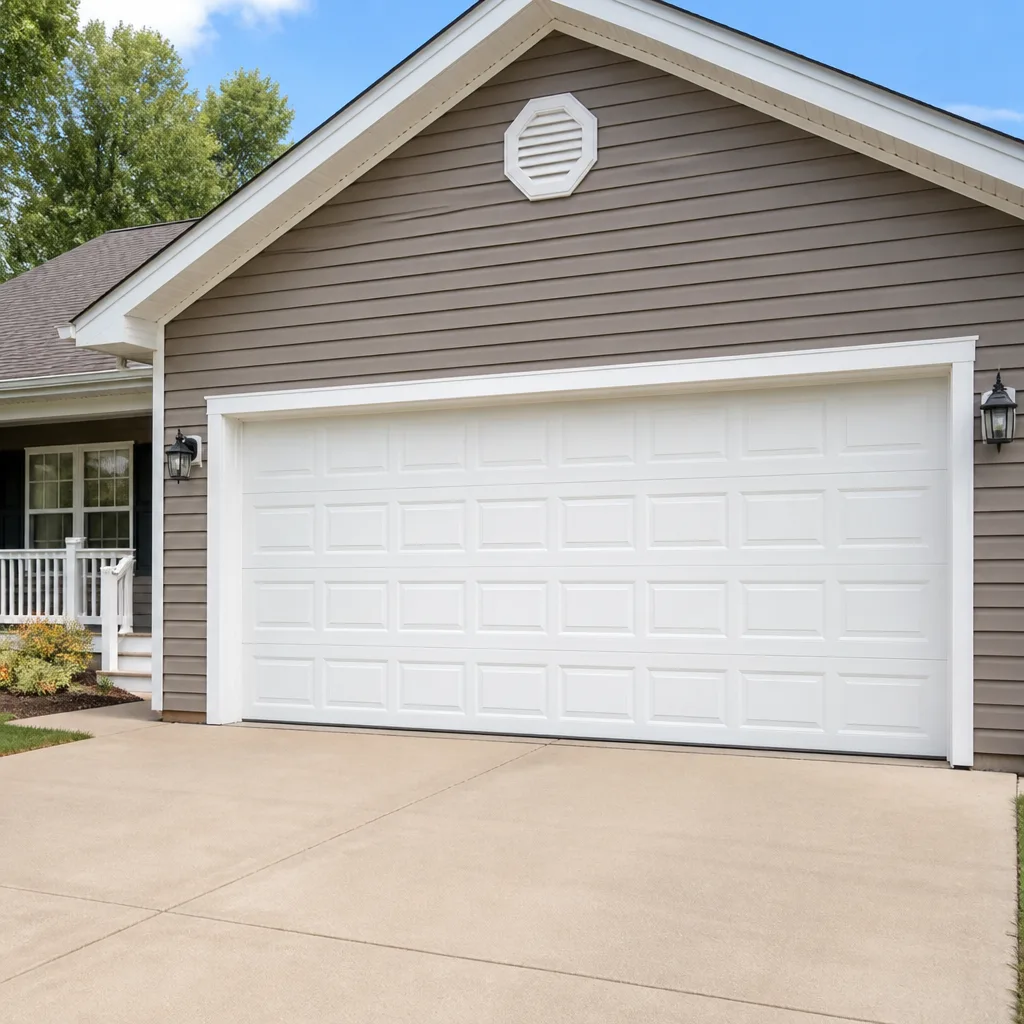 Raised-panel steel
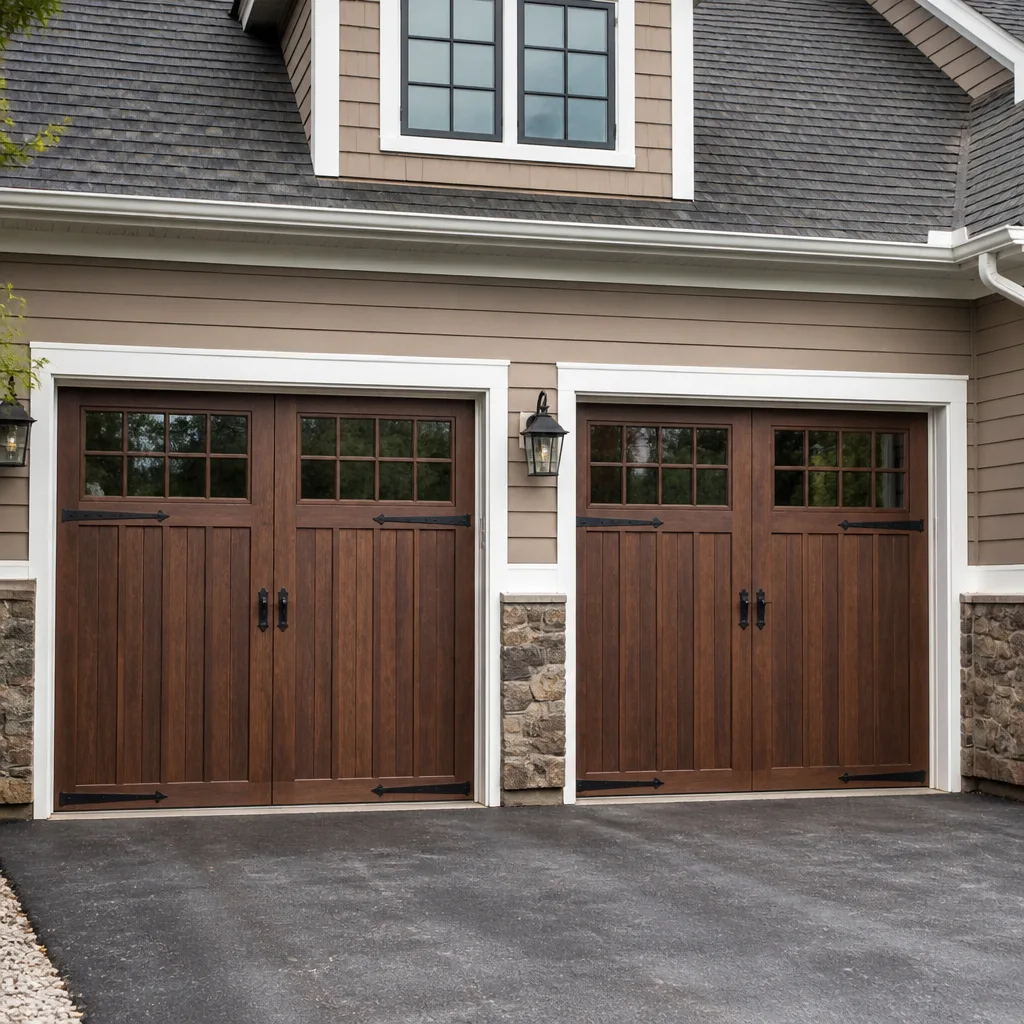 Carriage house
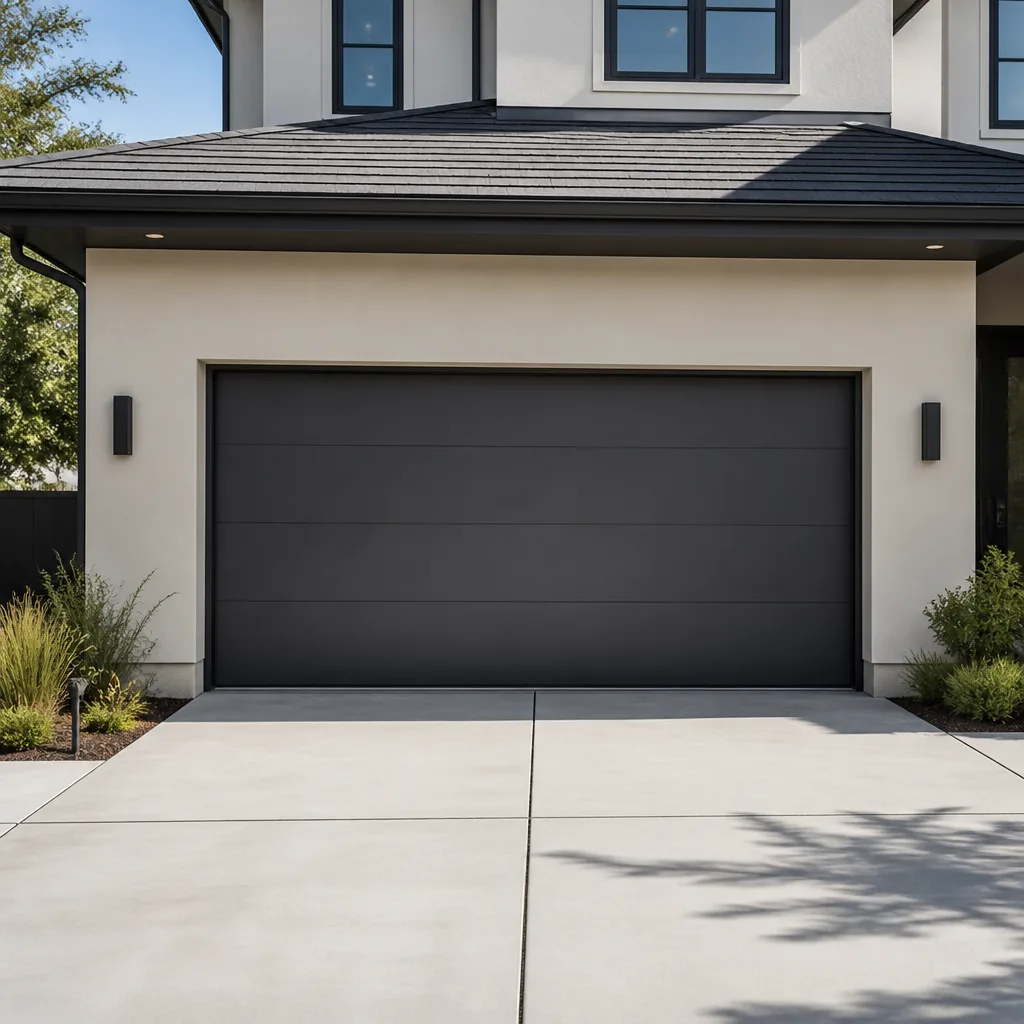 Modern flush
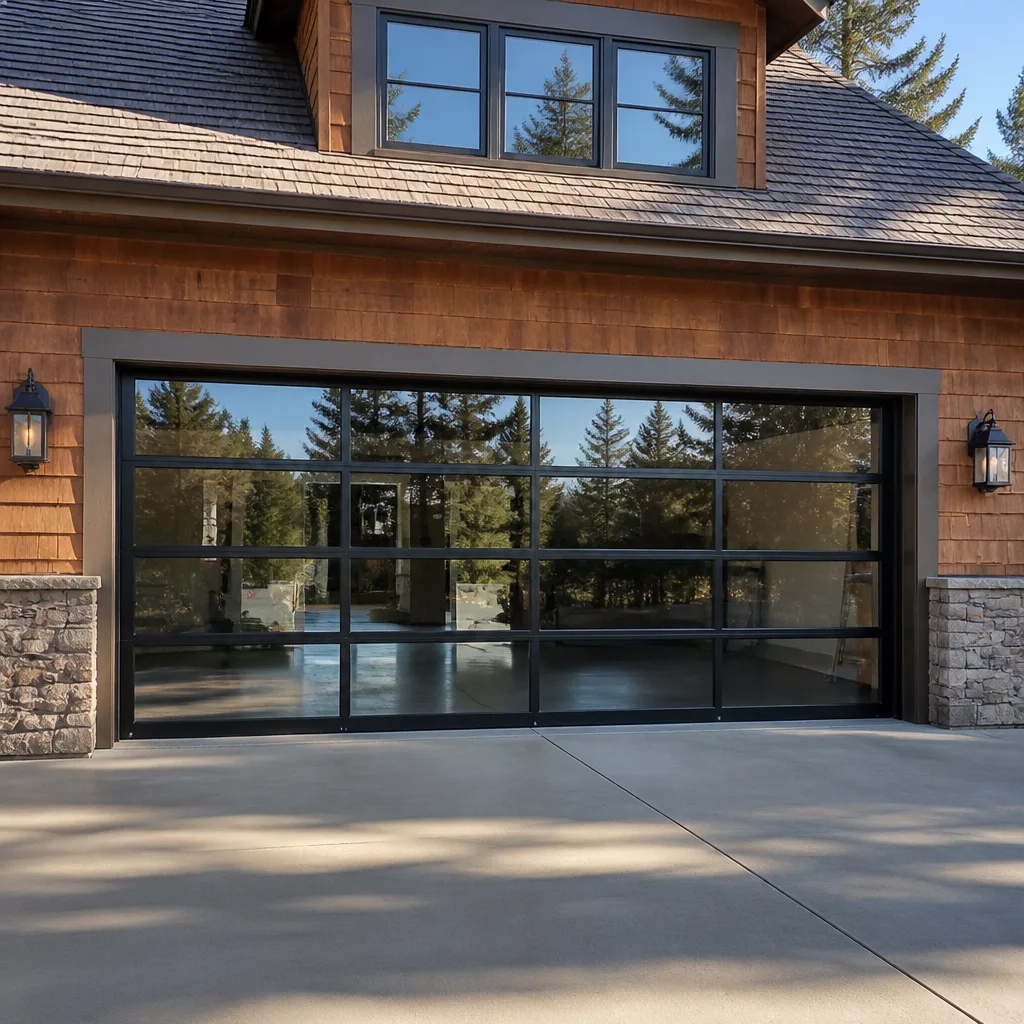 Full-view glass
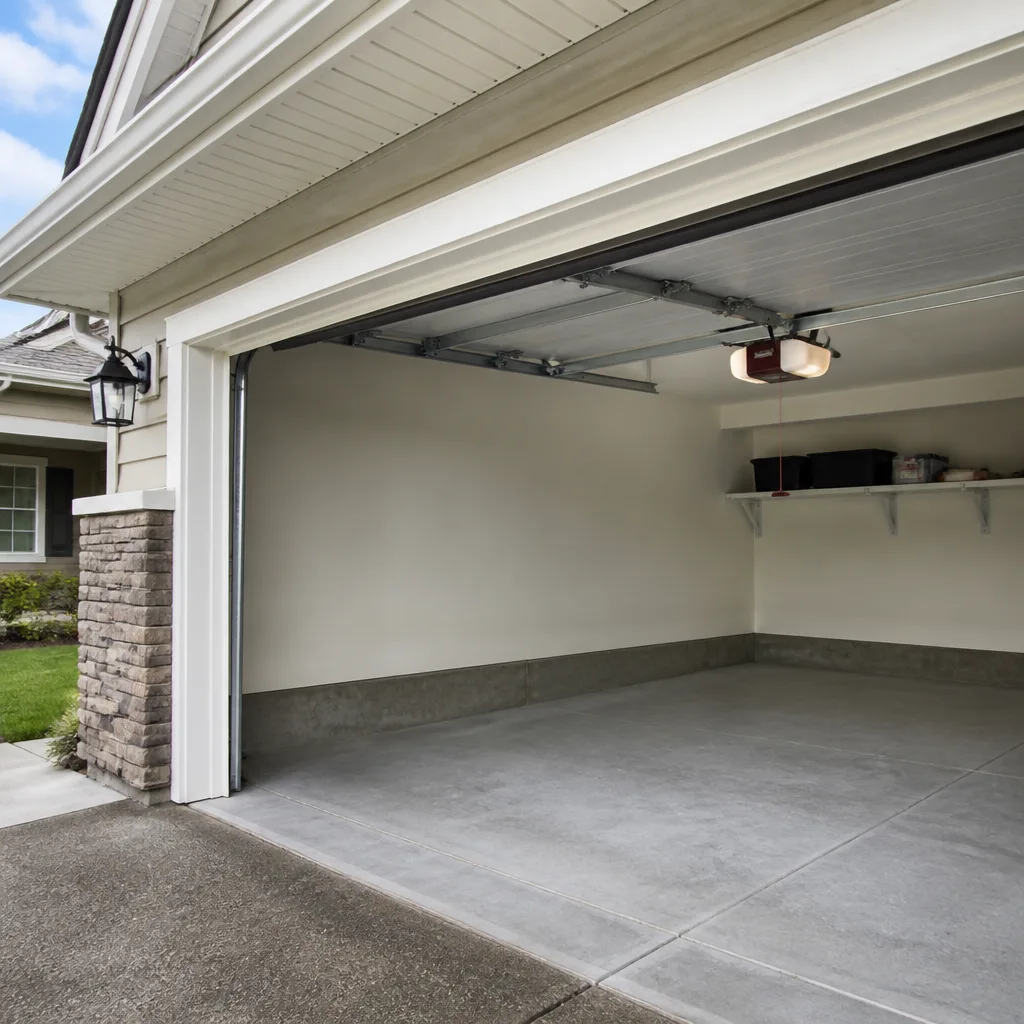 LiftMaster openers
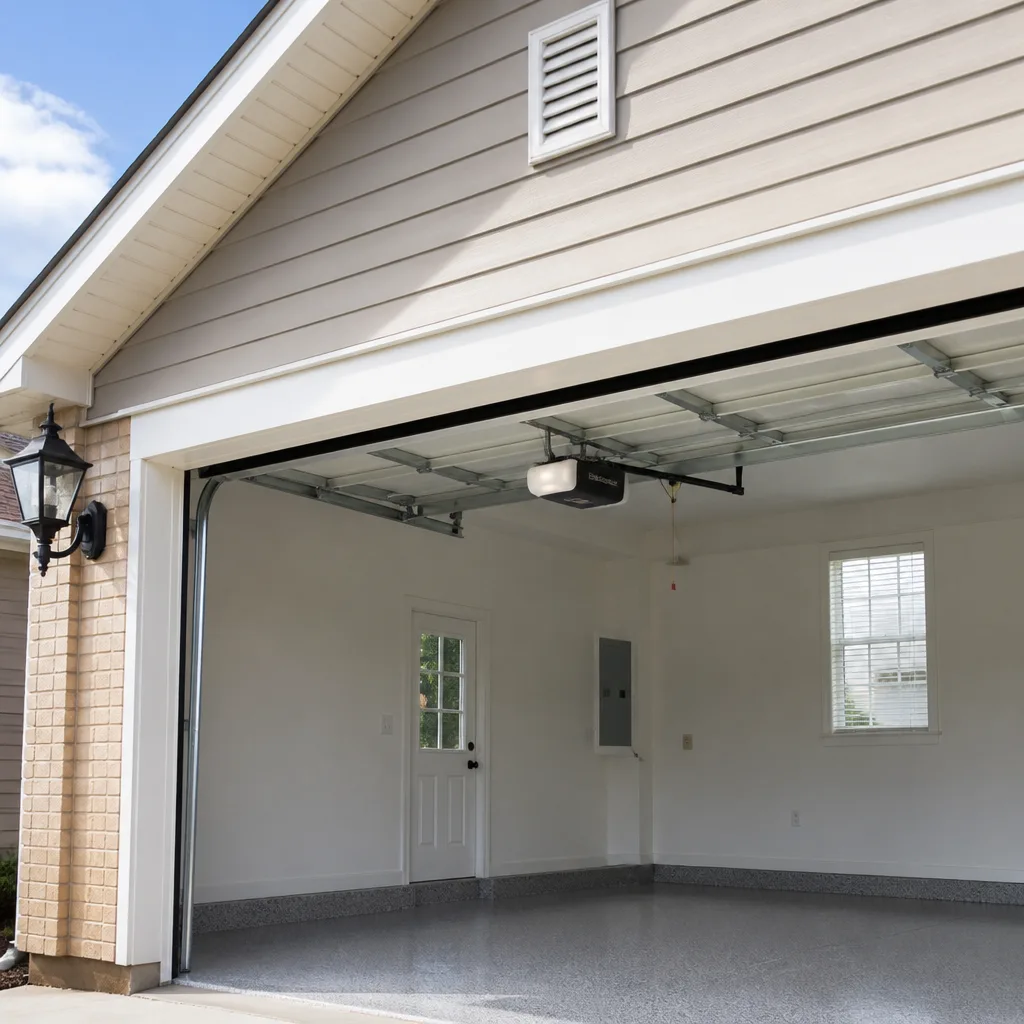 Chamberlain openers
Full 25-point door and opener safety check with every visit - springs, cables, rollers, tracks, and your LiftMaster or Chamberlain opener included
You get a price before we start. It does not change when the pro arrives.
Get your free estimateThe Complete Guide to Garage Doors in Capitol Hill
Most garages on Capitol Hill were built when the Model T was a new idea, and their door openings haven’t changed much since. That’s the detail almost every garage door guide skips. A standard 8-foot-wide door in a modern insulated panel often won’t drop into the original masonry opening without structural work at the jambs, and plenty of contractors won’t tell you that until the truck is already parked in the alley. This guide is different. It’s built around the specific realities of Capitol Hill – the alley-access bays, the historic district overlays, the low-headroom carriage houses – so you know what you’re actually dealing with before you spend a dollar. We’ll cover everything a Capitol Hill homeowner faces, from reading your property survey to choosing a door style the Historic Preservation Office will approve.
Quick Answer
Garage doors in Capitol Hill typically cost $1,200 to $3,800 installed for a standard single door, more when historic-district approval or structural modification to the masonry opening is required. Repair work like a snapped spring usually runs $180 to $340 for a single spring, and a matched pair costs roughly twice that. The trickiest part isn’t price – it’s fitting a modern door into a century-old opening, which is where an honest measure and a written estimate matter most.
Styles & brands we work with
- Raised-panel steel
- Carriage house
- Modern flush
- Full-view glass
- LiftMaster openers
- Chamberlain openers
Table of Contents
- How Alley Access Changes Everything About Your Door
- What DC’s Historic Preservation Rules Mean for Your Door
- Low-Headroom Carriage Houses: When Springs Won’t Fit
- Wood, Steel, or Fiberglass: Surviving DC’s Humidity Swings
- Reading Your Property Survey for Easements and Width
- Choosing and Placing an Opener in a Tight Bay
- Repair or Replace: How to Decide
- What Garage Door Work Costs in Capitol Hill
How Alley Access Changes Everything About Your Door
If your garage opens onto an alley, your door lives a different life than one on a suburban driveway. Alley access is the norm across much of Capitol Hill, and it changes three things that standard guides ignore: the swing space in front of the door, the track type that makes sense, and where the opener can physically sit.
On a suburban front-facing garage, the driveway gives you 20 feet or more of clear approach. In a Capitol Hill alley, the lane itself might be 10 to 12 feet wide, with a brick wall or a neighbor’s fence directly across. That means a door that swings outward is a non-starter – it would block the alley or strike whatever’s parked there. Sectional doors that travel straight up are almost always the answer, but they need enough headroom above the opening to hold the panels when open.
Alley placement also affects opener choice. Ceiling-mounted openers need clear overhead space and a stable mounting point. In an older Capitol Hill garage with a low, hand-framed roof, that mounting point may be closer to the door than a standard rail allows. Jackshaft openers – the kind that mount on the side wall and drive the torsion bar directly – solve this in tight bays, and brands like LiftMaster, Chamberlain, and Genie all make models suited to it.
- Swing clearance: measure the full arc of any outward-swinging door against the alley lane before ordering.
- Track type: low-clearance or high-lift track changes how much of your ceiling the door eats.
- Opener placement: ceiling-mount, jackshaft, or wall-mount each has a different footprint.
- Snow, leaves, and debris: a door that opens into a public alley gets pelted; seals and bottom weatherstrip matter more than they do on a driveway.
We’ve seen more door problems on Capitol Hill come from a badly planned opener mounting than from the door hardware itself. Getting that one decision right saves you a lot of adjustment calls later. If your opener is the piece that’s failing, garage door opener repair can sort it without touching the door.
What DC’s Historic Preservation Rules Mean for Your Door
Many homes in the Capitol Hill Historic District sit under DC Historic Preservation Office review, and replacing a garage door on a contributing structure usually means getting sign-off before you install. This is the single biggest thing competitors leave out, and it’s the reason some door orders stall for weeks. The rules aren’t designed to stop you – they’re designed to keep the streetscape’s character – but you need to know what they’ll ask for.
In practice, the preservation review tends to favor a door that reads as appropriate to the building’s era and architecture. For a brick carriage house or a rowhouse with a rear garage, that usually means:
- Panel style over glass: a traditional raised-panel or carriage-style panel generally reads better than a full-view aluminum-and-glass door.
- Color tied to the trim: matching the door color to the existing window or trim color tends to pass review more smoothly than a bold accent.
- Material honesty: if the original was wood, a wood-grain steel or fiberglass panel may be reviewed differently than a plain embossed panel.
- No wholesale opening changes: widening the masonry opening is far more likely to draw scrutiny than keeping the original dimensions.
Amarr and Clopay both make panel profiles that mimic traditional carriage styles closely enough to satisfy most review boards. Wayne Dalton’s carriage-house line is another option we’ve seen approved in similar contexts. Before you order anything, confirm with the DC Historic Preservation Office what your specific block requires – the rules can vary from property to property, and a general answer won’t save you.
When your door is part of the review, factor the approval timeline into your schedule. A manufacturer might build a door in days, but the paperwork can take longer than the install. garage door installation is where this matters most, since the order can’t be placed until the design clears review.
Low-Headroom Carriage Houses: When Springs Won’t Fit
A carriage house garage was never designed with the standard torsion spring in mind. The ceilings are often low, the framing is irregular, and the diagonal bracing that holds up the roof sits exactly where a normal torsion tube wants to go. This is where the standard spring system simply won’t fit, and it’s where a lot of one-size-fits-all companies hit a wall.
Here’s how the clearance math usually breaks down. A standard sectional door needs roughly 12 inches of headroom above the opening for the horizontal track and the panels stacked back. A torsion spring assembly adds another 2 to 4 inches above the track. If your carriage house only gives you 9 or 10 inches of headroom, a conventional setup physically won’t work.
- Measure headroom at the tightest point: not just above the door, but along the full travel path where the panels will stack.
- Check the spring location options: a torsion assembly at the front versus rear of the track consumes different vertical space.
- Consider low-clearance track: it allows the door to hug the ceiling more closely, saving several inches.
- Evaluate extension springs: on some low-ceiling garages, a correctly sized extension spring setup is the only one that fits – but it must be sized precisely, because the wrong spring is a dangerous spring.
- Look at high-lift: if you have vertical height but not horizontal depth, high-lift track can raise the door rather than stack it flat.
Springs are the highest-tension component in your garage system, and a torsion spring under load can injure someone badly if handled without the right training and tools. If your carriage house ceiling leaves no obvious room for the standard setup, that’s a measure-and-plan job, not a swap-it-today job. We handle spring work as a named specialty for exactly this reason – garage door repair on a spring is different from the rest of the door.
Wood, Steel, or Fiberglass: Surviving DC’s Humidity Swings
Washington’s humidity swings are brutal on garage doors over a five-year horizon. Summers push moisture into the wood, winters dry it back out, and the cycle repeats. The door material you choose today determines whether you’re sanding and repainting in year three or inspecting the panels twice a year.
- Wood: looks right on a historic carriage house, but it moves. Wood doors want repainting or resealing every couple of years here, and if the bottom edge sits above a damp slab, the grain absorbs moisture and swells in the panels. Some of the older Capitol Hill garages have original wood that’s held up well because it’s been maintained; the trouble comes when it isn’t.
- Steel: the most forgiving in DC humidity. A steel door with a good finish resists the swings, and the panels don’t swell or warp. The failure mode is rust at the bottom edge where water pools, so keep the bottom seal intact. Amarr and Clopay both make steel doors with carriage-style stamping for historic districts.
- Fiberglass: light and stable across humidity, and a good fit for low-headroom carriage houses where a lighter door puts less load on the opener. The trade-off is that fiberglass can crack under impact, and the finish on an older fiberglass door can chalk and fade.
Raynor and Craftsman both have long product lines in steel and composite, and the locally available stock tends to shift between them. The right answer depends on whether your opening can take the weight, what the Historic Preservation Office will approve, and how much maintenance you’re willing to keep up with.
Reading Your Property Survey for Easements and Width
Before you assume that extra foot of width is yours to use, pull your property survey. In an alley-access Capitol Hill neighborhood, the boundary line between your garage and the alley may not sit where you think, and an alley easement can legally restrict how wide your door can be or how it swings.
Here’s how to read your survey for the door-related details:
- Locate your lot line: find the boundary that runs along the alley – that’s the one most likely to carry an easement.
- Look for recorded easements: the survey should note any alley or utility easements, and their width matters to door placement if they encroach on your structure.
- Measure the garage structure as built: compare the drawn footprint to what’s physically there now; carriages sometimes extend beyond the surveyed line by a few inches.
- Check the door opening dimension: matched against the wall the door sits in, not against the alley width.
- Confirm the swing radius fits: if your door swings outward, the arc must clear the easement and the neighbor’s side.
If your survey shows an easement that crosses the garage, don’t panic – it doesn’t automatically block anything. But before you widen the opening, order a custom-width door, or change the swing, you’ll want to confirm what the recorded easement allows. The city’s building department can help you interpret the record; the survey just gives you the facts to ask with.
We ask for the survey on every measure for a reason. A door that fits the opening but breaks an easement line is a door that fails inspection, and the order can’t be reversed. Garage Door Repair Capitol Hill handles the practical side – measure, quote, order, install – but the survey tells us what to measure against.
Choosing and Placing an Opener in a Tight Bay
An opener in a Capitol Hill alley garage needs to do three things: fit the available ceiling space, work with your brand’s specific logic, and keep the door’s weight from straining the motor. Get any one wrong and you’ll be adjusting limits and clearing fault codes for months.
For a tight bay, the practical options break down like this:
- Belt-drive ceiling-mount: quiet, but needs about 2 inches of clearance above the door track and a stable ceiling joist. Popular in rowhouse garages where the ceiling is at standard height.
- Chain-drive ceiling-mount: tougher in harsh conditions, but louder – a consideration if a bedroom shares a wall with the garage.
- Jackshaft (side-mount): mounts on the wall beside the torsion bar and takes no ceiling space at all. This is the go-to in low-headroom carriage houses where a ceiling mount is impossible.
- Smart-integrated openers: LiftMaster and Chamberlain both make units that connect to a home network; Genie’s smart line is a common fit for older garage structures where the app matters more than the motor spec.
Brand-specific logic matters more than most people realize. A Craftsman opener from a decade ago has different limit-switch logic than a current Chamberlain, and a technician who doesn’t know the difference will spend an hour guessing instead of ten minutes diagnosing. That’s why we name the brands we work on – Amarr, Wayne Dalton, Craftsman, Raynor, and the rest – so you don’t get bounced around. One call covers the full system: door, springs, opener, and hardware.
Repair or Replace: How to Decide
The repair-or-replace call on a Capitol Hill garage door usually comes down to three questions: what’s failing, what the opening can accept, and whether the Historic Preservation Office is involved. Here’s how to think through it.
Repair makes sense when:
- A single spring has failed and the rest of the door is sound.
- The opener’s logic board or motor has quit, but the door panels and tracks are intact.
- A cable or roller has worn out without damaging the door or frame.
Replacement tends to be the honest answer when:
- The door panels are warped, delaminated, or rusted through in multiple places.
- The opening itself needs structural work that a repair can’t address – like jambs that have pulled away from the masonry.
- The door’s style or material no longer fits the historic district context and the front of the house is coming due for restoration anyway.
- The door is dangerously out of balance even after adjustment, which points to structural fatigue in the panels or hardware.
One Capitol Hill quirk: some original wood doors are so well-built that replacing them with a modern panel loses character worth keeping. If the original is salvageable with spring and hardware work, that’s often the better route. A free measure will tell you which case you’re in without committing to anything.
What Garage Door Work Costs in Capitol Hill
Prices in Capitol Hill reflect the same pressures as the rest of DC, with a local premium for older structures that need careful measuring, structural work, or historic review. The estimates below are typical ranges, not a fixed quote. The written estimate you get after the measure sets the final price, and we agree that price before any work starts.
| Service | Typical estimated range |
|---|---|
| Single torsion spring replacement | $180 – $340 per spring |
| Matched pair of springs (replaced together) | About twice the single-spring range |
| Standard garage door installation (single door) | $1,200 – $2,800 |
| Custom-width or carriage-style installation | $2,400 – $3,800+ |
| Opener repair | $120 – $350 |
| New opener installed | $300 – $700 |
| Cable, roller, or hardware repair | $100 – $300 |
| Historic-district design consultation (with measure) | Quoted with the estimate |
These aren’t the only numbers you’ll see. A low-headroom carriage house that needs custom track, a custom-width door, or structural work at the jambs will land higher, and a historic review can add time even if it doesn’t add much cost. A replacement door that fits the standard opening with no modifications will land at the low end. What we don’t do is surprise you at the end – the estimate is the number, and it’s quoted before we touch a bolt.
If your door has to be repaired quickly because the alley is your only access to the car, that’s a different conversation. Emergency calls are quoted on the spot over the phone where possible, then confirmed on site. For an exact quote on your situation, call (855) 604-5978 – estimates are free.
Common Mistakes to Avoid
- Ordering a standard-width door before measuring the masonry opening. A modern panel sized for a 21st-century new build often won’t fit a Capitol Hill opening without jamb modifications. Measure first, order second, always.
- Skipping the Historic Preservation Office check. Replacing a door on a contributing structure without confirming what your block requires can mean a rejected install after the door is already built.
- Assuming alley width equals swing clearance. A door that swings into a 10-foot alley blocks the way for whoever is behind you – and can hit the neighbor’s fence or car. Confirm swing clearance against your survey, not against the alley’s centerline.
- Treating a low-headroom carriage house like a standard garage. A torsion spring setup that won’t fit gets forced, and a forced spring system fails under load. If the headroom isn’t there, the system changes, not the other way around.
- Replacing only one spring of a matched pair. When two springs share the load, one new and one old means uneven tension, faster wear, and a warranty question down the line. Pairs usually get replaced together.
- Choosing an opener by brand marketing rather than bay fit. A quiet belt-drive that needs 2 inches of clearance you don’t have will fail; a jackshaft that fits perfectly sits in a low-headroom bay for years. Fit beats a spec sheet every time.
- Repainting a wood door without checking the moisture content first. DC humidity swings trap moisture under a fresh coat, and the paint fails from the inside out. Seal or repaint in the dry season when the wood has a chance to stabilize.
See the difference
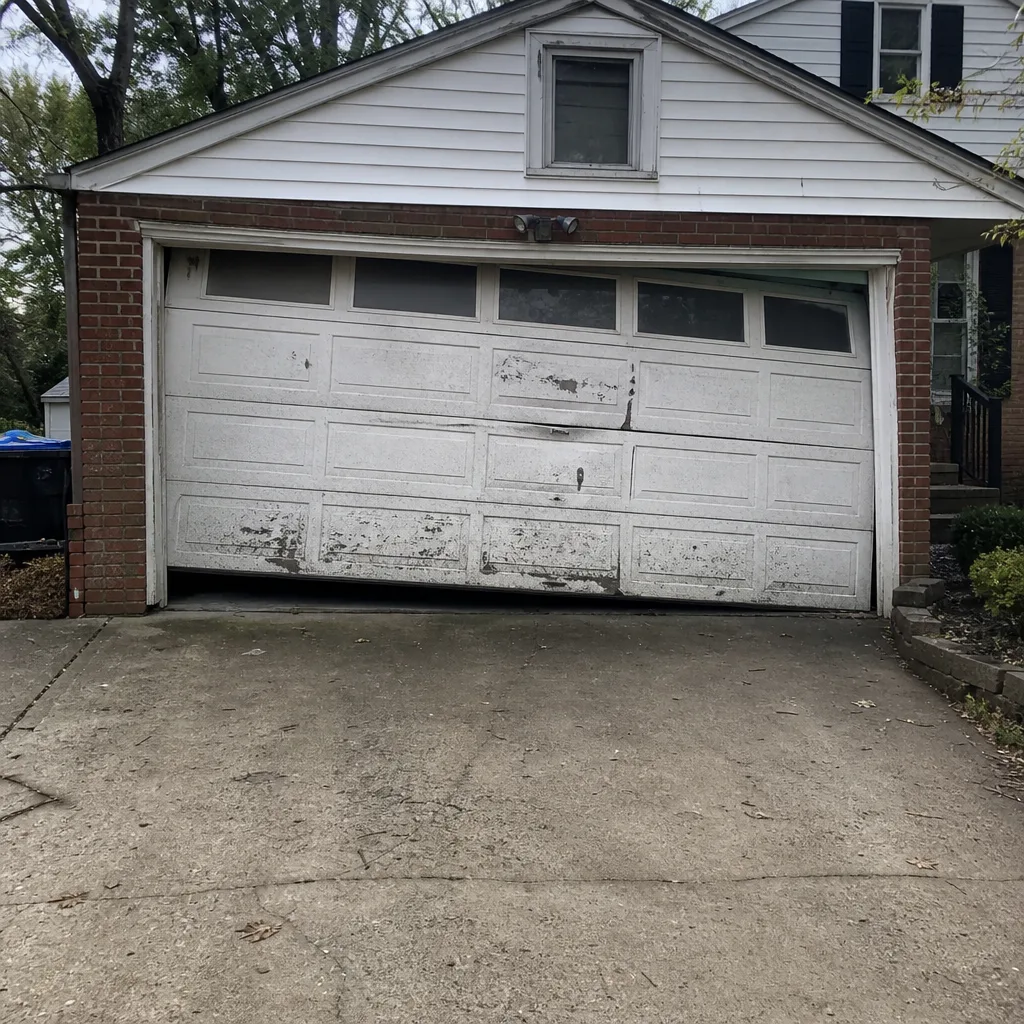 Before
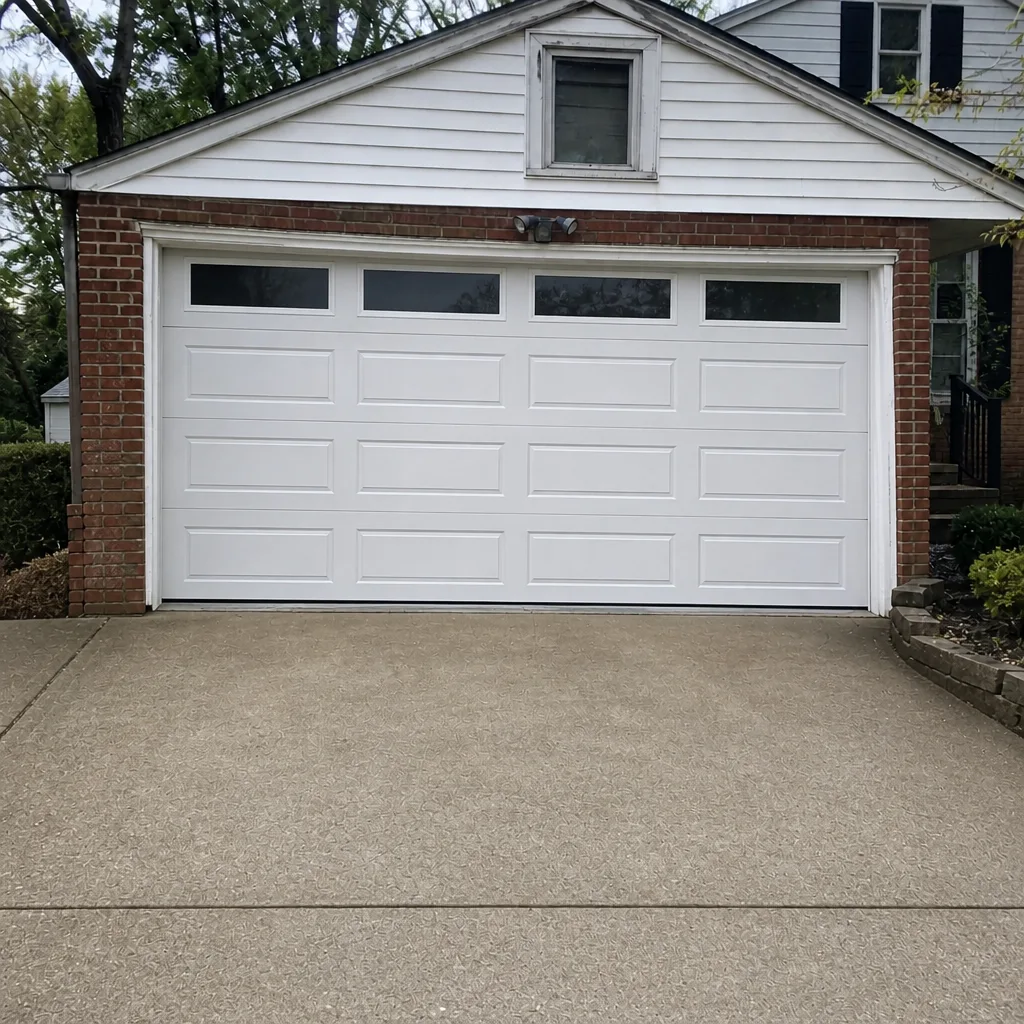 After
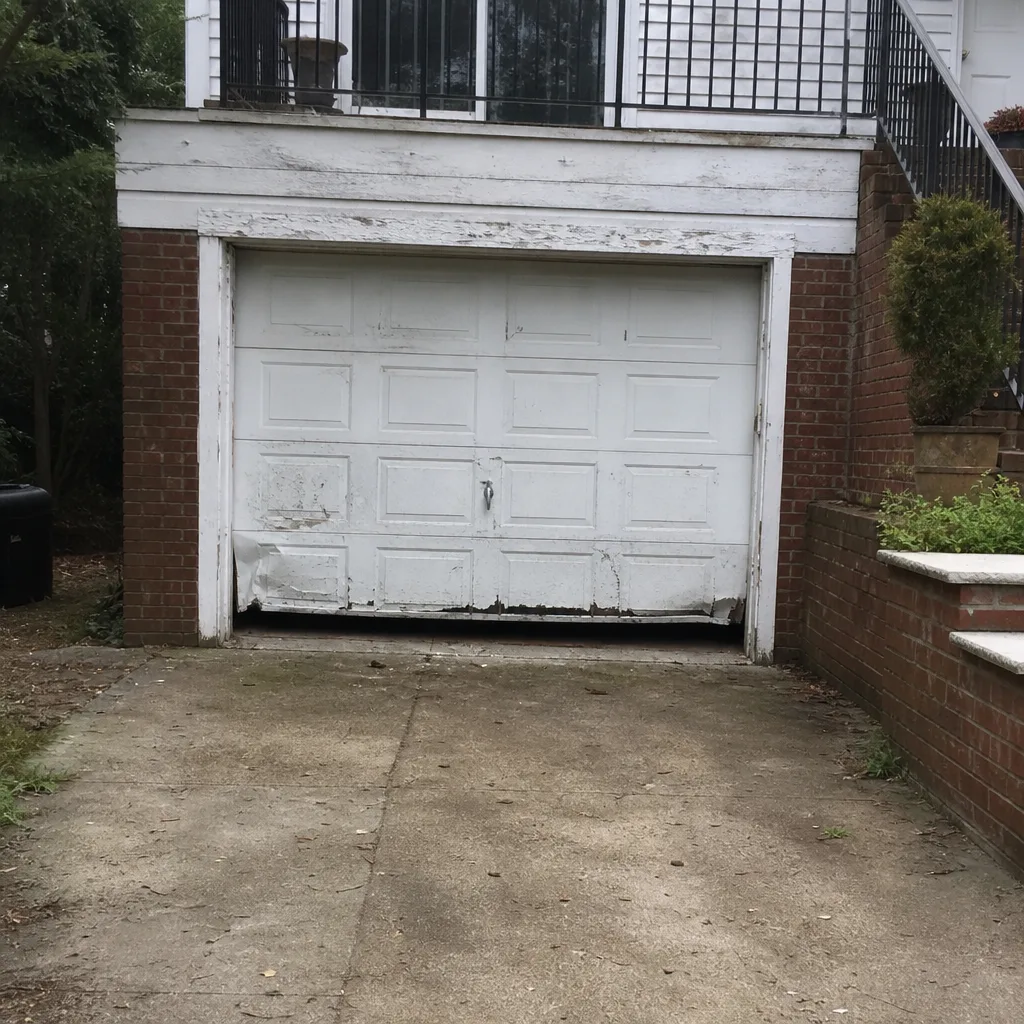 Before
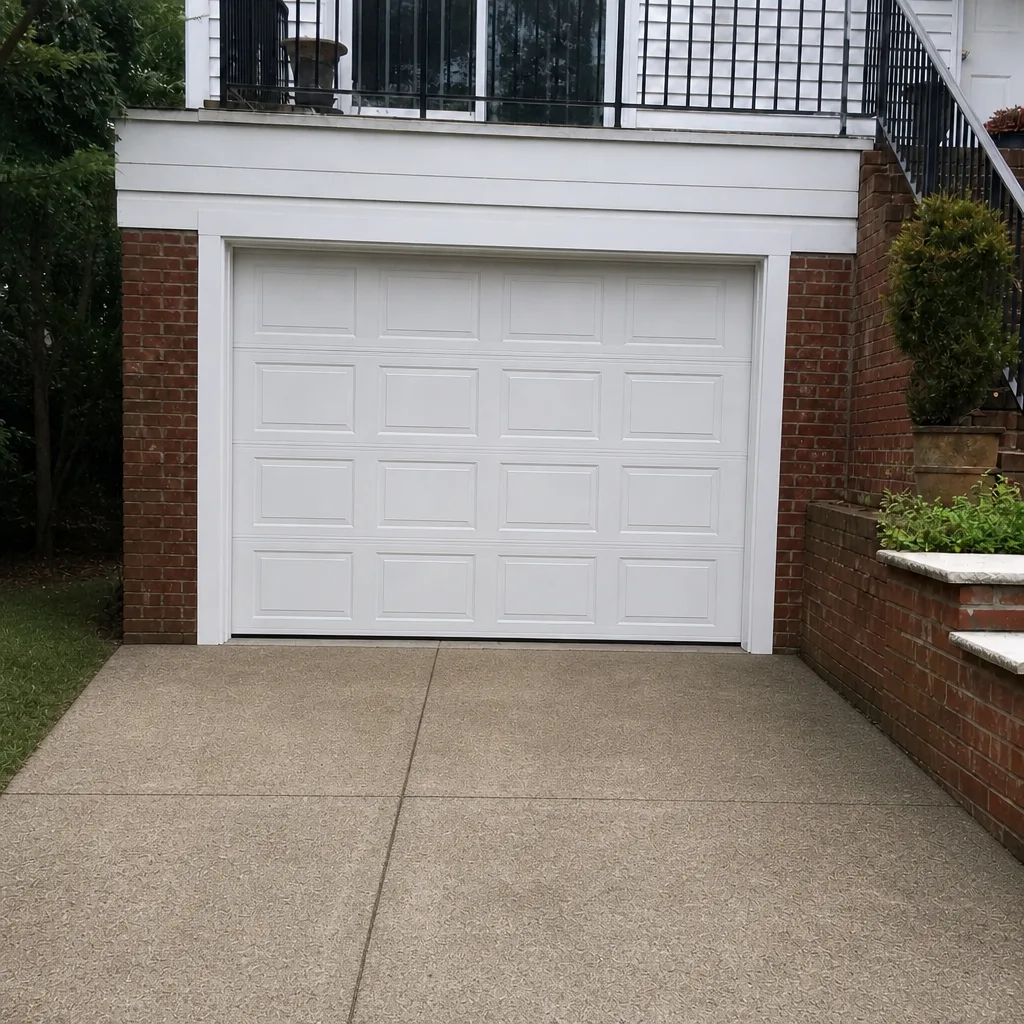 After
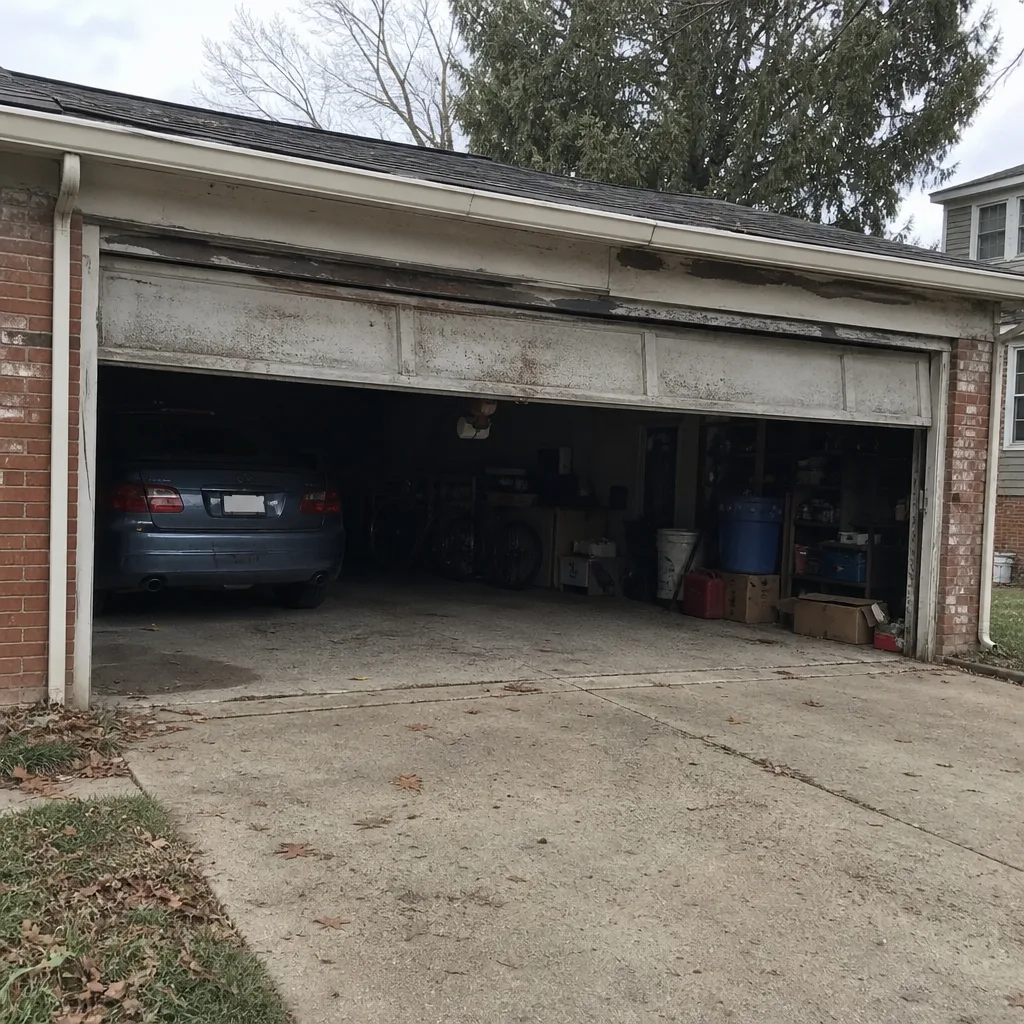 Before
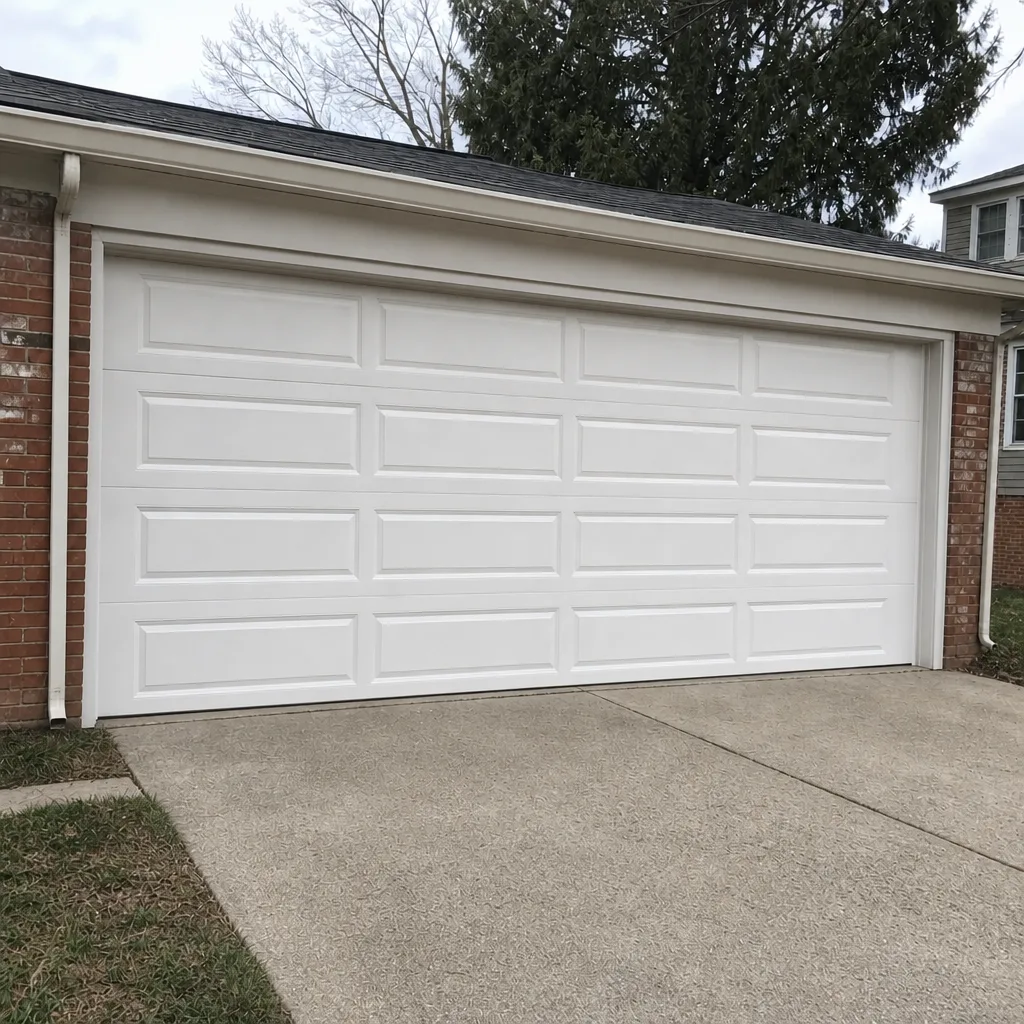 After
When to Call a Professional
Call a trained professional for anything involving torsion springs, cables, or the opener’s mounting hardware. These components are under tension and can cause real injury, and there’s no DIY shortcut that makes it safer. Call us also when the door won’t open or close evenly, when the panels feel out of balance at the midpoint, when you hear a bang from the garage and the door doesn’t lift, or when the opener has stopped responding and the reset process hasn’t fixed it. For a door that’s stuck open, hung at an angle, or won’t lock, that’s an emergency – it’s a security exposure until it’s fixed, and we offer emergency garage door service for exactly this situation. Garage Door Repair Capitol Hill offers free estimates in Capitol Hill – call (855) 604-5978.
Frequently Asked Questions
Probably, if your home sits in the Capitol Hill Historic District and the door is visible from a public way. The DC Historic Preservation Office reviews changes to contributing structures, and the safest move is to confirm with them before you order. The review mostly concerns style, material honesty, and color matching to your trim. It rarely blocks a reasonable door; it just slows the process, so build the timeline into your plan.
A single torsion spring typically costs $180 to $340 to replace. A matched pair, which is usually the right call, runs about twice that. Low-headroom carriage houses that need custom spring mounts can land higher. The written estimate sets the final price and gets agreed before any work starts. Call (855) 604-5978 for an exact quote – estimates are free.
Not always, and that’s the fact most contractors skip. Many Capitol Hill garages were built for a door roughly 8 feet wide, and a standard modern panel can be a tight fit against the original masonry jambs. The fix is usually custom-width, not forced install. A free measure with the survey in hand tells you which case you’re in before you commit.
A jackshaft opener is usually the answer. It mounts on the side wall next to the torsion bar and uses none of the ceiling space, which is exactly what a low carriage house lacks. Belt-drive and chain-drive ceiling-mounts need clearance you may not have. We work on LiftMaster, Chamberlain, Genie, and Craftsman openers, so whatever’s already on your door has a good chance of an in-kind fix.
Yes, emergency garage door service is available for that exact scenario. A door stuck open on a Capitol Hill alley is a security exposure until it’s closed, so we prioritize it. Call (855) 604-5978 and describe what the door is doing – stuck at an angle, off the track, or hanging – and we’ll quote on the phone where possible.
The local professionals we connect you with are licensed and insured as their state requires. Our technicians have up to 8 years of experience and handle spring work as a named specialty, with the specific tools the job requires. If you’re booking a repair or installation, ask for the credentials for the job you’re scheduling – it’s a fair question and one we’re happy to answer.
The Bottom Line
Garage door work on Capitol Hill is a different job than it is anywhere else. Alley access, historic district review, low-headroom carriage houses, and DC’s humidity all push on the same system, and the biggest cost of getting it wrong isn’t the door – it’s the rework, the rejected install, or the structural surprise that could’ve been caught at measure. Measure first. Check the survey and the preservation review. Match the opener to the bay, not to the marketing. And when the springs are involved, call a professional. Garage Door Repair Capitol Hill offers free estimates, upfront pricing, and same-day service for repairs – call (855) 604-5978.
Written by the team at Garage Door Repair Capitol Hill.