Last updated November 21, 2026
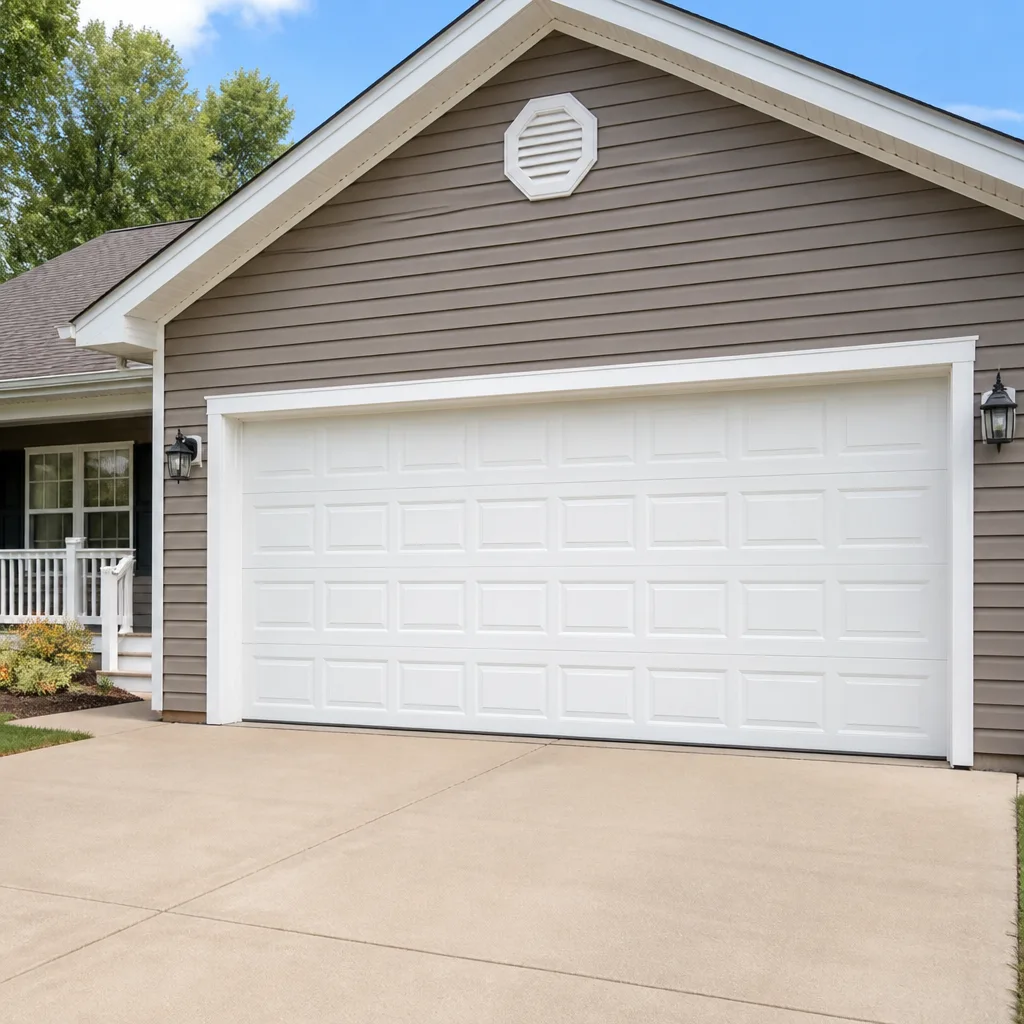 Raised-panel steel
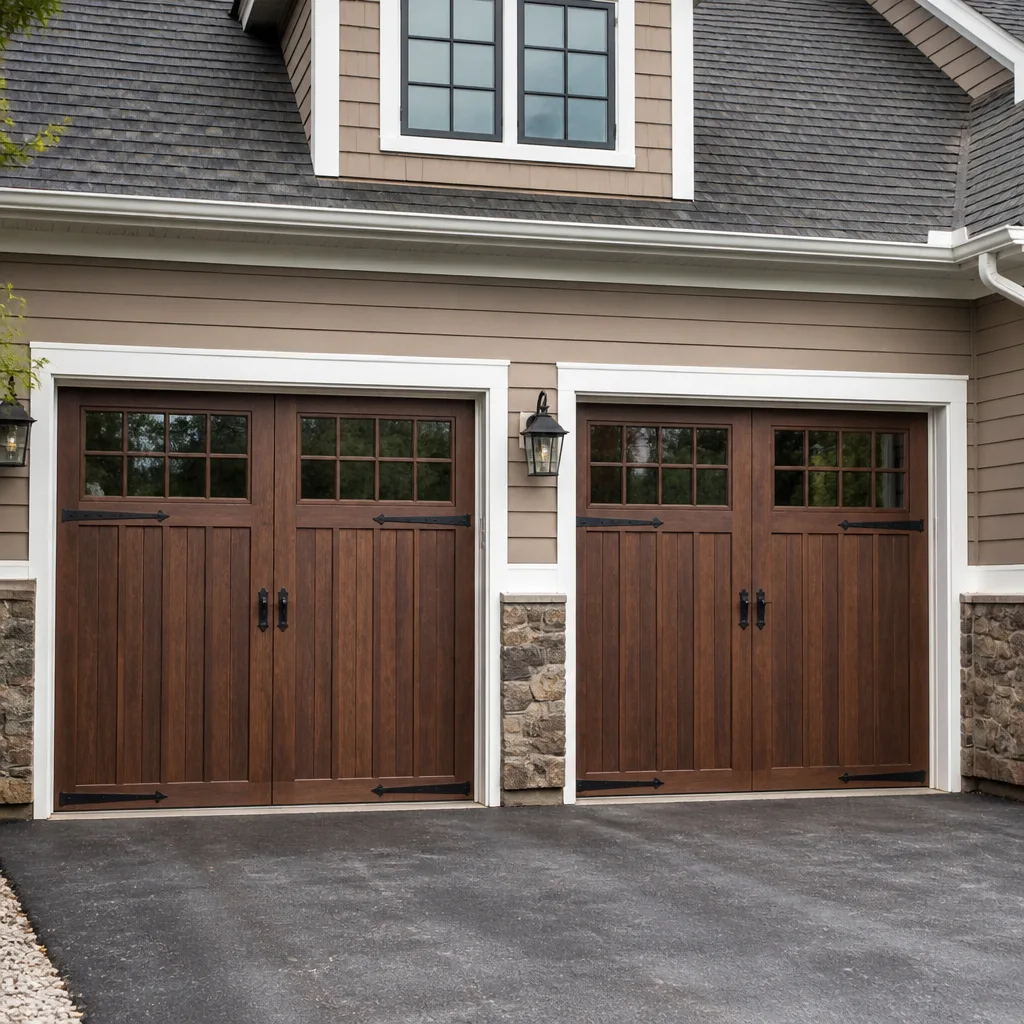 Carriage house
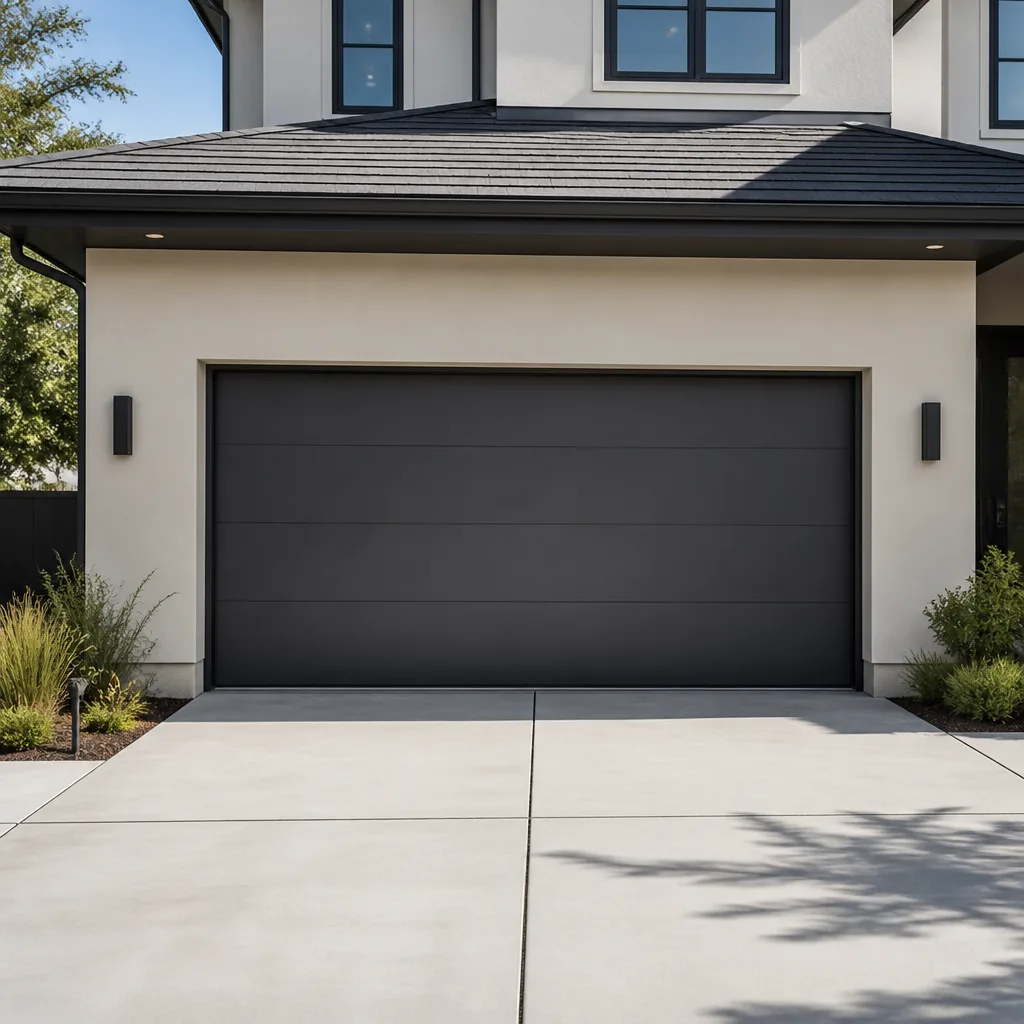 Modern flush
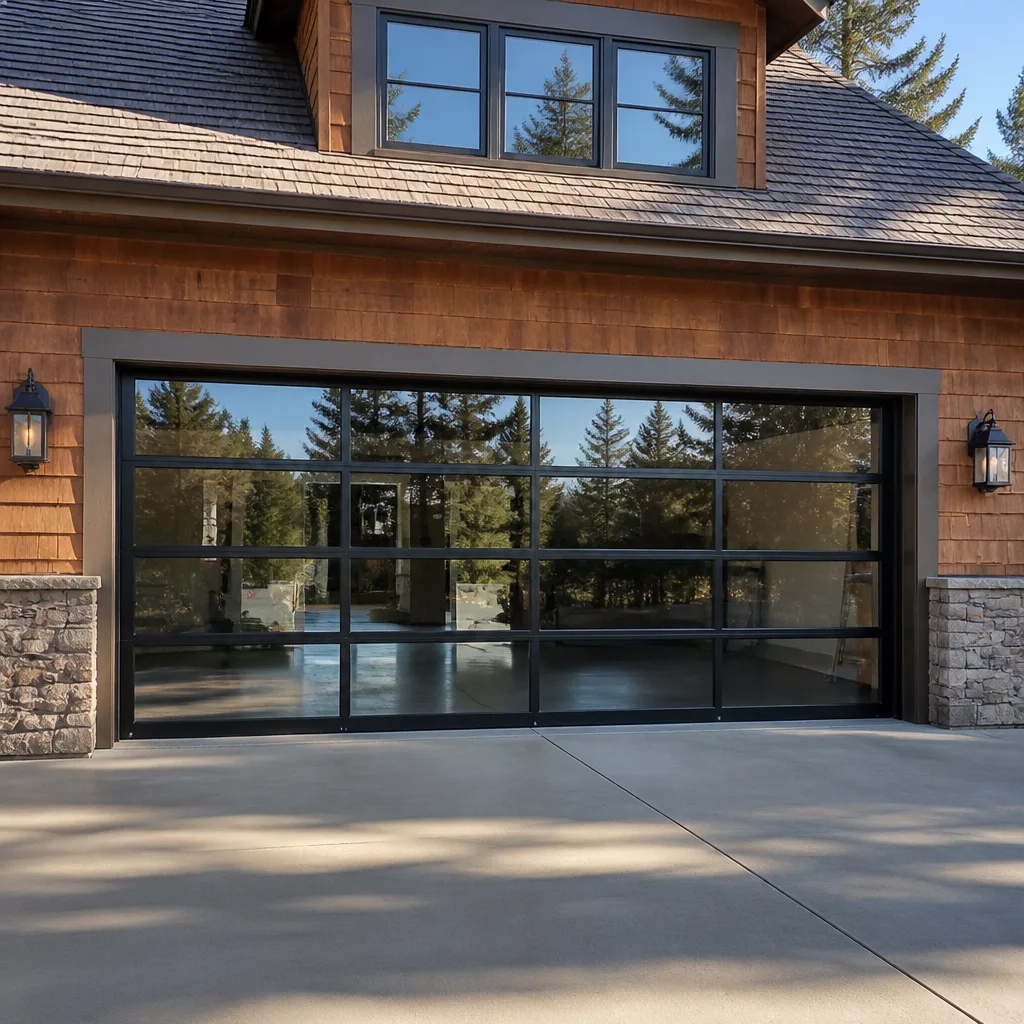 Full-view glass
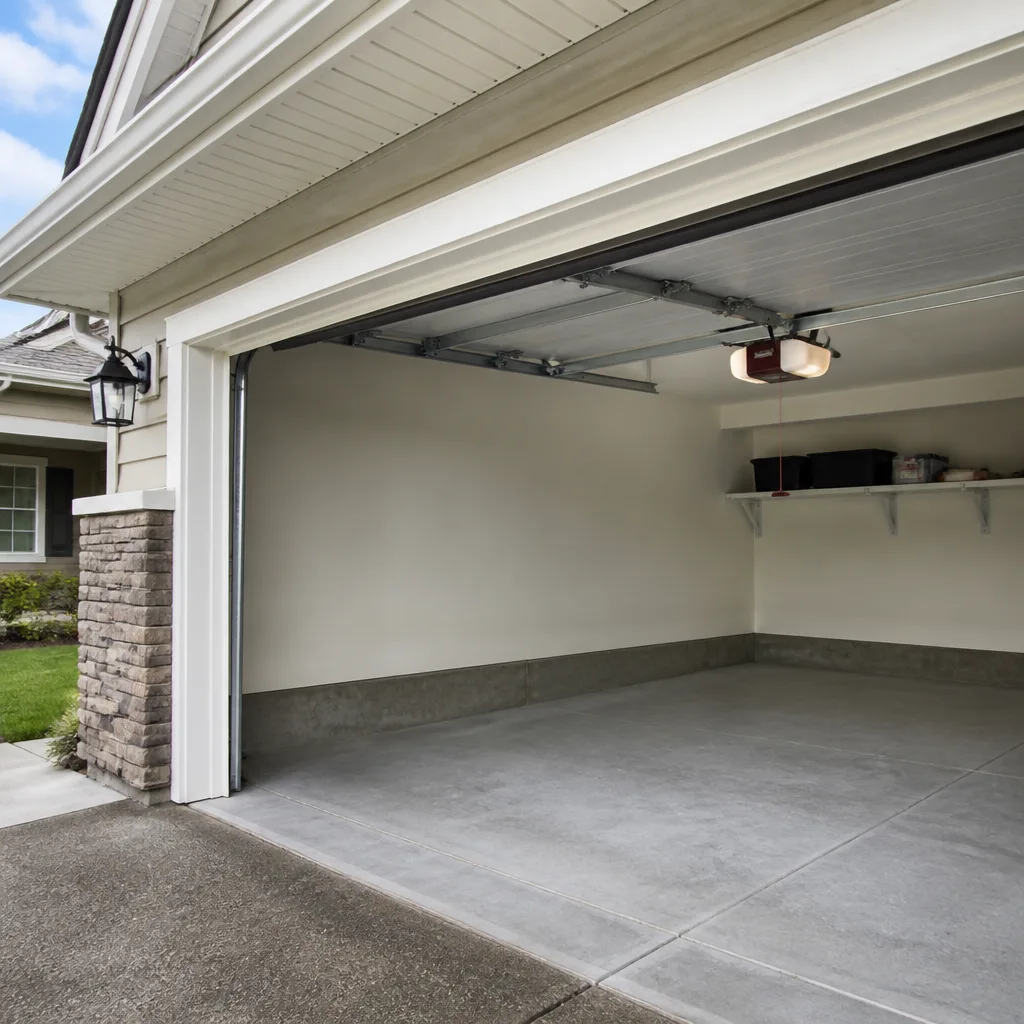 LiftMaster openers
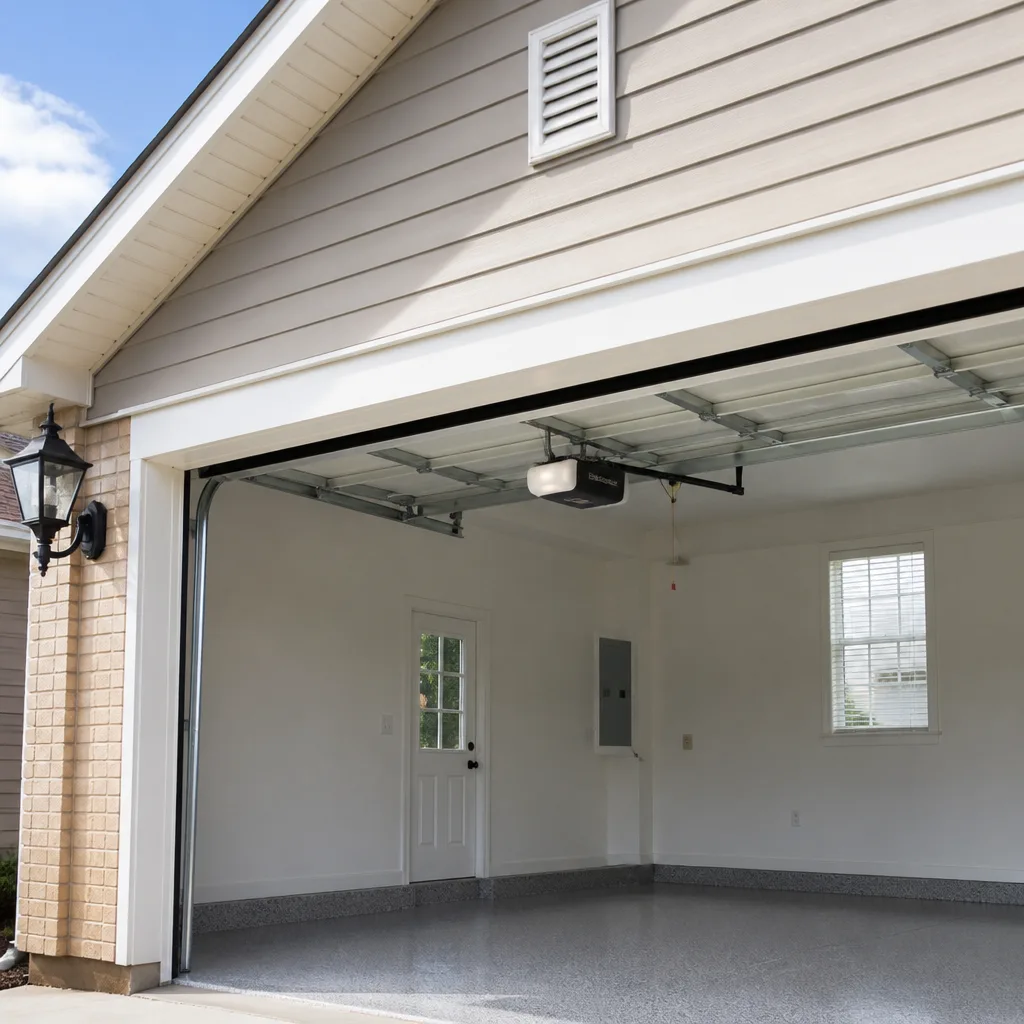 Chamberlain openers
Full 25-point door and opener safety check with every visit - springs, cables, rollers, tracks, and your LiftMaster or Chamberlain opener included
You get a price before we start. It does not change when the pro arrives.
Get your free estimateGarage Door Emergency Preparedness Guide for Capitol Hill Homes
Most garage door emergencies we’re called to in Capitol Hill don’t start with a broken spring. They start with a person in a hurry. Someone’s late, the door hangs halfway down, and they force it up by hand without releasing the opener first. That one motion can jump a cable off its drum and turn a simple adjustment into a full half-day repair. The spring was fine. The opener was fine. The damage came from the four minutes after the failure, not the failure itself.
This guide is about those four minutes. We’ll walk through the four emergency scenarios Capitol Hill homeowners actually face, how to use the emergency release cord without making things worse, how to secure a rowhouse alley garage that won’t close, and what to have ready when you call so a technician arrives with the right parts. Read it once now, while nothing’s wrong, and you’ll handle the real thing far better.
Quick Answer
Garage door emergency preparedness means knowing how to react in the first few minutes of a failure so you don’t cause secondary damage. In Capitol Hill, the priority order is: never force a stuck door by hand, pull the emergency release only when the door is fully closed or the opener is disengaged, secure an open alley garage immediately, and call for service with your door’s brand and symptom ready. A trained technician handles springs and cables because those parts are under extreme tension.
Styles & brands we work with
- Raised-panel steel
- Carriage house
- Modern flush
- Full-view glass
- LiftMaster openers
- Chamberlain openers
Table of Contents
- The Four Emergency Scenarios and What to Do
- How to Use the Emergency Release Cord Safely
- When Your Garage Blocks the Capitol Hill Alley
- How to Secure a Garage That Won’t Close
- What to Have Ready When You Call
- Why Brand Matters in a Capitol Hill Emergency
- Preventive Checks for Capitol Hill Doors
- Common Mistakes to Avoid
The Four Emergency Scenarios and What to Do
Almost every emergency call falls into one of four buckets. Each one has a right move and a wrong move. The wrong move is usually the same: force something that’s already under tension. Here’s the decision tree.
Scenario 1: The door won’t open and your car is inside
- Check the wall switch first, then the remote. A dead remote battery or a tripped wall control looks like a dead door.
- Look at the opener’s light. If it flashes and the door doesn’t move, the safety sensors are likely blocked or misaligned.
- If the door is fully closed, pull the emergency release cord to disconnect the opener and lift the door by hand. A properly balanced door lifts with modest effort.
- If it feels heavy or won’t budge, stop. That’s a spring or cable problem, and forcing it will bend panels or tracks.
Scenario 2: The door won’t close
A door that won’t close is a security problem first and a mechanical one second. Check whether something is in the sensor path – a trash bin, a bike, a shifted paver. If the sensors are clear and the door still reverses, the opener is seeing an obstruction signal it shouldn’t. Close the door manually only if the release is engaged and the door travels smoothly by hand. Otherwise secure the opening and call.
Scenario 3: The door came off track
Stop operating it immediately, by opener or by hand. A door off its track is unbalanced and can fall. Don’t try to lift it back into the track. Keep people and pets away, and treat this as an emergency repair because the door is no longer held safely.
Scenario 4: A spring snapped mid-operation
You’ll usually hear it – a loud bang from the garage. The door may drop partway and stay there. Don’t try to lift it. A door with a broken spring is dead weight, often well over a hundred pounds, and lifting one by hand is how people get hurt. Call for spring repair and leave the door where it sits.
How to Use the Emergency Release Cord Safely
The emergency release cord is the red handle hanging from the opener carriage. Pulling it disconnects the door from the opener so you can move the door by hand. Used correctly, it’s the most useful safety feature on your system. Used wrongly, it’s the source of most of the secondary damage we see in Capitol Hill.
The rule that matters most: pull the release only when the door is fully closed, or when you’ve confirmed the door is balanced and you can control its travel. If you pull it while the door is partway up and the opener is still trying to move the carriage, the carriage can slam forward the moment power returns or the opener cycles. That’s what bends a track or snaps a cable.
Re-engaging the release correctly
- Bring the door to the fully closed position by hand, slowly.
- Pull the release cord down and toward the door so the carriage reconnects to the trolley.
- Once it clicks into place, run the opener one full cycle with no one under the door. Watch that the door travels evenly and the carriage moves smoothly.
- If the carriage won’t re-engage or the door jerks on the first cycle, stop and call. Don’t keep cycling it.
If you’re not sure the door is balanced, don’t pull the cord at all. An unbalanced door can free-fall once disconnected. That’s the moment to call for garage door repair rather than experiment in the dark.
When Your Garage Blocks the Capitol Hill Alley
Capitol Hill’s rowhouse blocks are built around rear alleys, and those alleys are shared. When a garage door fails open, you may be blocking a neighbor’s access, a delivery, or a sanitation truck on its route. That changes the urgency: an open door that won’t close isn’t just your security problem, it’s a shared-access problem.
Here’s how to handle it calmly.
- Warn the neighbors first. A quick knock or note on the alley side lets people plan around the blockage before they’re stuck.
- Clear what you can by hand only if it’s safe. If the door is fully offline and you can move it smoothly, get it out of the travel lane. If it’s off track or a spring is broken, leave it and keep people clear.
- Don’t prop a failed door with bricks or boards. A door under tension can shift and drop. Temporary props give a false sense of security.
- Call for emergency service early. The longer an alley stays blocked, the more neighbors are affected, and the harder it is to move the door once it settles.
In our experience, Capitol Hill alley garages fail more often at the worst possible time – the morning rush, when everyone’s leaving at once. That’s exactly when a quick, clear-headed call matters most. Our Garage Door Repair Capitol Hill team handles emergency requests because a compromised door is a today problem, not a tomorrow one.
How to Secure a Garage That Won’t Close
Until a technician arrives, you need a temporary way to secure an open garage. This isn’t a permanent fix. It’s a holding pattern that keeps the space safe and your belongings inside.
- Lower the door as far as it will safely go by hand, if the release is engaged and it travels smoothly. A door a few inches from closed is far more secure than one wide open.
- Block the opening from the inside with something heavy and stable if you can access the garage safely. Never stand under a door that’s off track or held only by a broken spring.
- Move valuables out of the garage into the house if the door can’t be closed at all.
- Add light and visibility. A well-lit alley is a deterrent. Leave an exterior light on and ask a neighbor to keep an eye out.
- Keep the garage’s interior door locked so no one can pass from the garage into your home.
For a Capitol Hill rowhouse, the interior door between garage and house is your real security line. Lock it. That single step protects the home even if the garage itself stays open for a while. Once our team is on the way, we can talk you through the safest way to reduce the opening before we arrive.
What to Have Ready When You Call
The difference between a fast repair and a two-trip repair is often just the information you give us on the phone. If we know the brand, the symptom, and the door type, a technician can arrive with the right parts instead of making a diagnosis trip first. Have these ready before you dial.
- The door brand. LiftMaster, Chamberlain, Genie, Clopay, Amarr, Wayne Dalton, Craftsman, and Raynor all behave a little differently. Knowing yours lets us prepare.
- What happened, in order. “It made a bang and dropped” points to a spring. “It stopped halfway and the opener light blinks” points to sensors or a logic board.
- Whether the door is open, closed, or stuck partway. This tells us the access and safety situation right away.
- Whether anyone is blocked in – a car inside, an alley blocked, a home behind it.
- The door type: sectional, one-piece, or a single-car rowhouse door.
Give us that on the call and we’ll tell you what to do in the meantime and what to expect. Estimates are free, and the price is quoted and agreed before any work starts.
Why Brand Matters in a Capitol Hill Emergency
Garage doors and openers aren’t interchangeable, and a technician who knows your brand diagnoses faster. On a LiftMaster opener, the error code and the smart-home integration behave differently than on a legacy Craftsman unit. A Wayne Dalton door with its own spring system accepts certain parts and not others. A Raynor installation has its own hardware quirks. When we know the brand up front, we’re not guessing.
We’re factory-familiar with eight of the most common brands in the Capitol Hill area: LiftMaster, Chamberlain, Genie, Clopay, Amarr, Wayne Dalton, Craftsman, and Raynor. That covers the openers and doors on most rowhouse blocks, so you’re not bounced to a manufacturer or told we don’t work on your system.
Spring repair is a named specialty for us, not an upsell. Torsion and extension springs are the highest-tension parts of any door, and handling them safely takes specific tools and training. When a spring lets go, the right call is a technician who works on that component every week. Our technicians have up to 8 years of experience across these systems.
Preventive Checks for Capitol Hill Doors
Most emergencies give warning signs weeks before they happen. A few minutes of checking now can spare you the 7:45 AM scramble later. These are observations to make, not repairs to attempt yourself – anything involving springs or cables belongs to a technician.
- Listen. A grinding or scraping sound as the door moves often means a roller or track issue is developing.
- Watch the travel. A door that shudders, jerks, or moves unevenly is telling you the balance is off.
- Look at the springs. A visible gap in a torsion spring means it’s broken. Don’t touch it – just note it and call.
- Test the balance. With the door disconnected and fully closed, lift it partway by hand and let go. A balanced door holds its position. One that slams down is out of balance.
- Check the sensors. Clear cobwebs and leaves away from the electric-eye lenses, especially after a windy stretch.
- Look at the cables. Frayed or slack cables are a safety concern. Note it and call for garage door opener repair or a door service visit rather than handling it yourself.
Capitol Hill’s older rowhouse garages often carry decades of wear on original hardware. A door that’s been quietly aging for years can fail suddenly. A quick check each season gives you time to schedule a repair instead of making an emergency call.
Common Mistakes to Avoid
- Forcing a stuck door by hand without releasing the opener. This is the single most common cause of a cable jumping its drum, and it turns a short repair into a half-day job. Always disengage the opener before you move the door manually.
- Pulling the emergency release while the door is partway up and the opener is still engaged. The carriage can slam forward when power returns, bending the track. Pull the release only when the door is fully closed or you’ve confirmed it’s balanced.
- Trying to lift a door with a broken spring. Without the spring, the door is dead weight and can fall on you. Leave it shut and call for spring repair.
- Prop-hanging an open door with bricks or boards. It feels secure but can shift without warning. It’s not a fix and it can hide a larger problem.
- Leaving an alley garage open without securing the interior door. In a Capitol Hill rowhouse, the door between garage and home is your real security line when the overhead door won’t close.
- Calling without the brand and symptom ready. It sounds small, but it’s the difference between a technician arriving with the right part and a second trip.
- Cycling the opener repeatedly to “see if it works.” If the door stops, jerks, or reverses on its own, stop running it. Each cycle makes a developing problem worse.
See the difference
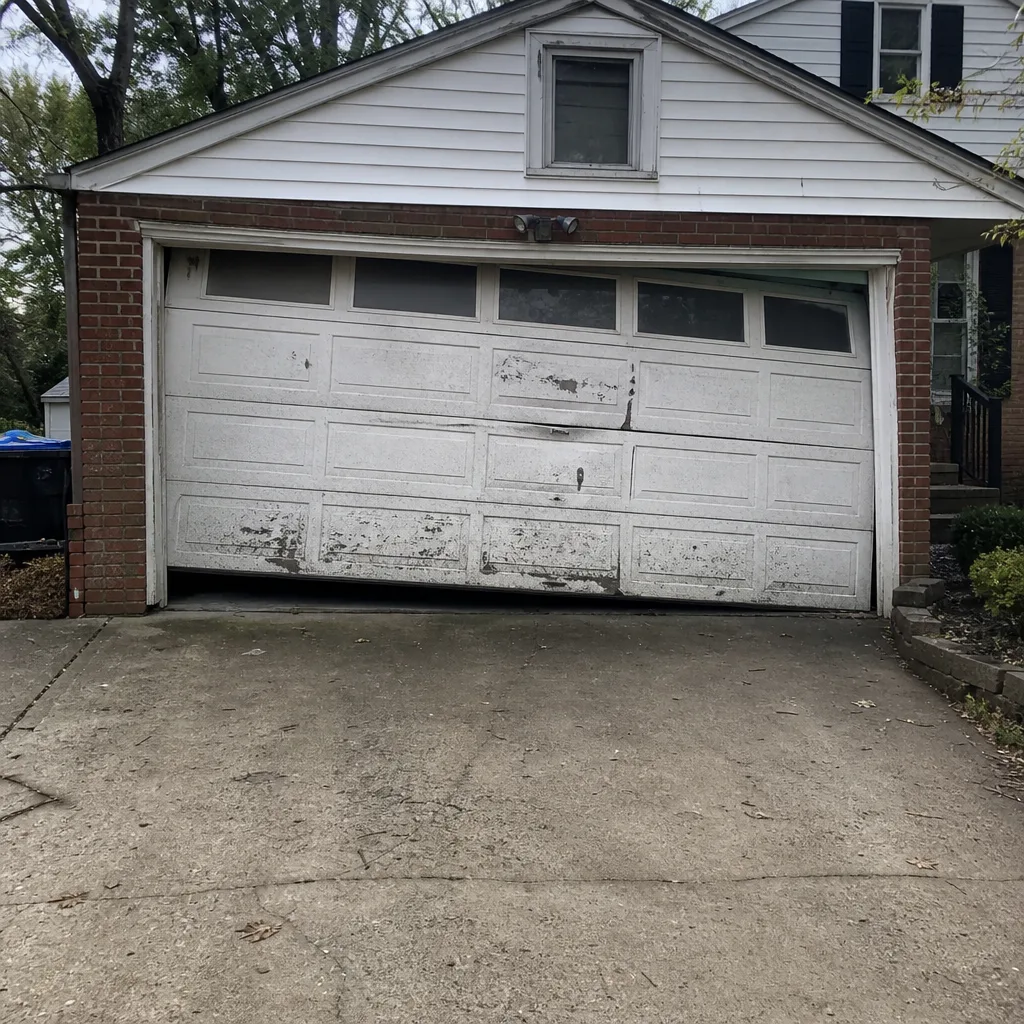 Before
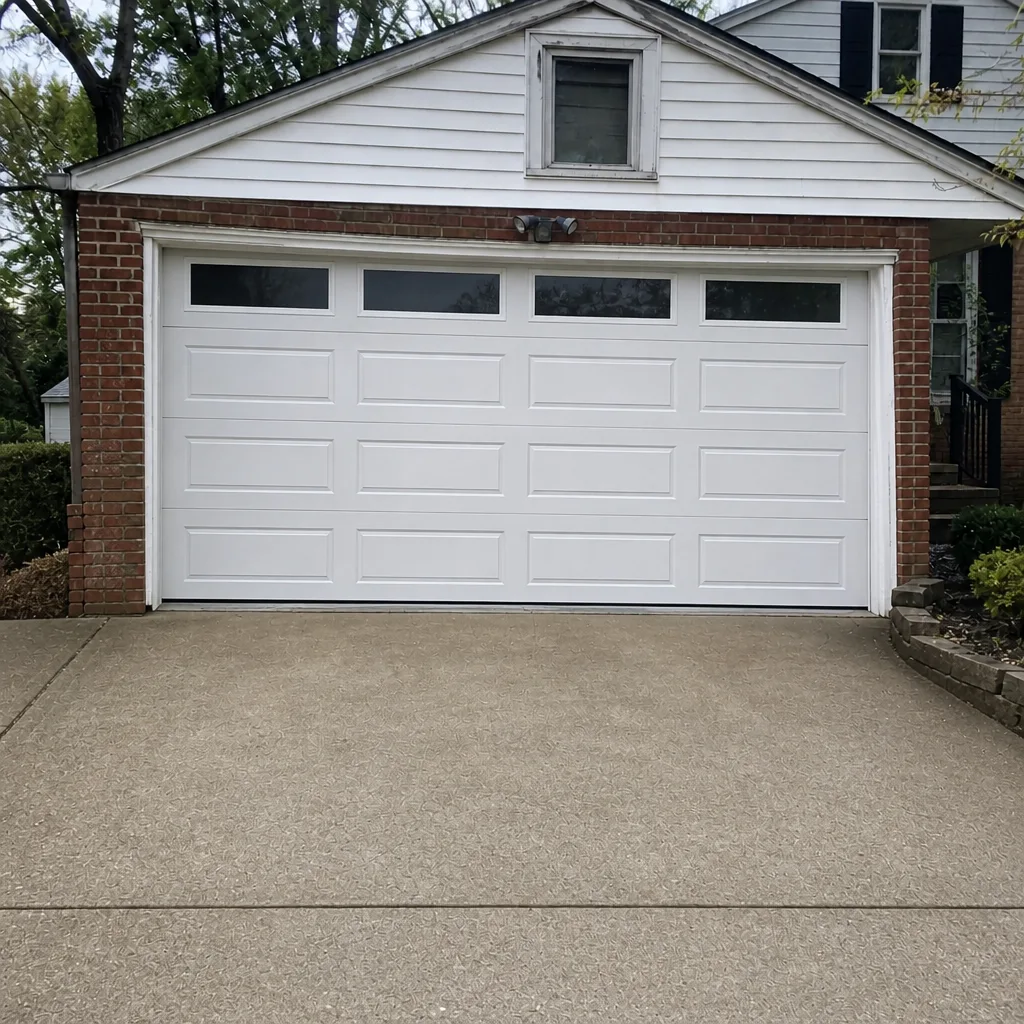 After
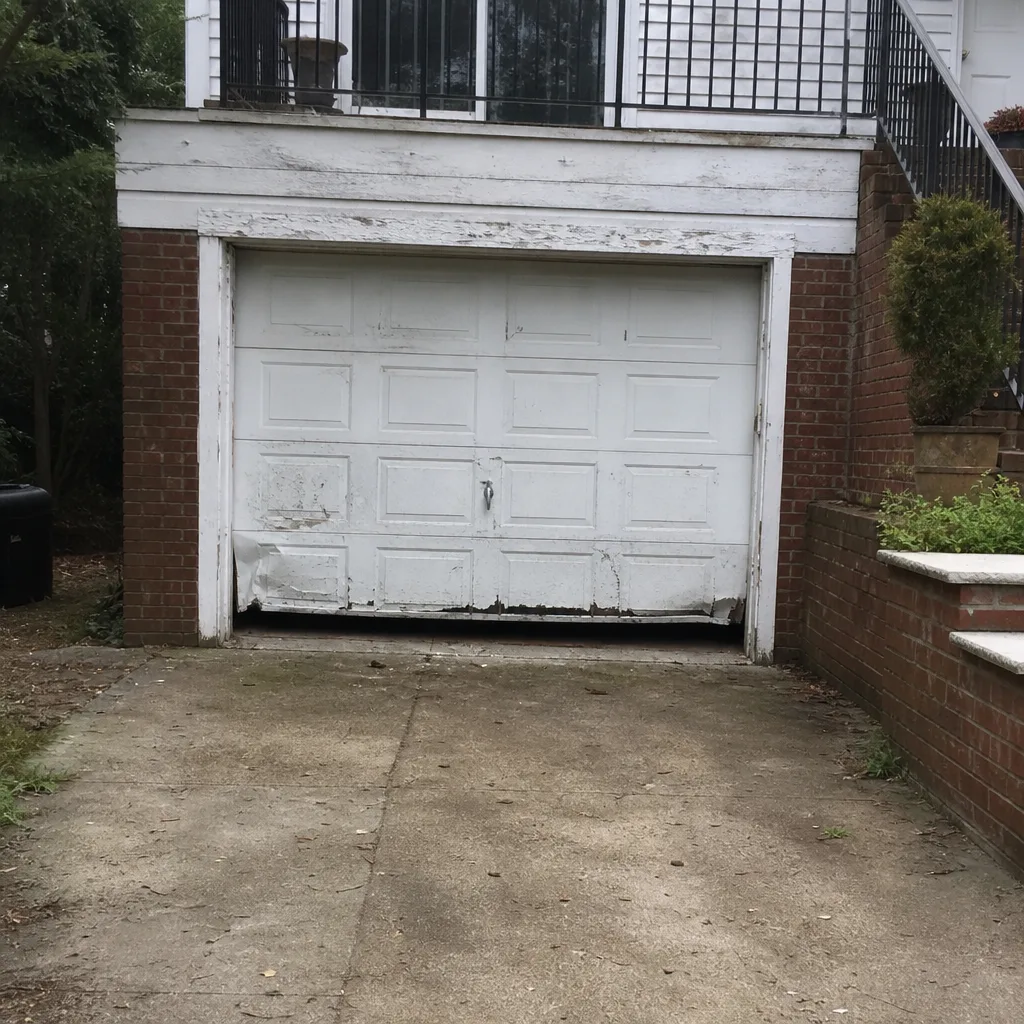 Before
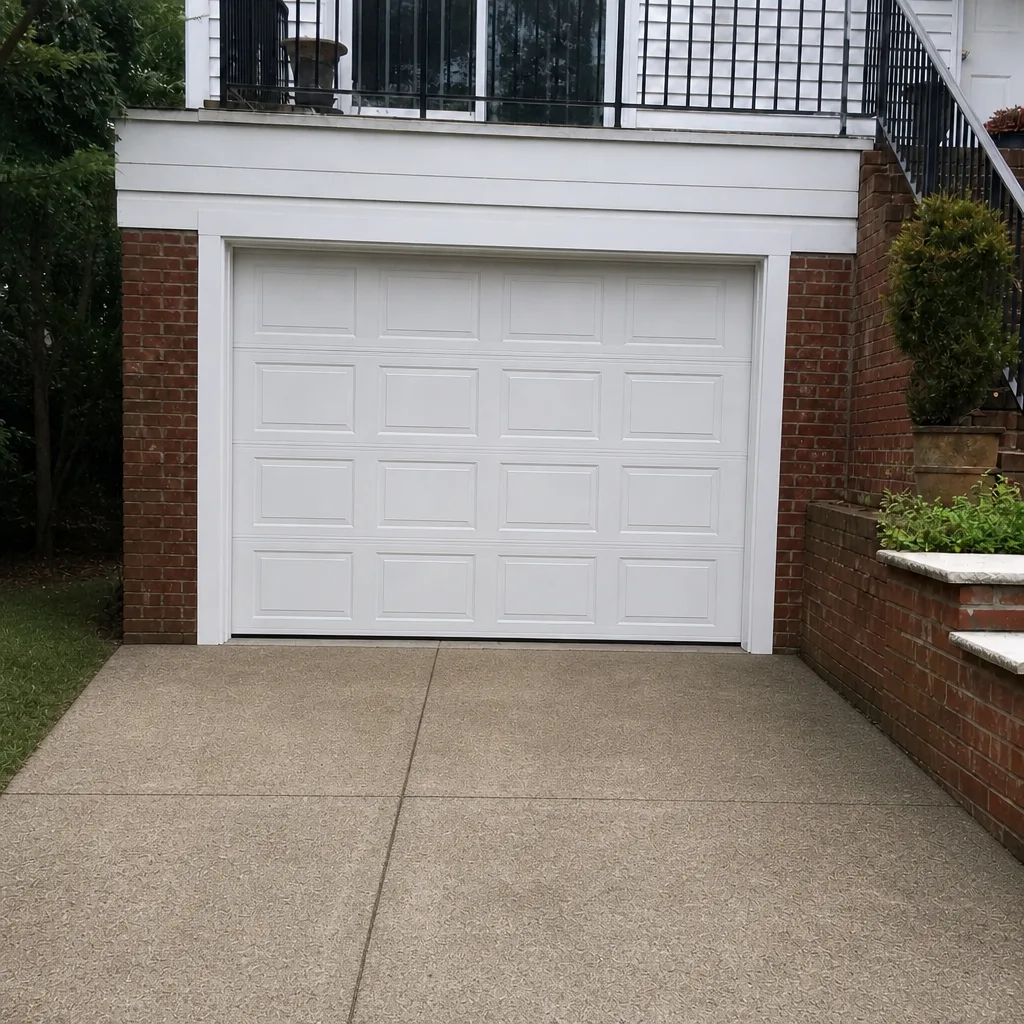 After
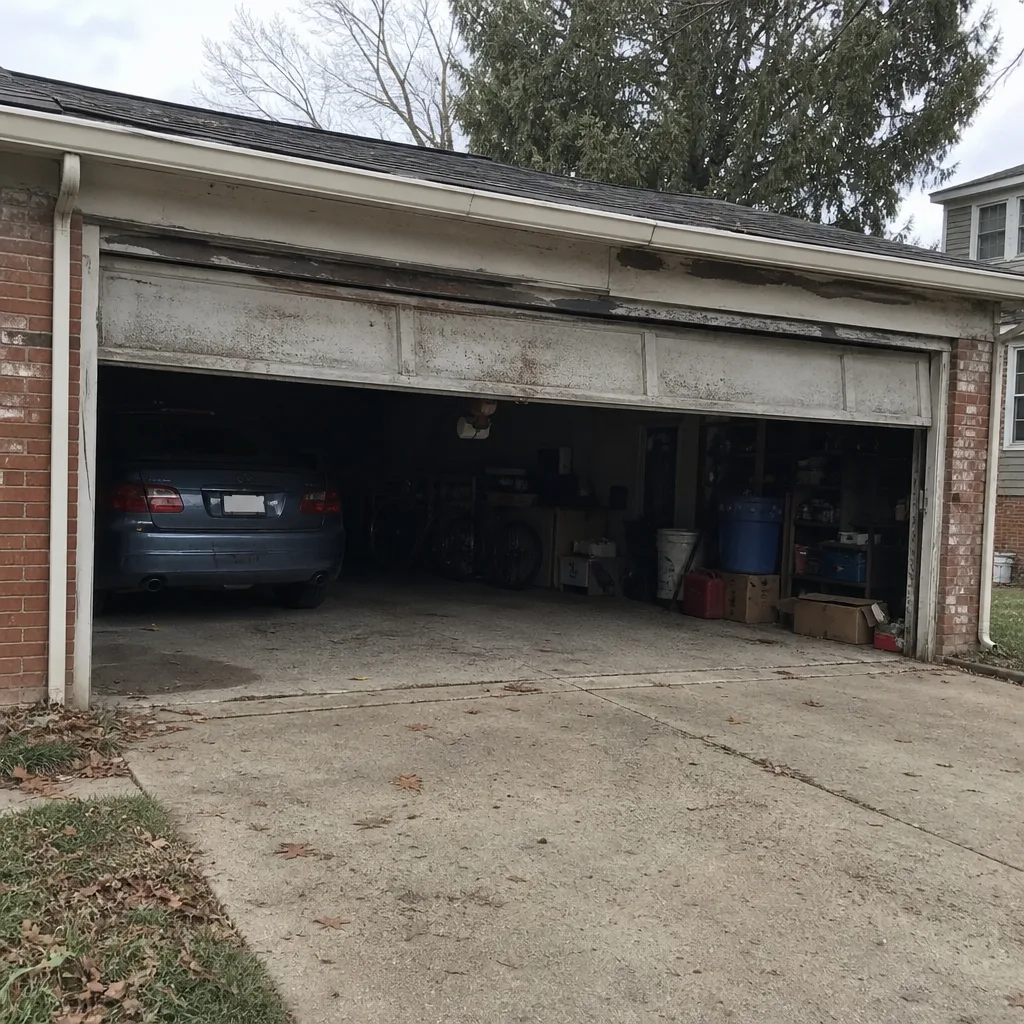 Before
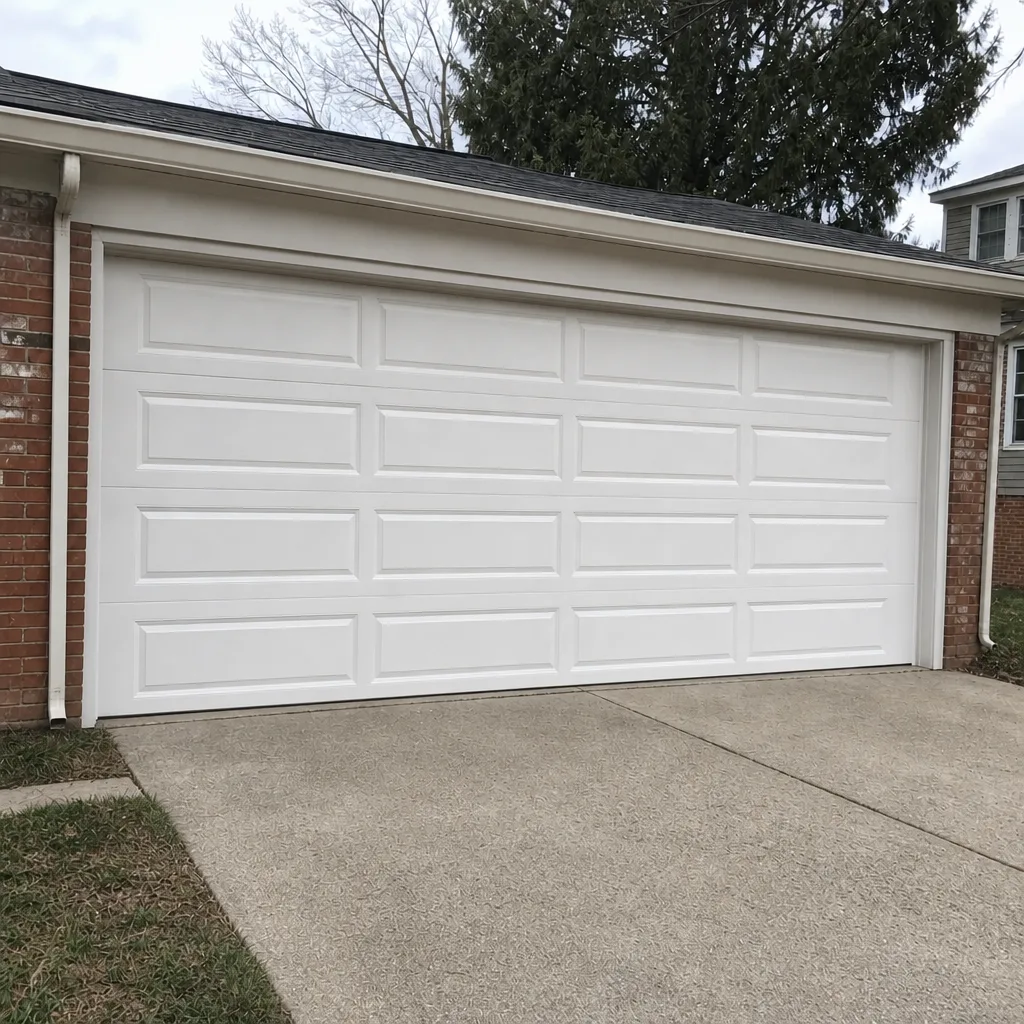 After
When to Call a Professional
Call a professional for anything involving springs, cables, or a door that’s off track. Those parts are under tension and can cause serious injury if handled wrong. Also call if the door won’t close and you can’t secure it, if you’re blocked in, or if the door moves unevenly by hand. A quick call beats a bent track every time.
For scheduled work like a new door or an opener replacement, the process is measured, ordered, and installed on a planned date. Get a free measure and a written garage door installation estimate first. Garage Door Repair Capitol Hill offers free estimates in Capitol Hill. Call (855) 604-5978 and we’ll help you decide whether it’s an emergency or a scheduled fix.
Frequently Asked Questions
A garage door emergency is any failure where the door can’t be operated safely or your home isn’t secure – a snapped spring, a door off track, a door stuck open on an alley, or a door that won’t close. If a door won’t open and your car is trapped, that’s an emergency too. Call (855) 604-5978 and we’ll help you figure out the next step.
Yes, if the door is fully closed and you pull the emergency release cord first. Lift the door by hand only if it’s balanced and moves smoothly. If it’s heavy or won’t budge, that’s a spring or cable problem and you should stop and call for garage door opener repair rather than force it. Call (855) 604-5978 for an exact diagnosis.
Close the door fully by hand first, then pull the release cord to reconnect the carriage to the trolley. Run the opener one full cycle and watch for smooth travel. If it jerks or the carriage won’t catch, stop and call – that means something’s off with the balance or track. Call (855) 604-5978 for help.
Secure your home first, then warn your neighbors. Lock the interior door between garage and house, clear people from the alley, and move valuables inside. Don’t prop the door with bricks. Then call for emergency service so the alley and your garage can be secured properly. Call (855) 604-5978 and we’ll talk you through the safest step.
Have the door brand, what happened in order, whether the door is open or closed, and whether anyone is blocked in. Knowing the brand – LiftMaster, Chamberlain, Genie, Clopay, Amarr, Wayne Dalton, Craftsman, or Raynor – lets us prepare the right parts. Estimates are free, and the price is agreed before work starts. Call (855) 604-5978.
No. We quote and agree on the price before any work starts, so you know the cost up front. If we find an additional problem, we’ll explain it and get your approval before doing anything else. Call (855) 604-5978 for a free estimate.
The Bottom Line
Garage door emergencies in Capitol Hill come down to what you do in the first four minutes. Don’t force a stuck door. Pull the release only when it’s safe. Secure an open alley garage by locking the interior door. Call with your brand and symptom ready. Those four habits prevent most of the secondary damage we see – the bent tracks, the snapped cables, the half-day repairs that started as a twenty-minute fix. Keep this guide somewhere you can find it, check your door each season, and when something does go wrong, call a technician who works on your brand. Call (855) 604-5978 for a free estimate – we handle repair, springs, openers, and full installation.
Written by the team at Garage Door Repair Capitol Hill.