Last updated November 21, 2026
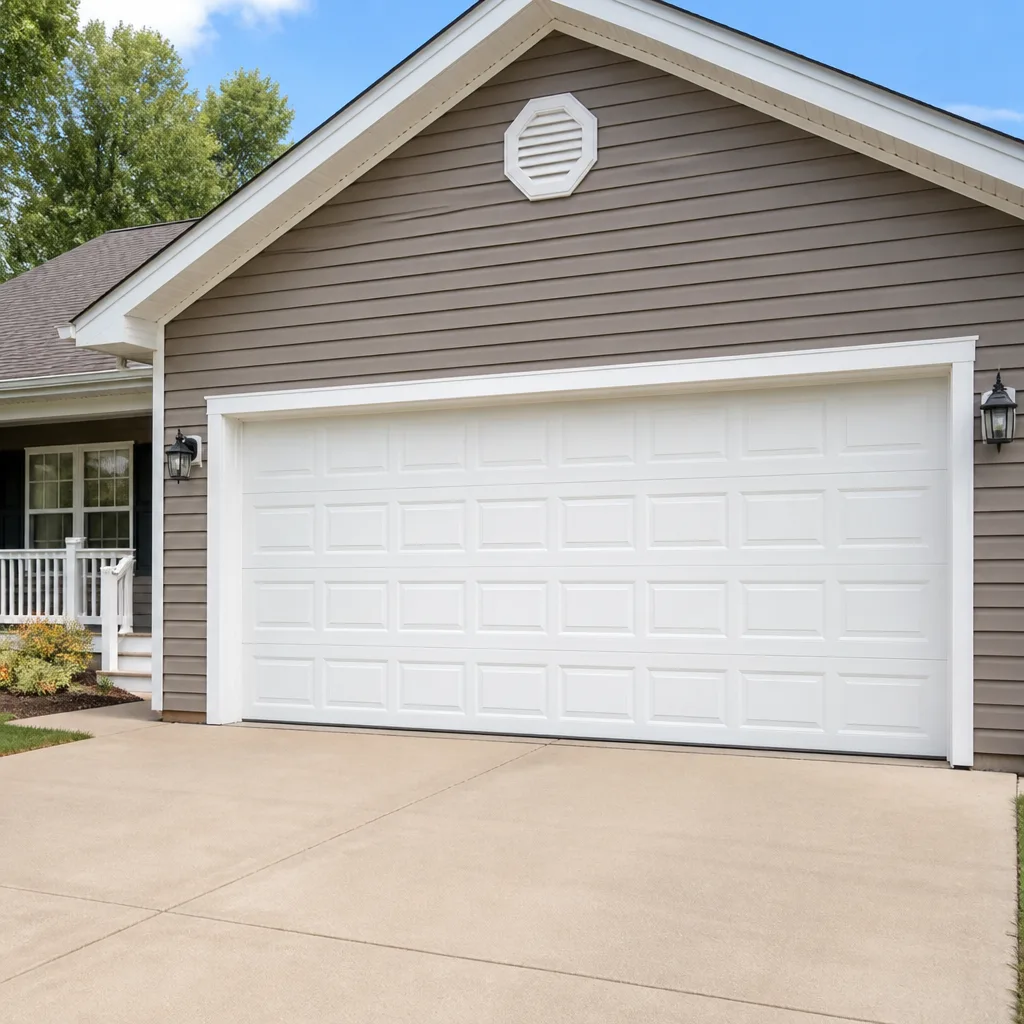 Raised-panel steel
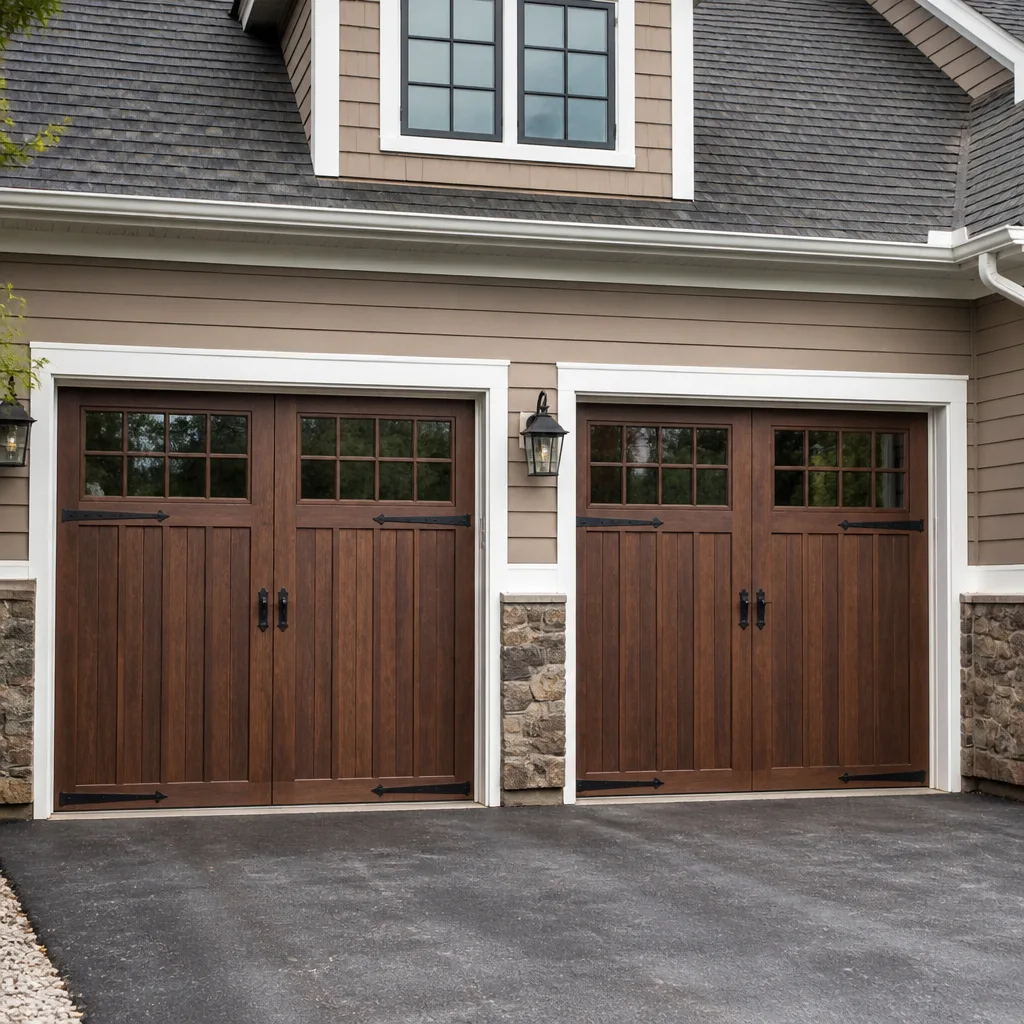 Carriage house
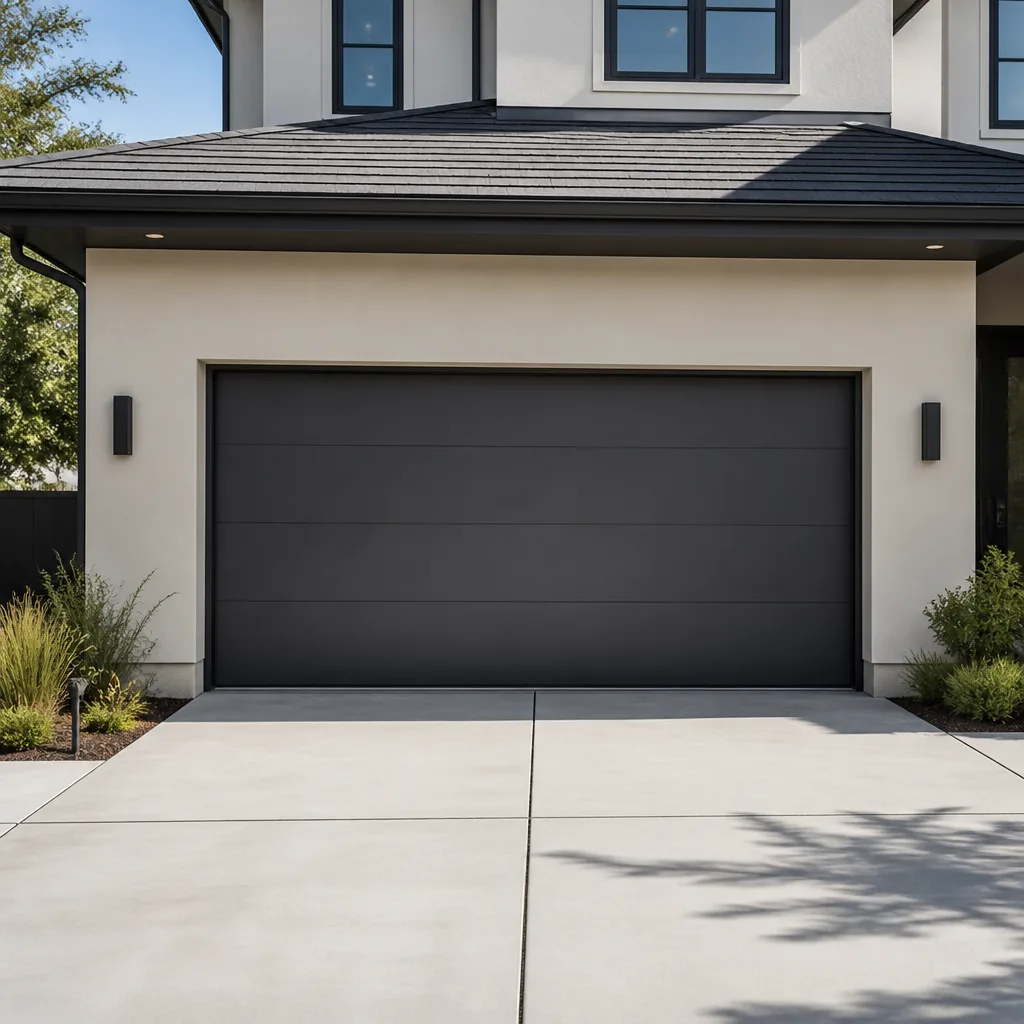 Modern flush
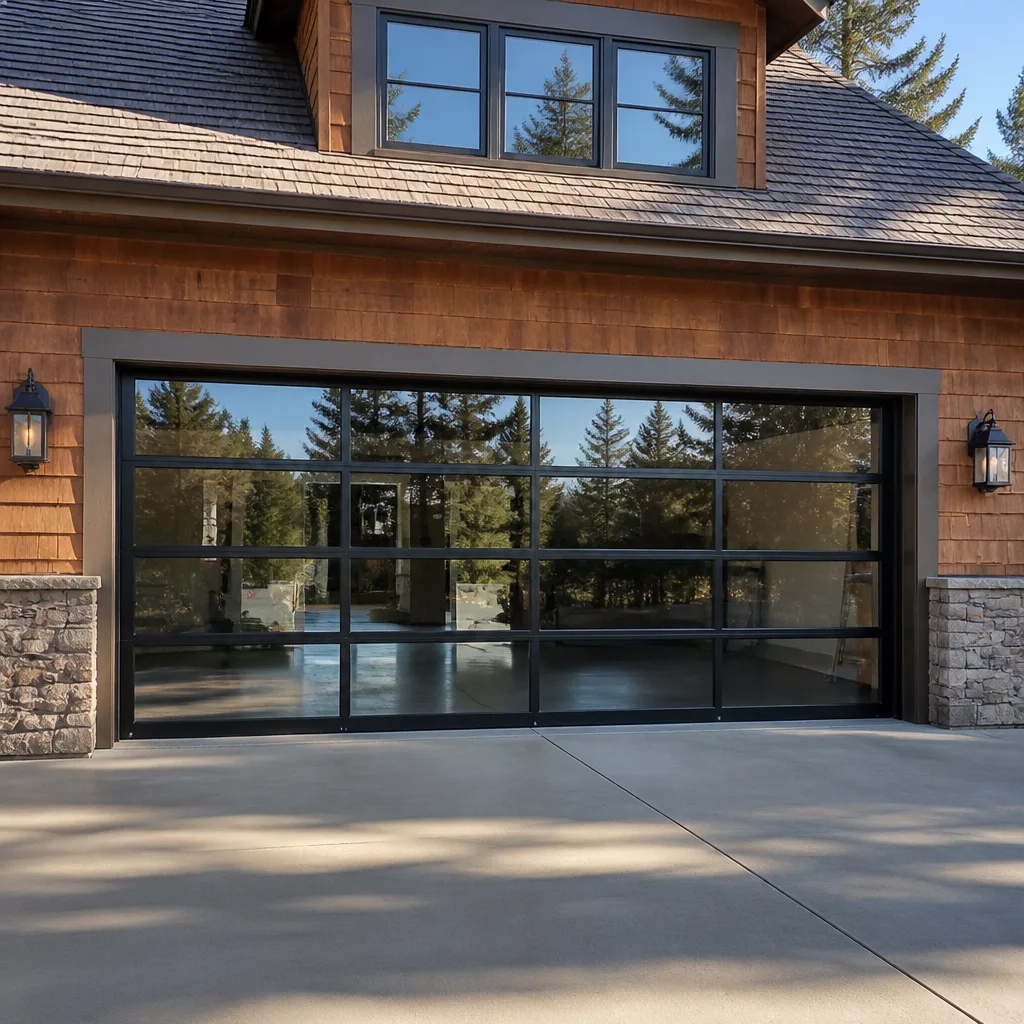 Full-view glass
 LiftMaster openers
 Chamberlain openers
Full 25-point door and opener safety check with every visit - springs, cables, rollers, tracks, and your LiftMaster or Chamberlain opener included
You get a price before we start. It does not change when the pro arrives.
Get your free estimateGarage Door Cost Breakdown: The Capitol Hill Homeowner’s Reference for 2026
Two quotes for the same broken spring can sit $300 apart and still both be legitimate. One includes new cables, new drums, and haul-away. The other replaces the spring and leaves the frayed cable in place – which is a customer service problem waiting to happen three weeks later. This guide is our attempt to close that gap. We’ll break down what each Capitol Hill garage door repair actually costs in 2026, where DC labor premiums come from, how historic district rules add real dollars to a door replacement, and how to read an estimate so nothing surprising shows up on the invoice. If you’ve ever stared at a quote and wondered what you were actually paying for, this is for you.
Quick Answer
Garage door repair in Capitol Hill, DC typically runs $180 to $340 for a single torsion spring, $600 to $700 for a matched pair, and $350 to $650 for a standard opener replacement, with DC labor rates pushing most jobs 10-20% above the national average. A full door replacement in a Capitol Hill historic district often lands 15-30% higher than a standard installation once material sourcing and historic preservation review are factored in. Every price below is an estimate – the written quote you receive before work starts is the number that matters.
Styles & brands we work with
- Raised-panel steel
- Carriage house
- Modern flush
- Full-view glass
- LiftMaster openers
- Chamberlain openers
Table of Contents
- Line-Item Cost Breakdown by Repair Type
- What Spring Replacement Really Costs in Capitol Hill
- Why Historic District Door Replacements Cost More
- How to Read a Garage Door Estimate
- The Real Cost of DIY
- Warranties and Financing in the DC Market
- Questions to Ask Before You Sign
- Common Mistakes to Avoid
Line-Item Cost Breakdown by Repair Type
Most cost guides quote a single national average that flattens out the differences between a spring repair, a panel swap, and an opener replacement. Those are three different jobs with three different labor profiles. Here’s how the numbers break out for Capitol Hill in 2026, with DC-area labor built in.
Repair cost ranges, 2026
| Repair Type | Typical Estimated Range |
|---|---|
| Torsion spring replacement (one spring) | $180 – $340 |
| Torsion spring replacement (matched pair) | $360 – $680 |
| Extension spring replacement (one) | $150 – $280 |
| Cable replacement (per side) | $90 – $180 |
| Opener replacement (standard belt or chain) | $350 – $650 |
| Opener repair (logic board, motor, sensor) | $150 – $400 |
| Single panel replacement | $250 – $550 |
| Roller and hinge tune-up | $120 – $250 |
| Full door replacement (standard) | $1,300 – $2,800 |
| Full door replacement (Capitol Hill historic consideration) | $1,600 – $3,600 |
A few notes on why these ranges are wide. The price of a torsion spring depends on cycle rating, wire gauge, and door weight. The price of an opener depends on whether you’re installing a basic chain unit or a LiftMaster or Chamberlain smart unit that needs the Wi-Fi and battery backup wired in correctly. And the price of a panel depends on whether your door is a still-in-production model from a manufacturer like Amarr or Wayne Dalton, or a discontinued line where the technician has to source a matching panel through a supplier instead.
What these ranges do not include: haul-away fees, dumpster permits if your DC block needs one, or any structural carpentry beyond the door and track. Those are exactly the items that get added last and sting most, so we’ll cover them in the estimate-reading section below.
What Spring Replacement Really Costs in Capitol Hill
We’ll repeat this for emphasis: a spring price is for one spring. If your door has two torsion springs (most modern double-car doors do), and both are the same age, replacing them as a matched pair is standard. Budget roughly double the single-spring number. A pair of springs replaced at $600 is not unusual in Capitol Hill in 2026.
Why this matters. Your springs are the highest-tension component in the entire system, holding the full weight of the door under tension while it’s open. When one spring breaks, the second spring on the same door is usually close behind, and the shorter remaining lifespan will often surface within months. Replacing both at once costs less than calling for a second visit later, and it means one trip, one labor charge, one haul-away.
What’s in a properly quoted spring job
- New spring(s) sized to your door’s weight and cycle-rating needs.
- Cable inspection and replacement if needed – a snapped spring under load puts a shock on the cables, and a frayed cable is a separate failure risk.
- Drum and bearing plate check – worn drums accelerate spring wear.
- Balance and travel-limiter reset – the door needs to lift and close evenly, and your opener’s travel limits need adjusting to match the new springs.
- Haul-away of the old springs and hardware.
That’s why a quote from a national chain and a quote from a local technician can land $200 apart. The chain quote may cover the spring and the labor, but exclude the cable work, the travel-limiter reset, and the haul-away – all of which surface on the final invoice.
We don’t recommend DIY spring work. Not because it’s a job size issue, but because torsion springs are stored under hundreds of pounds of tension, and unwinding them with the wrong tool or in the wrong order is how serious hand and arm injuries happen. A trained technician carrying the right winding bars is the whole point of this being a specialty. If you’re dealing with a snapped spring in Capitol Hill and want it done right, garage door repair appointments can be scheduled with a free estimate first.
Why Historic District Door Replacements Cost More
Capitol Hill has a lot of homes where you can’t just buy a stock door and hang it. The Capitol Hill Historic District, the surrounding historic overlays, and the broader DC review framework mean door replacements in this neighborhood often trigger a design review process. That adds cost in three specific places.
1. Material sourcing
Original door profiles – panel styles, glass proportions, wood species – often aren’t available as stock. A specialist has to source panels from a small set of manufacturers that produce profiles closer to historic norms. Amarr and Raynor both offer panel styles that come closer to historic profiles, but they’re not the cheapest doors in a manufacturer’s lineup; the custom order timeline and freight costs add to the price before a technician touches the tracks.
2. Design review submission
Historic district door changes typically require submitting design plans for review before installation. There’s a submission fee and a review timeline, and both vary by district and the scope of the change. We’ve seen the review window stretch the project out by weeks in Capitol Hill; plan for it. Your city’s historic preservation office can confirm the exact fee and process for your block – we always suggest asking them directly before you commit to a door spec.
3. Longer install windows
A standard door swap on a typical garage can land in a single visit. A historic-review door often needs an extra visit for trim integration, painting coordination, or carpentry to blend the door into the existing facade. Two visits means two labor windows, and that’s why the replacement range above for historic consideration runs 15-30% over the standard.
How to Read a Garage Door Estimate
A good estimate tells you three things: what’s being done, what’s included, and what’s explicitly excluded. A bad estimate replaces the first two with vague language and leaves the third blank, which is where surprise invoice items come from. Read every line, then ask the following questions.
The five-line check
- Is the spring count specified? One spring or a pair. If the estimate says “replace spring” with no count, ask.
- Is cable hardware included? New cables, drums, and cable clamps aren’t consumables people always think about, but they should be line items.
- Is the opener’s travel limit reset included? If your spring job also involves opener re-setup, that’s a labor line.
- Is haul-away listed? A dumpster permit may also be needed depending on where the garage sits relative to your block’s parking and alley rules in Capitol Hill. Ask who pulls it.
- Is the balance test in the scope? A door that isn’t balanced after new springs is a middle-of-the-night safety check waiting to fail.
If any of these are missing, ask the technician to add them to the written quote before work starts. The written quote is the price. When that language shows up – “the written quote is the price” – it should mean something. It should not mean “the number we say when we arrive is the number we invoice.”
Opener work has its own set of line items. If you’re pricing a new garage door opener repair, check whether the estimate includes programming remotes and HomeLink, wiring in a battery backup if the unit has one, and confirming that the safety sensors are aligned and tested. On a LiftMaster or Chamberlain smart unit, Wi-Fi pairing and app setup should be listed explicitly; on a legacy Craftsman or Genie unit being replaced, the estimate should say what happens to the existing wall button and safety sensors.
The Real Cost of DIY
We’ll be direct about this, because we’ve seen the result of a botched installation more than once. The DIY spring repair isn’t a job you finish half-cost. It’s either a job you complete perfectly or it’s a job you abandon with the door in a state that no one can re-set without remedial work.
What remediation typically involves
- Replacing springs that were sized incorrectly or installed with the wrong wind direction
- Replacing cables that were kinked or bent during an attempt
- Realigning track that was knocked out of plumb during a fall
- Carpentry on a door that dropped unevenly and damaged the bottom section
- Any opener travel-limiter re-set after the door geometry has been restored
Remediation on a spring installation alone can run higher than the original professional repair would have cost. That’s before we get to the injury risk. Springs, cables, and drums store energy. If a cable slips or a spring unseats while you’re holding it, it’s a real injury event. This is one area where we strongly recommend calling a trained technician, and we say that whether or not the technician is us.
If you’ve already started and stopped, don’t try to reset it yourself. Call. Emergency service exists for cases like this, and it’s cheaper than a torn-up door. Same-day emergency appointments are available in Capitol Hill during our service hours of 7am to 7pm, and a trained technician can assess what’s recoverable.
Warranties and Financing in the DC Market
The phrase “5-year parts and labor warranty” shows up in a lot of quotes, and it can mean two very different things. Read the fine print on two questions: what parts are covered, and what labor is included.
What’s typically covered
- Manufacturer defects in the spring wire or opener motor
- Installation labor for a covered part within the warranty period
- Defects in hinges and rollers that fail under normal use
What’s typically excluded
- Wear from use – springs do wear out; they’re a wear part by design
- Damage from a vehicle, storm, or impact
- Misalignment caused by a shifting foundation or track settling
- Opener logic board or remote failures after the manufacturer’s own warranty expires
- Cosmetic panel damage after installation
On financing: some DC-area contractors offer financing on door replacement, some don’t. If a financing offer is important to you on a $2,000+ Capitol Hill installation, ask directly whether the quote includes financing, and get the term in writing. If financing isn’t offered, the honest answer is the deposit and payment schedule for a door that has to be custom-ordered.
On the install side: a new-door estimate should include the door, tracks, springs, rollers, hinges, and the opener re-programming if you’re keeping the existing opener. A free measure followed by a written price is the right sequence for a garage door installation. Installation timing gets scheduled around the door lead time and the historic review window, not same-day.
Questions to Ask Before You Sign
An estimate isn’t a contract until you ask these questions and get written answers. A reputable technician will answer them without flinching.
- “Is this quote final, or is there a chance the invoice will differ?” The right answer is that the price is quoted and agreed before any work starts, and any additions require your approval.
- “Is the cable replacement included?” A snapped spring under load usually means a cable inspection. It should be an explicit line, not a verbal promise.
- “Is haul-away included, and who pulls a dumpster permit if one is needed?”
- “What does the warranty cover and what does it exclude?” Ask for the exclusion list in writing.
- “Is the technician experienced with my brand?” If the door is a Clopay, an Amarr, a Wayne Dalton or a Raynor, ask specifically. Brand-specific logic matters on issues like track radius, panel interlock, and opener compatibility, and factory-familiar technicians diagnose faster and replace fewer parts than they need to.
- “If this is a historic district door, what’s the design review timeline?”
- “Will you show me the door’s balance test after the job?” A balanced door should lift halfway and stay put without an opener.
One more: ask what happens if something else is discovered during the repair – worn bearings, a cracked bottom bracket, or a bent track. The answer should be: the technician stops, tells you, and quotes the extra before continuing. Anything else is how estimates balloon into invoices.
Common Mistakes to Avoid
- Judging quotes by the headline price only. A $900 quote and a $1,200 quote for the same job are often not the same job. Compare line items, not totals. If one quote covers cable replacement and haul-away and the other doesn’t, the cheaper quote isn’t cheaper.
- Replacing one spring when both are the same age. In Capitol Hill, we see this a lot on older doors. The second spring usually fails within months. If you’re paying a labor window for one, it’s worth pricing the pair.
- Buying a stock door for a historic district home before checking review requirements. Design review in a historic district can stretch the timeline by weeks. Confirm the process with the city’s historic preservation office before ordering.
- Assuming the cheapest opener is the right opener. Openers need to be rated for the door’s weight and cycle count. A stock opener running a heavier wood door will burn out its motor early. Match the unit to the door.
- Skipping the balance test after spring work. It takes two minutes and tells you whether the job is really finished.
- Accepting a verbal promise about cable work. If it isn’t in the written estimate, it isn’t agreed.
- Trying to un-stick a door by forcing it. On a snapped spring, forcing a door up can bring it down on you. Call for service instead.
See the difference
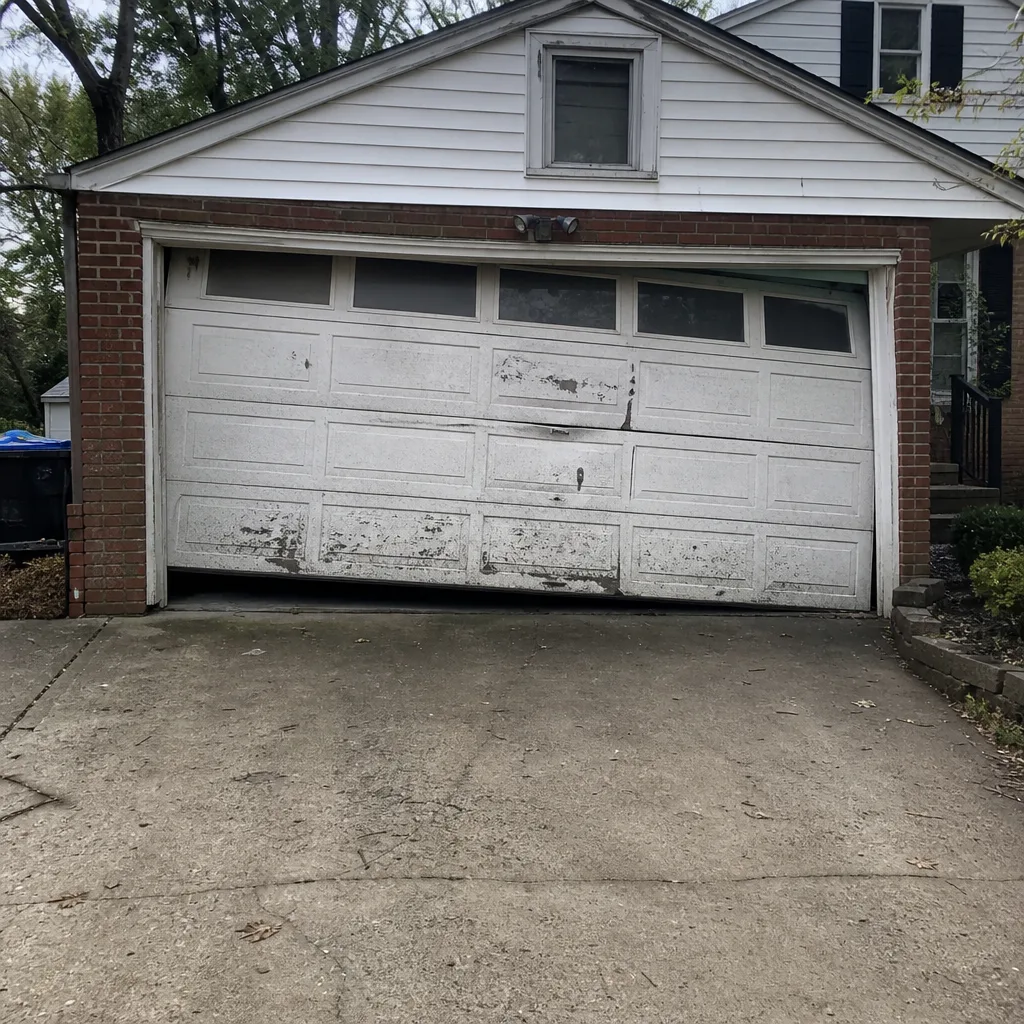 Before
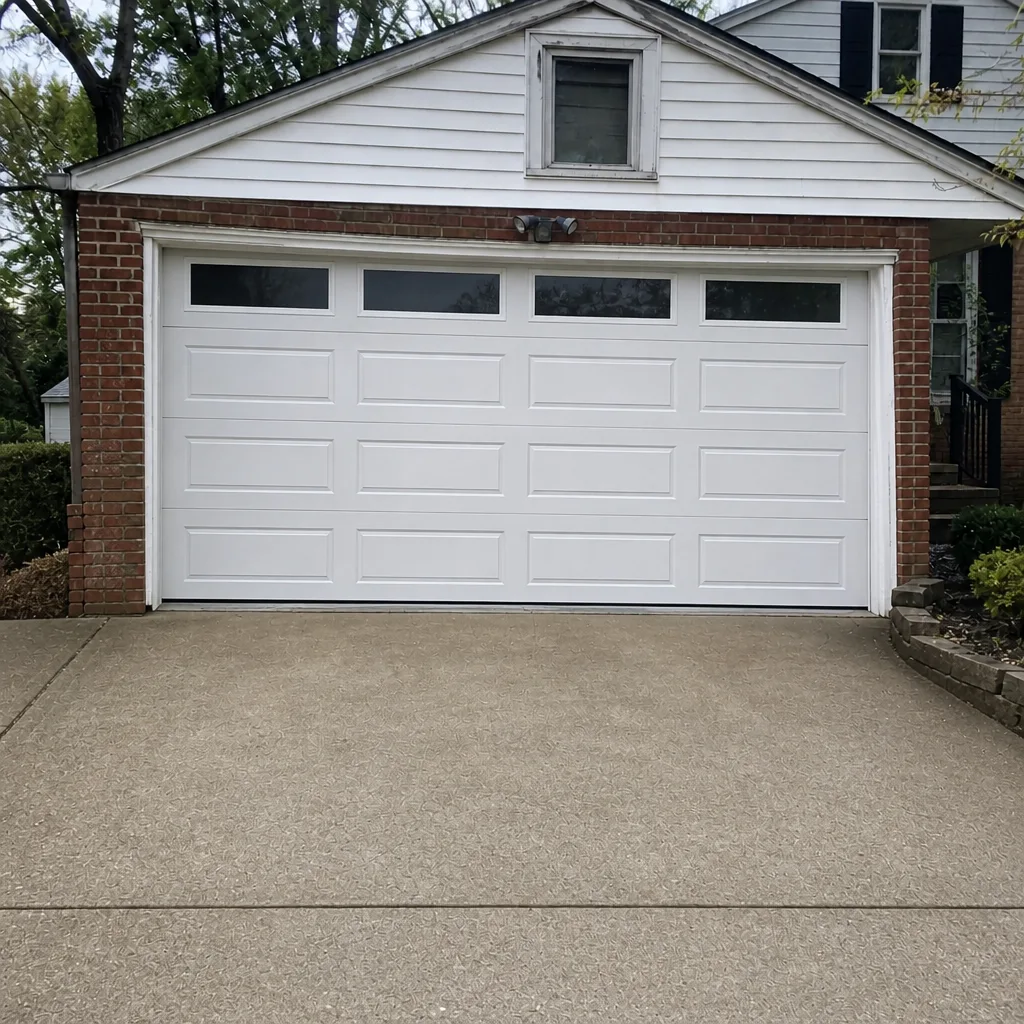 After
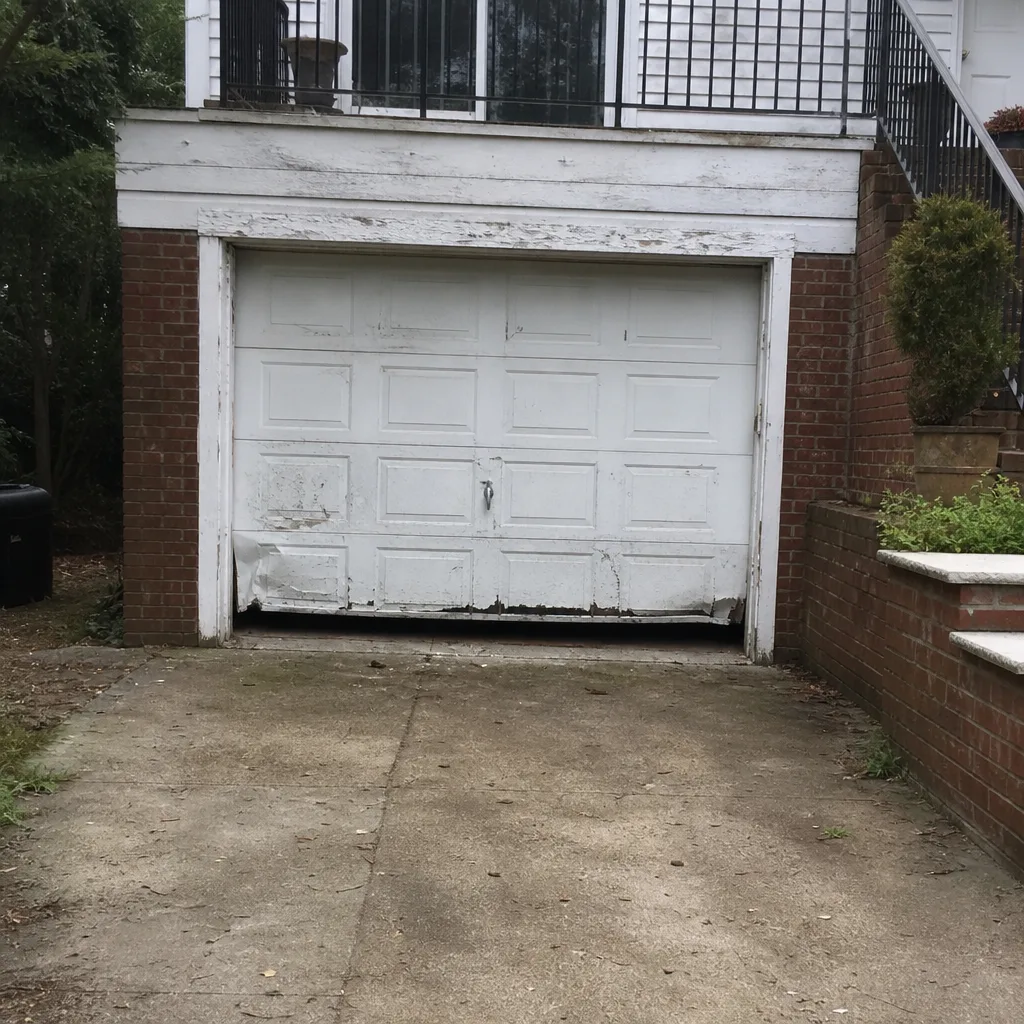 Before
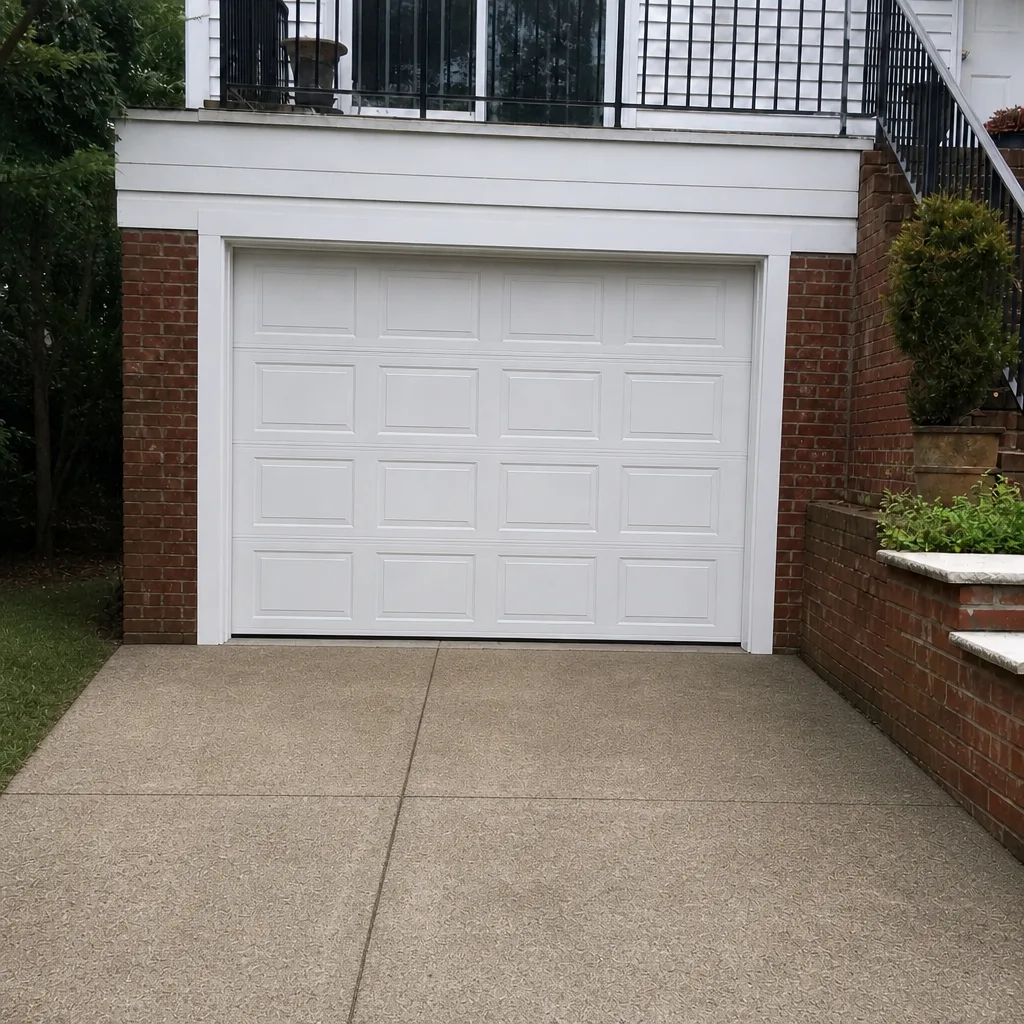 After
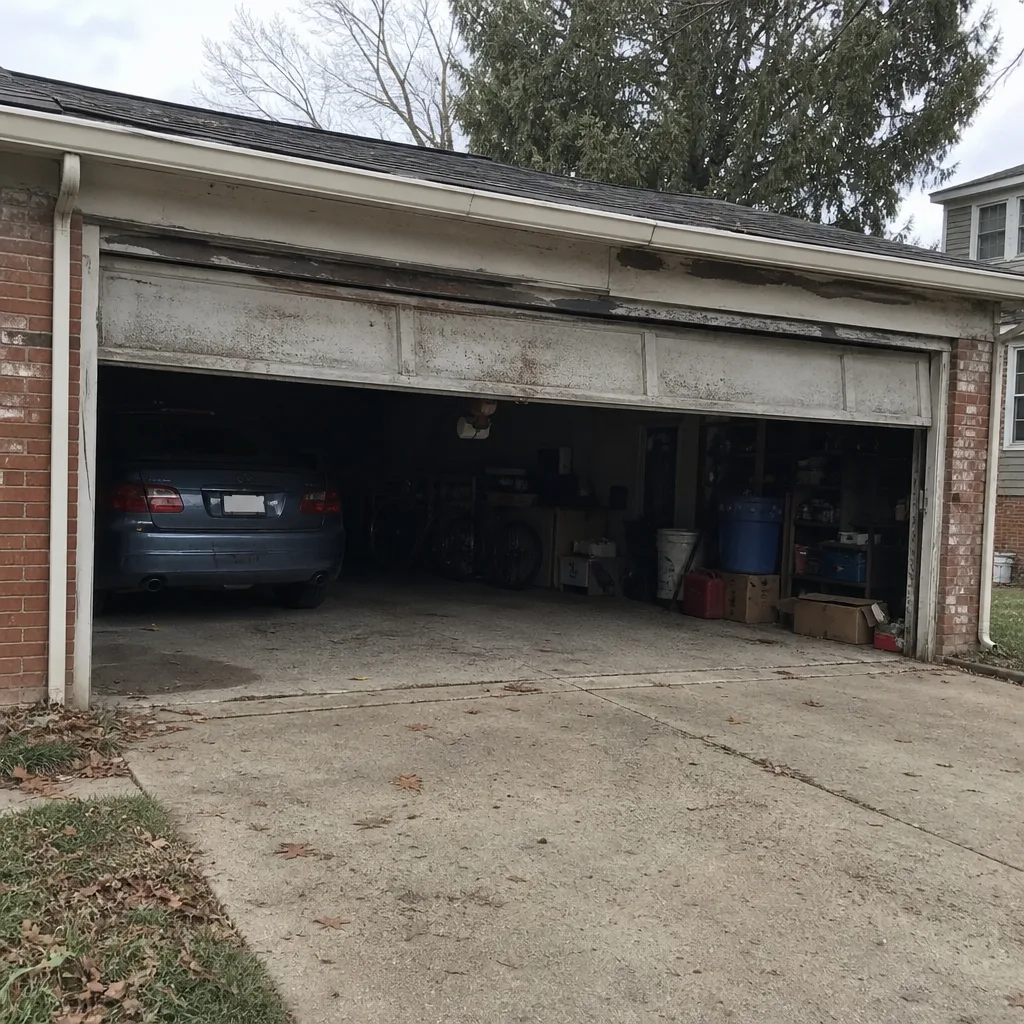 Before
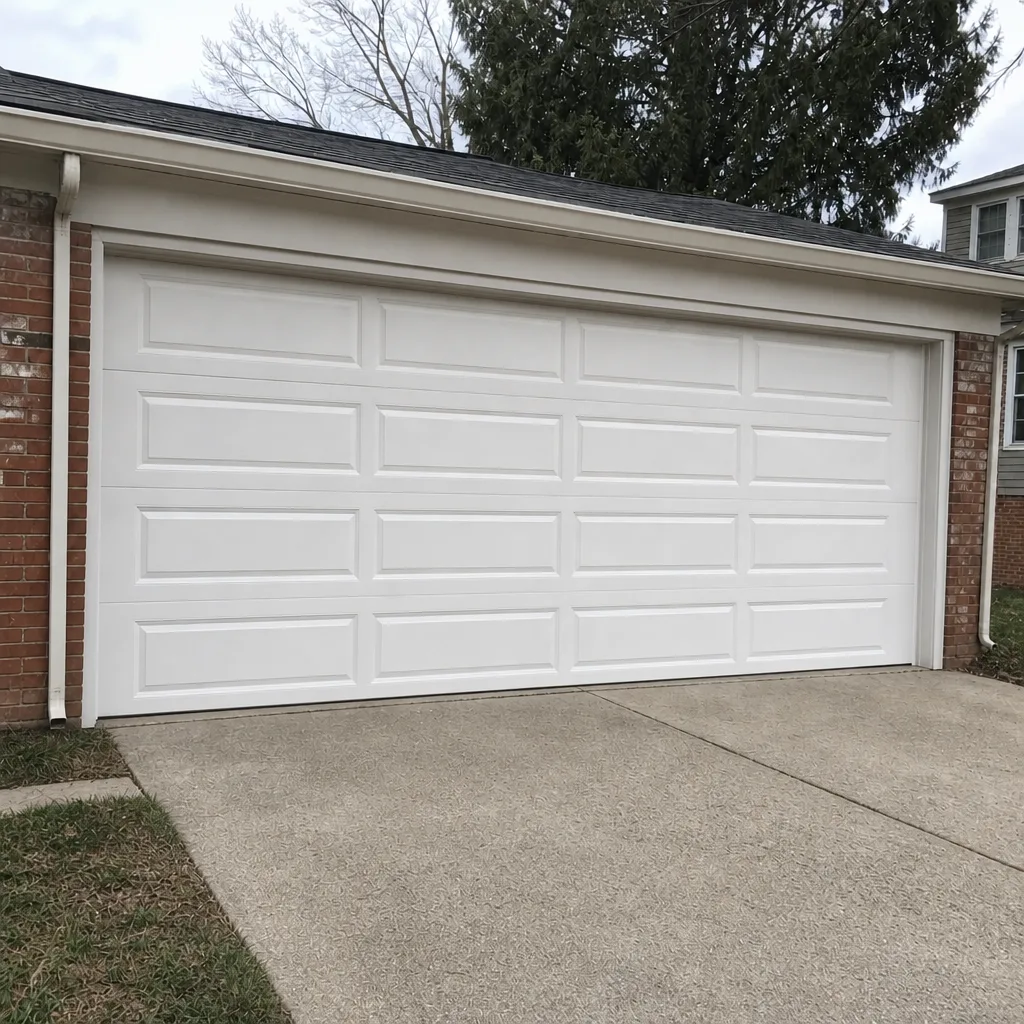 After
When to Call a Professional
Some garage door issues can wait for a scheduled estimate. A worn roller, a noisy opener, a single non-critical panel ding – those are scheduled jobs. Others can’t. Call us if any of the following is true: your spring is broken and the door is stuck down; the door is stuck up with a broken cable (locking the car in or out); the door is off its track; the opener has stopped operating and the door is your locks-and-lights element on an unsecured garage; or you’ve already started a repair and stopped. A broken spring also isn’t a job for a general handyman. Springs are the highest-tension component of any door and need the right tools and training. Garage Door Repair Capitol Hill provides free estimates in Capitol Hill – call (855) 604-5978 – and emergency same-day service is available for doors that are stuck, off-track, or unsafe to operate.
Frequently Asked Questions
A single torsion spring typically costs $180 to $340 installed in Capitol Hill, and a matched pair usually runs $360 to $680. The pair matters because most double-car doors use two matched springs, and when one fails, the other is usually close behind. Call (855) 604-5978 for an exact quote – estimates are free.
Yes – same-day emergency service is available in Capitol Hill for stuck, off-track, or unsafe doors during our service hours of 7am to 7pm. A compromised door is a security issue as much as a convenience issue, so we prioritize these. Call (855) 604-5978 and we’ll book you in.
No, the price is quoted and agreed before any work starts, and any additions discovered mid-repair are approved with you before we continue. A written estimate is the price. Call (855) 604-5978 to schedule a free estimate.
The local vetted professionals we connect you with are licensed and insured as their state requires, and our technicians have up to 8 years of experience. If you want to see licensing or insurance documents before work starts, ask – a licensed technician will provide them without hesitation. Call (855) 604-5978 to arrange your estimate.
Yes – we work on the most widely-owned brands in Capitol Hill homes, including LiftMaster, Chamberlain, Genie, Clopay, Amarr, Wayne Dalton, Craftsman, and Raynor. That means we diagnose by brand-specific logic, so you’re not bounced to a manufacturer or told the technician doesn’t cover your system. Call (855) 604-5978 with your model number and we’ll confirm before we schedule.
Yes, typically 15-30% more than a standard replacement once material sourcing, design review submission, and longer install windows are all factored in. A custom historic-profile door requires a longer lead time and sometimes two visits for trim and painting coordination. Confirm the review process with the city’s historic preservation office before you order. Call (855) 604-5978 for a free measure and a written price.
No. A spring is stored under hundreds of pounds of tension, and a cable or spring that slips during an attempt can cause serious injury. Remediation on a botched job also typically costs more than the original professional repair would have. Call (855) 604-5978 and we’ll handle it safely.
Standard full-door replacement in Capitol Hill typically runs $1,300 to $2,800, and historic district consideration can push it into the $1,600 to $3,600 range. The written estimate sets the final price. Call (855) 604-5978 for a free on-site measure and a written quote.
The Bottom Line
Garage door costs in Capitol Hill aren’t national averages with a DC surcharge. They’re built from real line items – spring count, cable inclusion, opener brand compatibility, haul-away, historic district review – and the cheapest total is rarely the cheapest job. Read every estimate line by line. Ask the five-line check questions. Don’t force a broken door. Don’t touch a spring. If you’re on a Capitol Hill block and your door needs help, our crew can walk you through a written estimate and tell you plainly what’s in it. Garage Door Repair Capitol Hill is built around the highest-risk repair in this trade – spring work – and the full-system coverage that follows it. If you want to know what your door will cost before you commit, call (855) 604-5978 for a free estimate. It’s free, and the price is agreed before anyone picks up a tool.
Written by the team at Garage Door Repair Capitol Hill.